Most people do not suddenly wake up one day unable to walk confidently.
Instead, subtle physical changes often develop gradually over time.
A slightly shorter stride.
Less arm swing.
More stiffness getting upright.
Feeling less steady on uneven ground.
Avoiding longer walks.
Needing to “warm up” before moving comfortably.
At first, these changes seem small and easy to ignore.
Many adults assume:
- “I’m just getting older.”
- “I’m slowing down a little.”
- “My balance isn’t what it used to be.”
- “I’m just stiff.”
But often, these changes are connected to something much deeper:
the way the body is adapting to posture, movement, strength, and mobility changes over time.
At Vitality At Home Physical Therapy in Grand Rapids, we frequently work with adults who are still active and independent but notice walking feels different than it used to.
Not necessarily painful.
Just harder.
The good news is that many of these changes are highly modifiable once identified early.
Because walking is not just about the legs.
It is a full-body coordination task involving posture, mobility, strength, balance, vision, breathing, and nervous system efficiency.
And when posture begins changing beneath the surface, walking efficiency often changes with it.
Walking Is One of the Best Indicators of Overall Health
Walking reveals a tremendous amount about how the body is functioning.
In fact, healthcare providers often refer to walking speed and gait quality as “vital signs” of aging because they correlate strongly with:
- Balance
- Strength
- Mobility
- Endurance
- Confidence
- Fall risk
- Cognitive health
- Longevity
- Independence
The body is remarkably good at compensating.
For years, people can adapt around stiffness, weakness, or movement restrictions without realizing it.
But eventually, those compensations begin showing up in everyday movement.
Walking often becomes the place where those hidden changes become visible.
Posture Is More Than Standing Up Straight
When most people hear the word “posture,” they think about sitting taller or pulling their shoulders back.
But posture is much more dynamic than that.
Posture is really your body’s ability to organize itself efficiently against gravity while moving.
Healthy posture allows the body to:
- Rotate naturally
- Absorb force efficiently
- Maintain balance
- Shift weight confidently
- React to uneven surfaces
- Walk with energy conservation
When posture becomes more rigid, compressed, or imbalanced, walking often becomes less efficient.
That inefficiency may initially feel like:
- Fatigue
- Stiffness
- Slower walking
- Reduced endurance
- Feeling “off balance”
- Fear of falling
- Difficulty changing directions
- Hesitation on stairs
- Trouble walking in busy environments
These changes rarely happen overnight.
They develop gradually through years of altered movement habits and reduced movement variability.
1. Forward Head Position Slowly Changes Balance
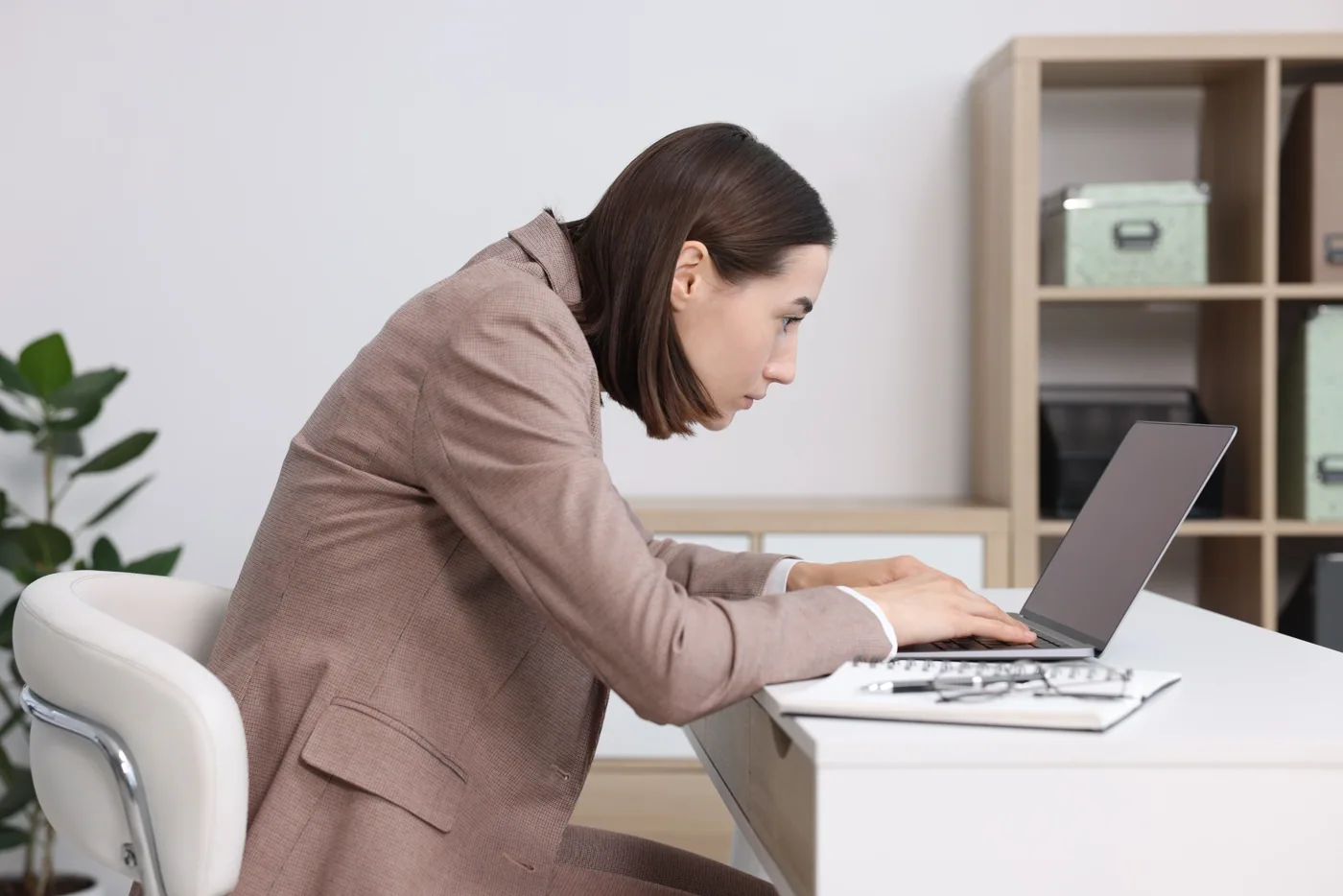
One of the most common posture changes we see is gradual forward head positioning.
This happens when the head slowly drifts forward relative to the rib cage and pelvis.
It may not seem significant at first, but this changes the entire body’s center of gravity.
As the head shifts forward:
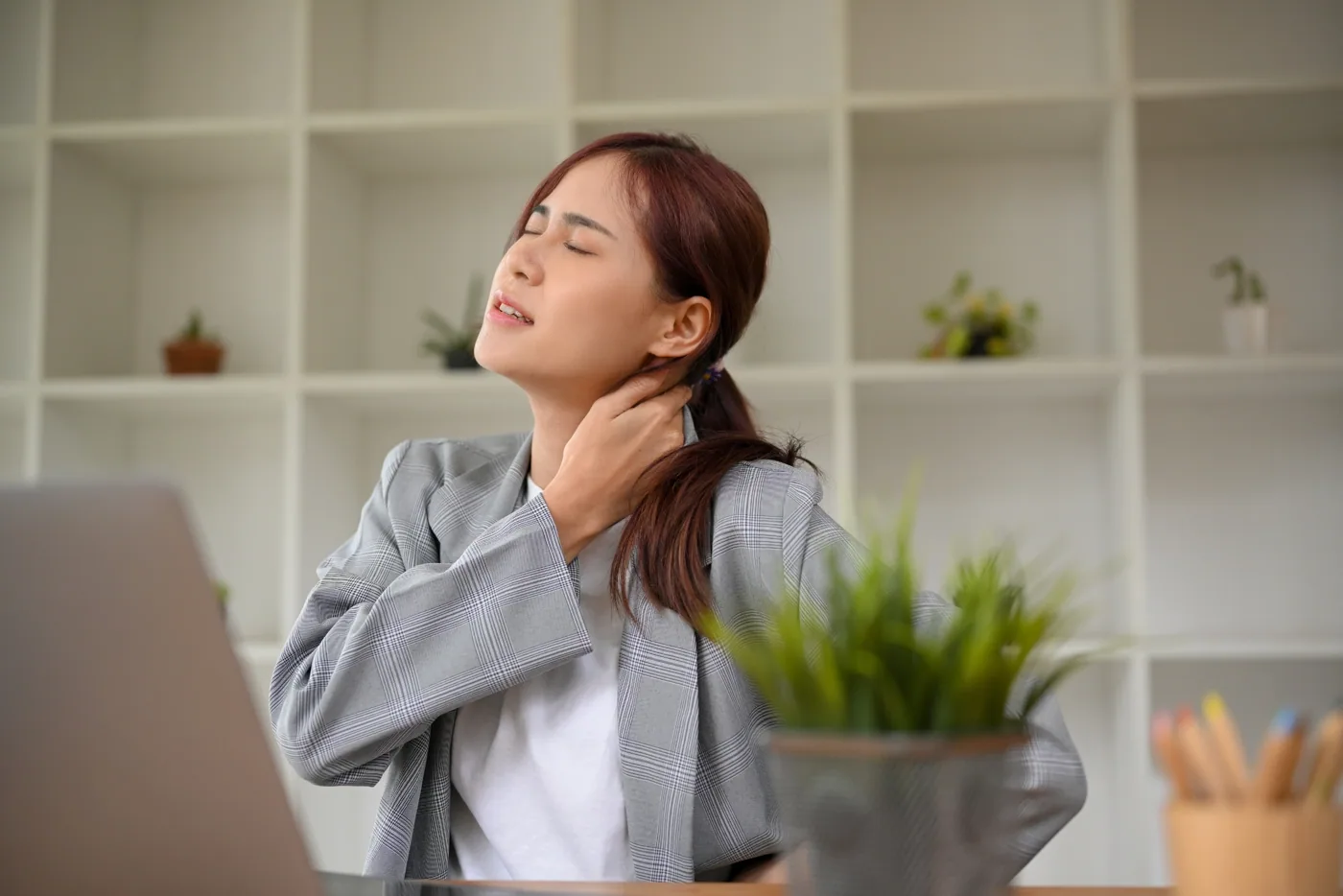
- Neck muscles work harder
- Thoracic mobility decreases
- Balance reactions become less efficient
- Vision alignment changes
- Walking mechanics adapt
The body then starts making compensations to avoid falling forward.
This may contribute to:
- Shortened stride length
- Reduced arm swing
- Increased trunk stiffness
- Shuffling gait patterns
- Feeling less stable
Many people simply describe this as:
“I don’t feel as steady as I used to.”
The issue is rarely just the neck itself.
It is the chain reaction that posture creates throughout the body.
2. Loss of Hip Extension Quietly Reduces Walking Efficiency
Most adults do not realize how important hip extension is for walking.
Hip extension occurs when the leg moves behind the body during gait.
When this motion becomes limited — often from prolonged sitting, stiffness, or reduced activity — walking mechanics begin changing dramatically.
The body may compensate by:
- Shortening stride length
- Rotating through the low back excessively
- Leaning forward
- Taking smaller steps
- Walking slower
- Fatiguing more quickly
Over time, reduced hip extension often contributes to:
- Low back tightness
- Hip discomfort
- Reduced walking endurance
- Poor push-off strength
- Difficulty walking uphill
- Trouble with stairs
This change frequently develops so gradually that people simply assume they are “slowing down.”
In reality, the body is adapting around lost mobility.
3. Thoracic Stiffness Changes the Way the Entire Body Moves
The thoracic spine — the upper and mid back — plays a huge role in walking.
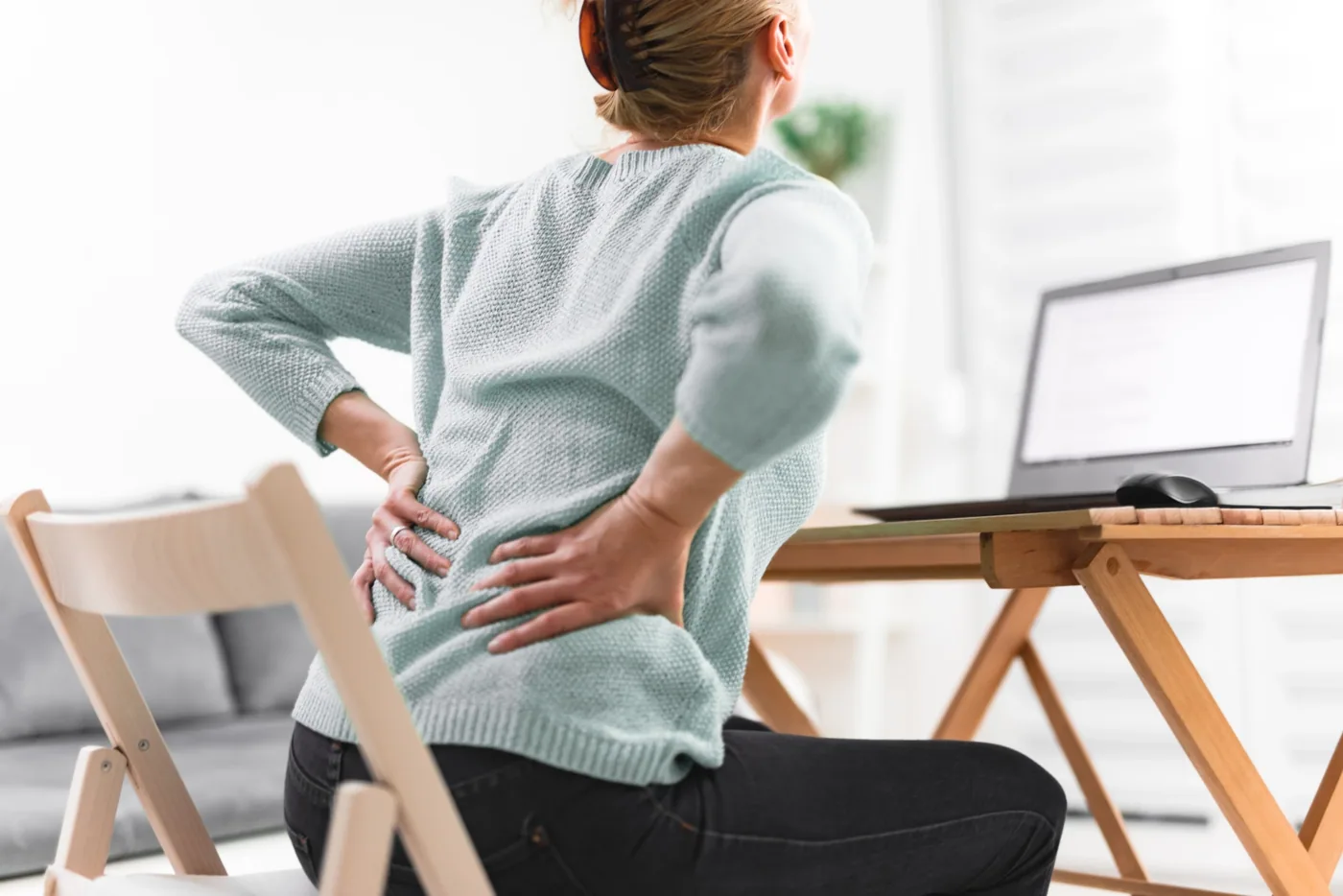
Unfortunately, this area commonly becomes stiff with age, especially in people who spend large amounts of time:
- Sitting
- Driving
- Looking at screens
- Leaning forward
- Avoiding rotation
When thoracic mobility decreases:
- Arm swing decreases
- Trunk rotation decreases
- Breathing mechanics worsen
- Balance reactions slow down
- Walking becomes more rigid
The body starts moving “as one piece” instead of rotating naturally.
This often creates a gait pattern that looks cautious, guarded, or stiff.
Ironically, many adults then become even less active because movement feels harder and less comfortable.
That reduced activity accelerates the cycle further.
4. Reduced Arm Swing Is More Important Than Most People Realize
Many people think arm swing is irrelevant to walking.
It is not.
Arm swing helps:
- Counterbalance the body
- Improve rotational efficiency
- Reduce energy expenditure
- Assist balance reactions
- Improve walking rhythm
When posture stiffens and trunk rotation decreases, arm swing often decreases too.
Sometimes this happens because:
- The thoracic spine is stiff
- The shoulders are tight
- The body is guarded
- Balance confidence is reduced
- The nervous system becomes more protective
Over time, walking may become:
- More robotic
- Less fluid
- More fatiguing
- Less stable
This is one reason physical therapy often addresses far more than just the legs when working on walking performance.
5. Fear-Based Movement Patterns Quietly Change Gait
This may be the most overlooked posture change of all.
As people experience stiffness, pain, imbalance, or near-falls, the nervous system often becomes more protective.
Without realizing it, people may begin:
- Walking slower
- Looking down constantly
- Holding their breath
- Keeping muscles tense
- Avoiding turning quickly
- Taking shorter steps
- Walking with less confidence
The body starts prioritizing safety over efficiency.
While this is understandable, prolonged guarded movement often creates:
- More stiffness
- Reduced mobility
- Decreased balance reactions
- Increased fatigue
- Higher fall risk over time
In other words, fear-based movement patterns can unintentionally reinforce the very issues people are trying to avoid.
Why These Changes Matter
Walking changes are not just about mobility.
They affect nearly every aspect of life.
When walking becomes harder, people often begin limiting:
- Exercise
- Social activities
- Travel
- Community engagement
- Shopping
- Recreation
- Outdoor activities
- Confidence in public spaces
Over time, this reduction in movement can accelerate physical decline, isolation, and loss of independence.
This is why early intervention matters so much.
Small walking changes are often early warning signs that the body is becoming less adaptable.
The earlier these patterns are addressed, the easier they usually are to improve.
The Goal Is Not Perfect Posture
This is important.
The goal is not standing rigidly straight all day.
The goal is movement adaptability.
Healthy bodies:
- Rotate naturally
- Shift weight efficiently
- Move fluidly
- Recover balance quickly
- Change positions often
- Walk with confidence
Posture should support movement — not restrict it.
Unfortunately, many adults unknowingly become more rigid over time due to stress, pain, fear, inactivity, or repetitive daily habits.
The body slowly loses movement options.
Physical therapy helps restore them.
What Physical Therapy Looks At
At Vitality At Home, we evaluate much more than isolated pain.
Assessment often includes:
- Walking mechanics
- Balance reactions
- Postural alignment
- Thoracic mobility
- Hip mobility
- Strength symmetry
- Core coordination
- Breathing mechanics
- Rotational movement
- Transitional mobility
- Confidence with movement
Many adults are surprised to discover that their walking difficulties are not simply caused by “weak legs.”
Often, the issue is how the entire movement system is functioning together.
Small Changes Can Create Significant Improvement
The body is remarkably adaptable.
When movement improves, people often notice:
- Easier walking
- Better endurance
- Improved confidence
- Reduced stiffness
- Better balance
- Less fatigue
- Greater mobility
- More freedom with activity
Improvement does not always require aggressive treatment.
Often, it involves helping the body move more efficiently again.
You Are Not Meant to Shrink Your Life
One of the saddest things we see is adults slowly reducing activities they love because walking has become harder.
They stop traveling.
They avoid uneven ground.
They walk less.
They become hesitant.
They lose confidence.
But many of these changes are not inevitable.
The body responds incredibly well to strategic movement, strength training, mobility work, balance training, and improved movement coordination — even later in life.
The goal is not simply preventing falls.
The goal is preserving freedom.
Looking for Help With Balance, Walking, or Posture Changes in Grand Rapids?
At Vitality At Home Physical Therapy, we help active adults throughout the Grand Rapids area improve balance, walking confidence, posture, mobility, and strength so they can continue doing the things they love.
Our approach focuses on helping the body move more efficiently as a whole — not simply treating isolated symptoms.
Because living your best life never gets old.
Call us today at 616-414-2271 to schedule an evaluation and learn how physical therapy can help you move with greater confidence and independence.