Elbow, Wrist & Hand Pain Treatment in Grand Rapids
When your hands ache opening a jar or your grip gives out on a mug, the ordinary tasks of the day turn into a struggle. In-home therapy meets you right where you actually use your hands.
What causes elbow, wrist, and hand pain?
The elbow, wrist, and hand work as one delicate chain of small joints, tendons, and nerves that you rely on for almost everything: dressing, cooking, holding a cup, steadying yourself on a rail. When arthritis, nerve pressure, or years of daily use catch up with them, simple tasks start to hurt. The reassuring part is that these problems respond well to therapy that treats both the tissue and the way you use your hands each day.
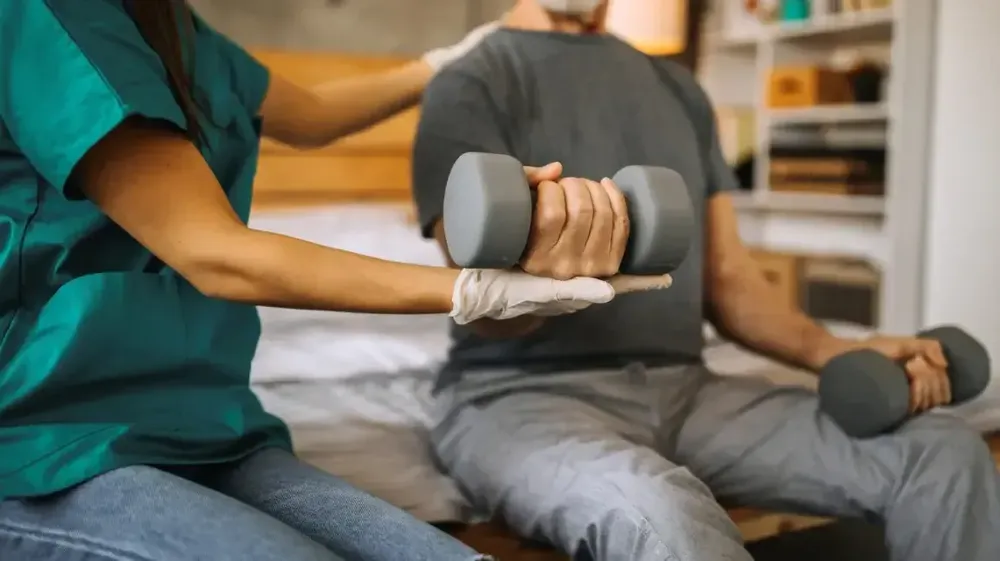
Osteoarthritis wears down the smooth cartilage in the small joints of the thumb, fingers, and wrist, and the base of the thumb is one of the most common spots. The joints ache, swell, and stiffen, and because painful joints get used less, they grow stiffer still. Gentle movement, joint protection, and careful strengthening keep these small joints working so you can grip, pinch, and hold without dread.
The median nerve passes through a narrow tunnel at the wrist. When that tunnel tightens from swelling, arthritis, or repetitive motion, the nerve gets pinched. You feel numbness, tingling, and weakness, often waking you at night or making you drop things. Therapy works to calm the inflammation, restore wrist mobility, and change the daily positions and tasks that keep compressing the nerve.
The tendons on the inside and outside of the elbow can become overloaded by the ordinary tasks you repeat every day: gardening, carrying groceries, wiping counters, lifting a grandchild. Over time that repeated strain irritates the tendon where it anchors to the bone, leaving the elbow sore and tender to the touch. Treatment calms the irritated tendon and retrains the movement so the load stops piling onto one spot.
As we age, the muscles of the hand and forearm can weaken and fine coordination fades. Suddenly a jar lid will not budge, buttons take three tries, and a full mug feels heavy or unsteady. Weak grip also makes a cane or walker harder to hold safely. Targeted strengthening and dexterity work rebuild the power and control your hands need for everyday independence.
The ulnar nerve runs along the inside of the elbow through a shallow groove called the cubital tunnel. Leaning on the elbow or keeping it bent for long stretches can irritate that nerve, sending numbness and tingling into the ring and little fingers along with hand weakness. Therapy relieves the pressure, improves how the nerve glides, and adjusts the positions that keep aggravating it.
After a wrist fracture or sprain, the joint is often stiff, swollen, and weaker than before, especially once a cast or brace comes off. Scar tissue and guarded movement limit how far the wrist will bend and turn. Structured mobility and strengthening restore that lost range and rebuild confidence so the wrist feels like your own again.
How physical therapy in Grand Rapids helps.
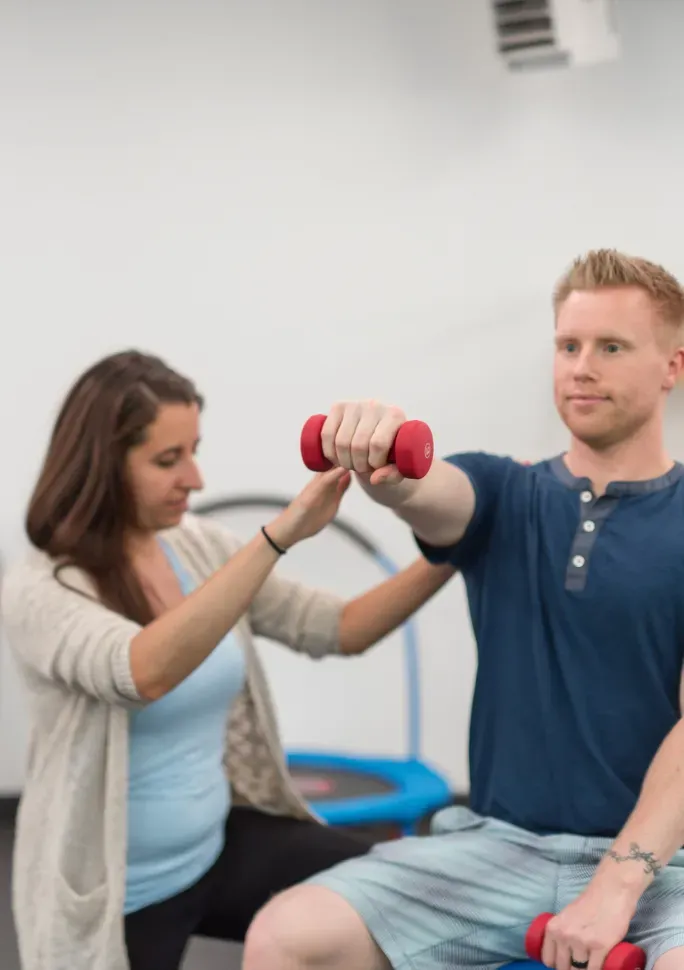
Elbow, wrist, and hand pain eases when we treat both the irritated tissue and the way you use your hands all day. Because we come to you, we see exactly where the trouble happens: the jar lids in your kitchen, the doorknobs and faucets you turn, the buttons and zippers you fight with each morning. Early sessions calm inflammation and restore gentle motion, and hands-on manual therapy loosens the tight tendons and muscles pulling on the sore area. As pain settles, we add strengthening to rebuild grip and dexterity, then retrain the daily movements so the problem does not creep back. You do not need a referral to begin, Michigan is a direct-access state, and we help you understand your coverage before we start. The goal is simple: hands that let you cook, dress, and hold what matters without pain.
What to expect from your recovery.
Assessment in your home
We start where you live and move. We look at your hands, wrist, and elbow, test your grip and motion, and watch how you manage real tasks like opening a jar or turning a key. You finish the first visit understanding what is causing the pain and the plan to fix it.
Hands-on care and gentle motion
Using manual therapy and gentle, guided movement, we calm the irritated tissue and ease the stiffness in the small joints. Each visit is a full, one-on-one hour with your therapist, building steadily on the last.
Strength, dexterity, and lasting independence
As pain fades, we rebuild grip and fine control so buttons, mugs, and jar lids stop being a battle. We adapt your everyday tasks and give you simple ways to protect these joints so the results last.
The small, everyday tasks, buttons, mugs, jar lids, are exactly what we rebuild. Restoring grip and fine control is what gives people their independence back.
Pain rarely travels alone.

Shoulder Pain
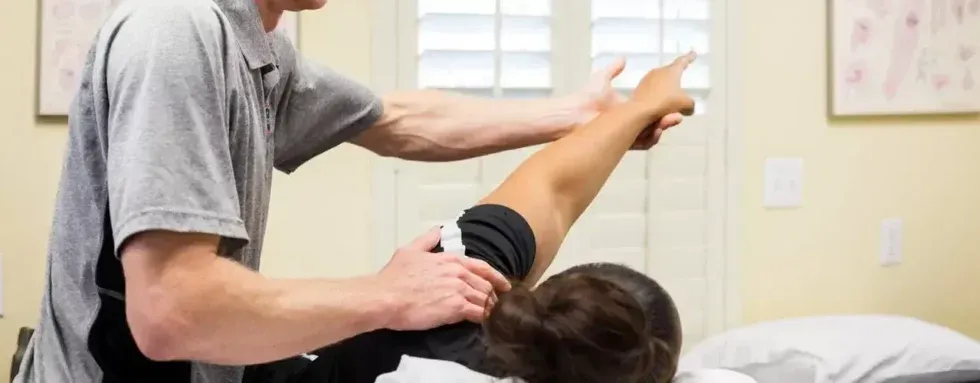
Shoulder dysfunction often contributes to elbow, wrist, and hand pain. We treat the whole chain.

Joint Pain
Stiff or painful joints in the wrist and hand limit grip and mobility. We restore mechanics and strength.
Arthritis
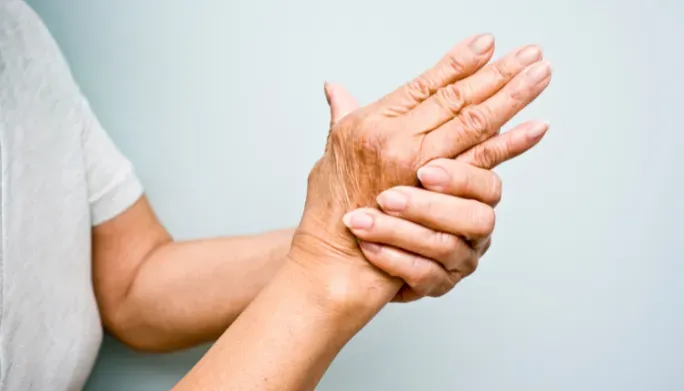
Arthritis in the hands and wrists brings pain, swelling, and stiffness to the small joints. We keep them moving and strong.