


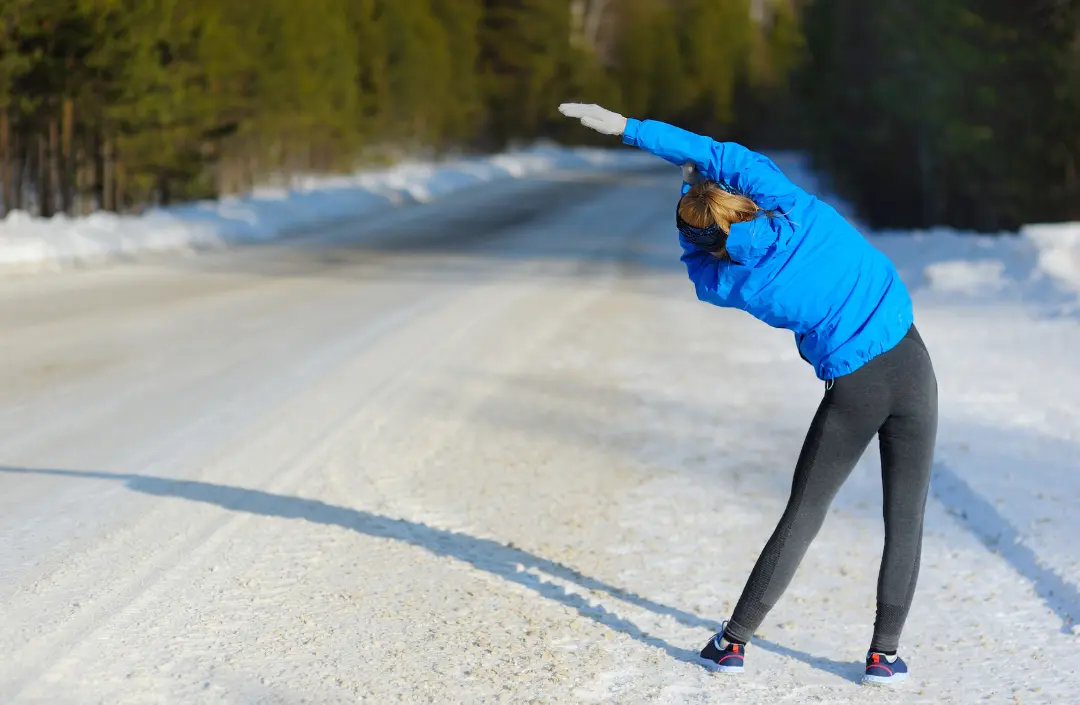
Winter in West Michigan has a way of quietly shrinking routines.
Morning walks get shorter. Errands feel harder. By late afternoon, it’s already dark—and icy sidewalks don’t exactly invite movement. Many people don’t decide to move less in winter. It just… happens.
The problem is that reduced movement often leads to more stiffness, more pain, and less confidence—making it even harder to start again when spring arrives.
The goal during winter isn’t to push through discomfort or force yourself into a routine that doesn’t fit the season. It’s to adapt movement so it works with winter, not against it.
Why Winter Makes Movement Feel So Much Harder
Winter challenges movement in ways that go beyond motivation.Cold Changes How the Body Feels
Cold temperatures can make muscles feel tighter and joints less flexible, especially after sitting or sleeping. This stiffness can make movement feel more effortful, even if nothing is “wrong.”Ice and Snow Increase Mental Load
Walking on icy surfaces requires more attention. Your brain is constantly scanning for hazards, which can feel exhausting. Over time, this can lead to avoidance—not laziness, but self-protection.Darkness Affects Energy and Confidence
Shorter days reduce visibility and energy levels. Many people notice they feel less steady when walking in low light, especially on uneven ground.Activity Naturally Drops
When outdoor options disappear, movement often becomes unstructured. Strength and balance decline quietly, which increases injury and fall risk over time. This is why winter movement needs to be intentional but flexible.Why “Just Rest Until Spring” Often Backfires
It’s tempting to treat winter as a pause button. But extended inactivity has real consequences:- Loss of leg and hip strength
- Decreased balance reactions
- Increased joint stiffness
- Reduced confidence with walking and daily tasks
Redefining What “Staying Active” Means in Winter
Winter movement doesn’t have to look like summer movement.Movement Counts—Even in Small Doses
Ten minutes of focused movement, done consistently, is far more effective than waiting for perfect conditions. Examples include:- Gentle strength work in the living room
- Balance practice near a counter
- Walking laps inside the house
- Stretching and mobility work during TV breaks
Indoor Movement Strategies That Actually Work
1. Create Predictable Movement Habits
Winter thrives on routine. Choose specific times—after breakfast, mid-afternoon, or before dinner—so movement doesn’t rely on motivation alone.2. Focus on Strength That Supports Daily Life
Leg and hip strength support:- Getting up from chairs
- Walking safely
- Recovering from slips
3. Balance Practice Without Risk
Balance training doesn’t mean standing on one foot in the middle of the room. It means practicing near stable support, gradually challenging the body in safe ways. Physical therapy often uses real-life balance scenarios, not gimmicks.When You Do Go Outside: Move Smarter, Not Faster
Winter doesn’t mean staying indoors all season. It means choosing outdoor movement wisely.Choose Timing Carefully
Midday light is often safer than early morning or evening. Visibility matters more than temperature.Slow Down on Purpose
Shorter steps, wider stance, and slower pace improve stability on icy surfaces.Footwear Matters (More Than You Think)
Shoes and boots should have:- Good tread
- Firm heel support
- Minimal slippage inside the shoe
Warm-Up Is Not Optional in Winter
Cold muscles need more preparation. Before heading outside or starting activity:- Gently move joints through their range
- March in place
- Perform light movements to increase circulation
The Role of Confidence in Winter Movement
Fear of slipping is reasonable—but it can quietly increase fall risk. When people feel unsure, they often:- Walk stiffly
- Limit arm movement
- Take hesitant steps
How Physical Therapy Supports Winter Mobility
Physical therapy helps bridge the gap between safety and staying active. Instead of generic exercise plans, PT focuses on:- Strength that supports real-world movement
- Balance reactions in multiple directions
- Gait mechanics on variable surfaces
- Strategies for low-light and uneven environments
Signs You May Need Extra Support This Winter
Consider seeking guidance if you’ve noticed:- Increased stiffness or pain with less activity
- Hesitation or fear when walking outside
- A recent slip or near-fall
- Fatigue that limits movement
- Reduced confidence leaving the house
Winter Movement Is About Momentum, Not Perfection
Some days will feel easier than others. That’s normal. The goal isn’t to win winter—it’s to move through it with confidence. A little movement, done consistently, protects:- Strength
- Balance
- Independence
- Confidence
Final Thoughts
Cold, icy, and dark conditions make movement more challenging—but not impossible. With thoughtful adaptations, supportive strategies, and attention to physical readiness, winter doesn’t have to mean stiffness, fear, or loss of independence. Movement doesn’t stop because of winter. It just needs to change.Ready to Stay Confident and Active This Winter?
If winter has made movement feel harder—or if you’re noticing stiffness, balance changes, or hesitation getting out and about—support can make a meaningful difference. A personalized physical therapy assessment can help:- Identify winter-specific fall risks
- Improve strength and balance safely
- Build confidence moving in real-world conditions
- Keep you active without unnecessary risk