Physical Therapy in Grand Rapids.
You want to stay strong, steady, and independent in your own home. When pain, a recent fall, surgery, or a condition like Parkinson's gets in the way, we bring the therapy to you. One licensed therapist, one on one, every visit. No clinic, no waiting room, no referral needed.

Top rated in-home therapists in Grand Rapids. Zero waiting rooms.
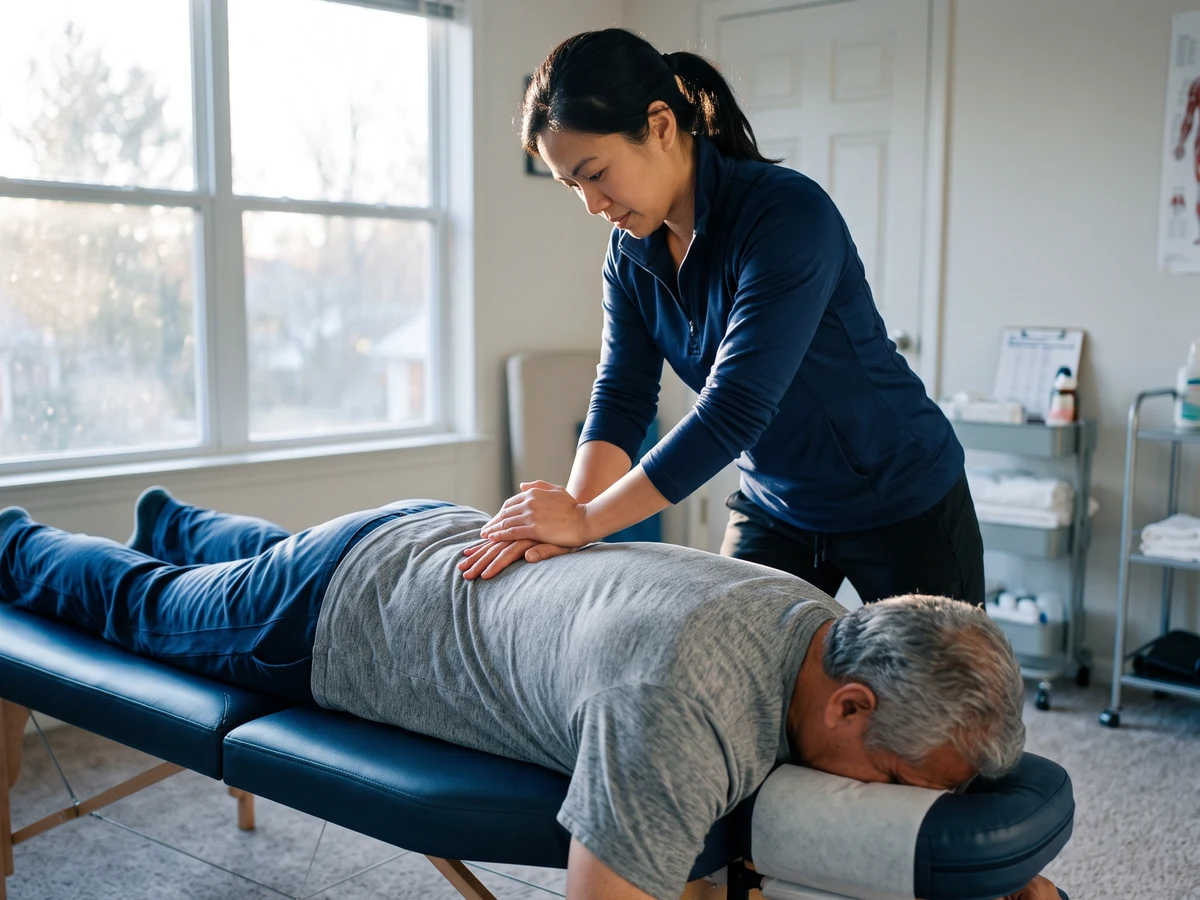
Most clinics see three or four patients at once, hand you to an aide, and send you home with the same printout as everyone else. That is scheduling, not care. At Vitality At Home, your therapist comes to you. Every session is one on one, in your own home, from the first evaluation to the day you graduate.
Real outcomes.
Real people.
These are unfiltered Google reviews from patients and families across Grand Rapids who invited us into their homes when getting to a clinic felt impossible. Read what actually happened.
Treatments built around what's actually hurting.


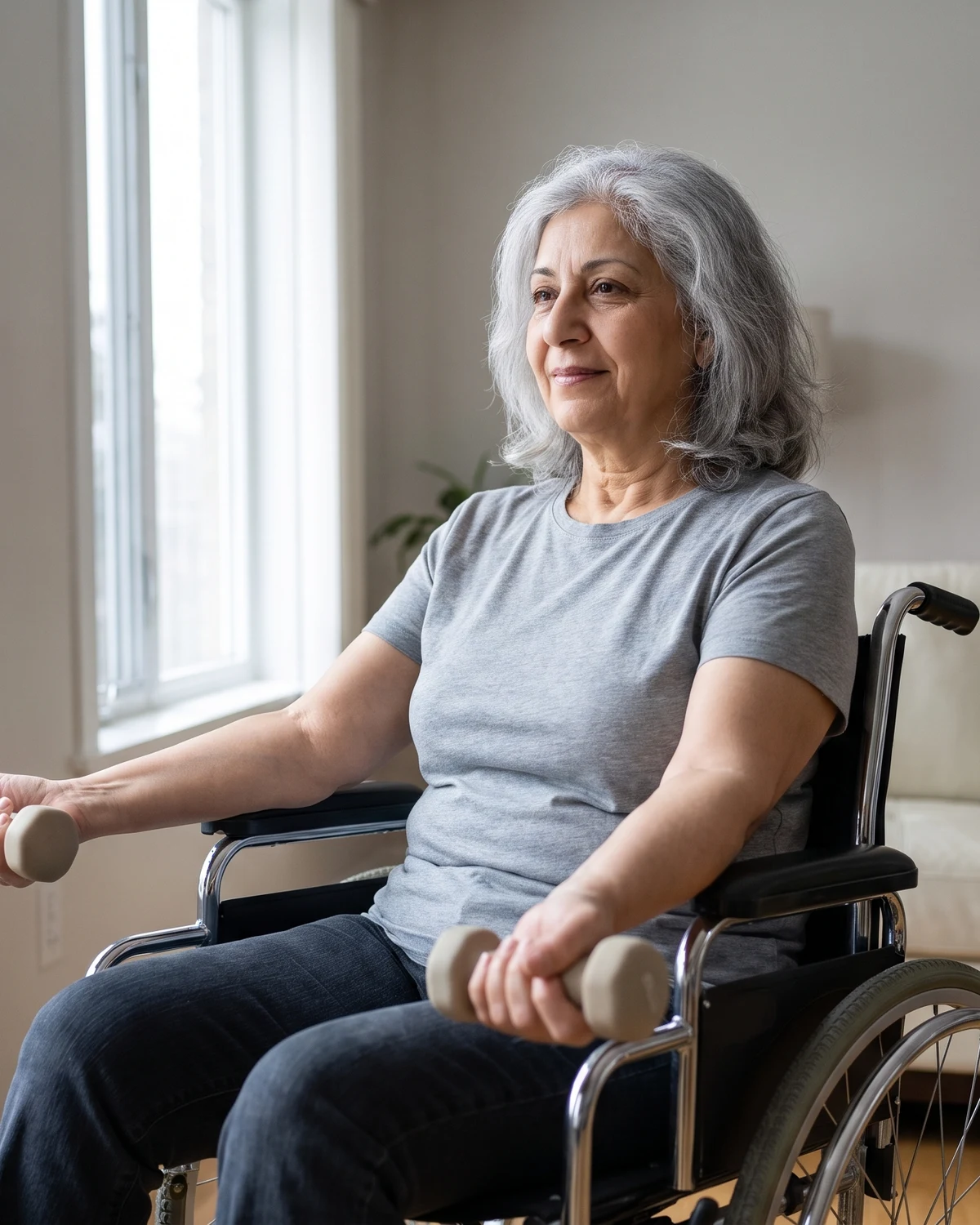
Balance & Gait
Unsteady on your feet? We rebuild the strength and confidence that keep you upright and independent.

Parkinson's
LSVT BIG certified care that keeps your movement large, strong, and functional at every stage.
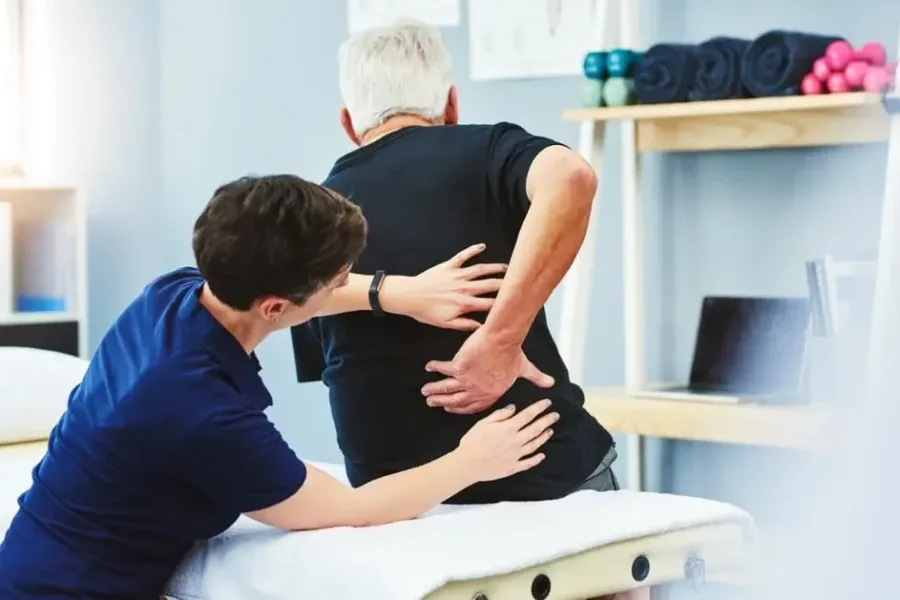
Back Pain & Sciatica
We find the cause of the pain, not just the symptom, and get you moving comfortably again.
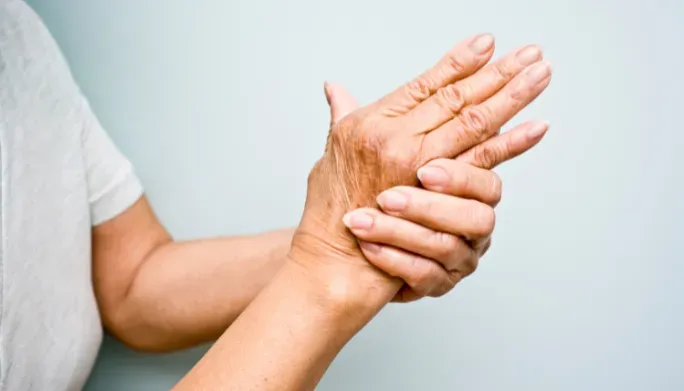
Arthritis
The right movement is the best medicine. We protect your joints and keep you doing what you love.
A clear path from your worst day to your best.
Pain
Calm it down. Hands-on care and targeted movement get the pain out of the driver's seat, quickly and safely.
Prime
Restore full range of motion and correct the movement patterns that caused the problem in the first place.
Perform
Rebuild strength and function for your sport, your job, your life. This is where you start feeling like you again.
Prevent
Leave with the tools, the education, and the home program to stay out of the clinic. The best outcome is one that lasts.
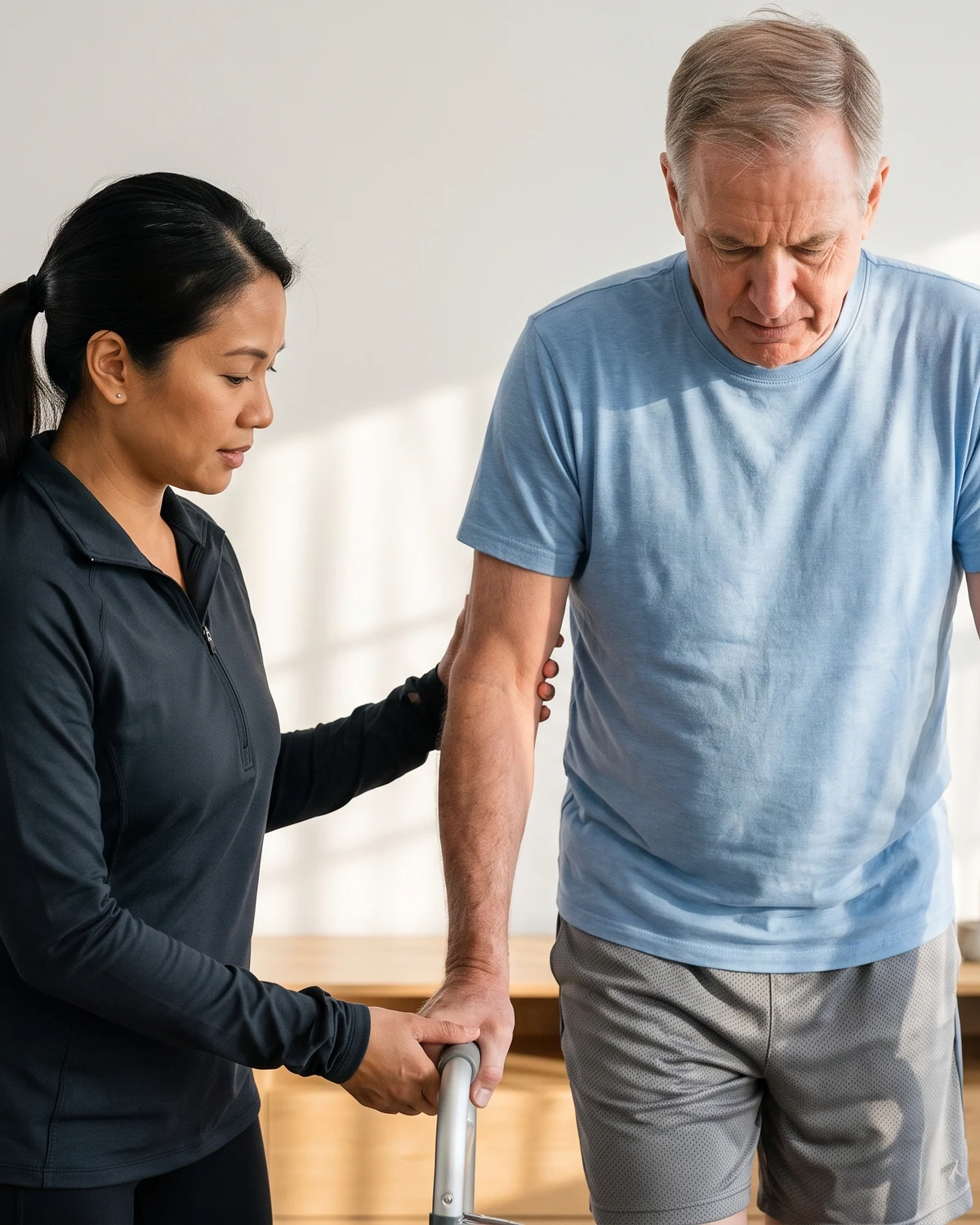
Our commitment: exceptional care, every single visit.
No handoffs. No shared attention. No wasted visits. Your therapist knows your case cold because they are the only one who touches it. Progress compounds visit to visit, and nothing gets lost in translation.
A plan with your name on it, not a printout.
Your evaluation maps how your body actually moves, where it is compensating, and why the pain keeps returning. Then we build the program around your life: the stairs you climb every day, the grandkids you want to lift, the garden you have missed.


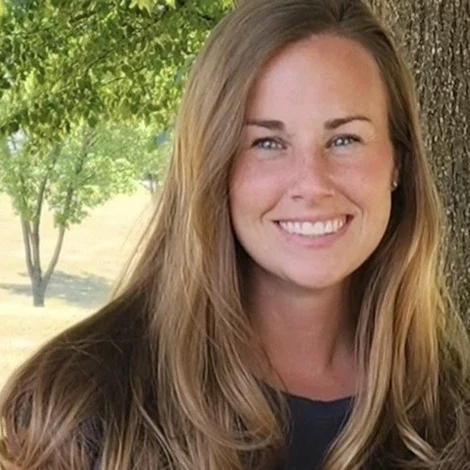
Real people. Real expertise. Same faces every visit.


Services we offer in Grand Rapids.
A comprehensive approach to relieving pain, delivered one on one by our experienced team. Tap a point on the model, or a card, and see exactly what we treat there.
Shoulder
Rotator cuff injuries, frozen shoulder, clavicle fractures, shoulder bursitis, AC joint separation
Learn More →
Back Pain & Sciatica
Sciatica, herniated discs, scoliosis, lower back pain, spinal degeneration, chronic back pain
Learn More →Hip & Knee Pain
Hip bursitis, labral tears, knee osteoarthritis, ACL and MCL injuries, runner's knee
Learn More →Patient paperwork, done before you arrive.
Download and complete your forms at home so your first visit starts with treatment, not a clipboard.
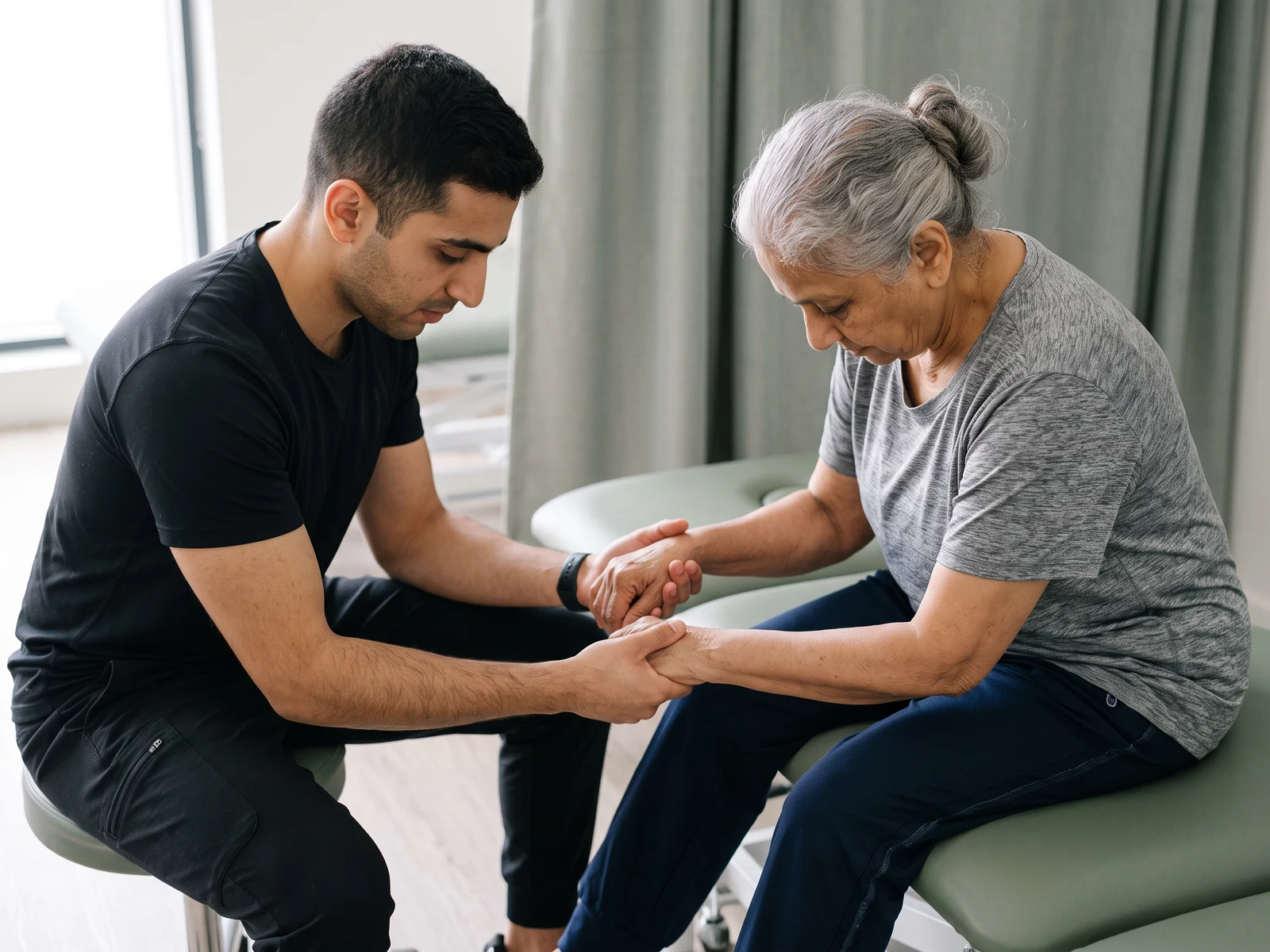
Talk to a specialist who comes to you.
Have questions about your pain, a recent fall, or a diagnosis? Talk with a licensed therapist who treats you in your own home. No referral needed, and we help you understand your coverage before anything begins.
Complete care for movement health.
Programs, not guesswork.
Every plan follows the 4-Phase framework and gets re-tested against your day-one baselines. You don't have to wonder if it's working. We show you the numbers.
Live pain-free in Grand Rapids.
Answers before you even ask.
No. Michigan is a direct access state, so you can start physical or occupational therapy without seeing a physician first. If your plan needs a referral for reimbursement, we help you sort that out. The simplest way to begin is an in-home evaluation.
Many of our patients use Medicare or other coverage, and we help you understand your benefits before we begin so there are no surprises. Simple self-pay options are available too. Call us and we will walk you through the exact costs honestly, before you commit to anything.
Most patients notice a meaningful change within the first few visits. Full timelines depend on your condition and your goals, and we give you an honest estimate at your evaluation. You will always know what we are working toward and how it is going.