


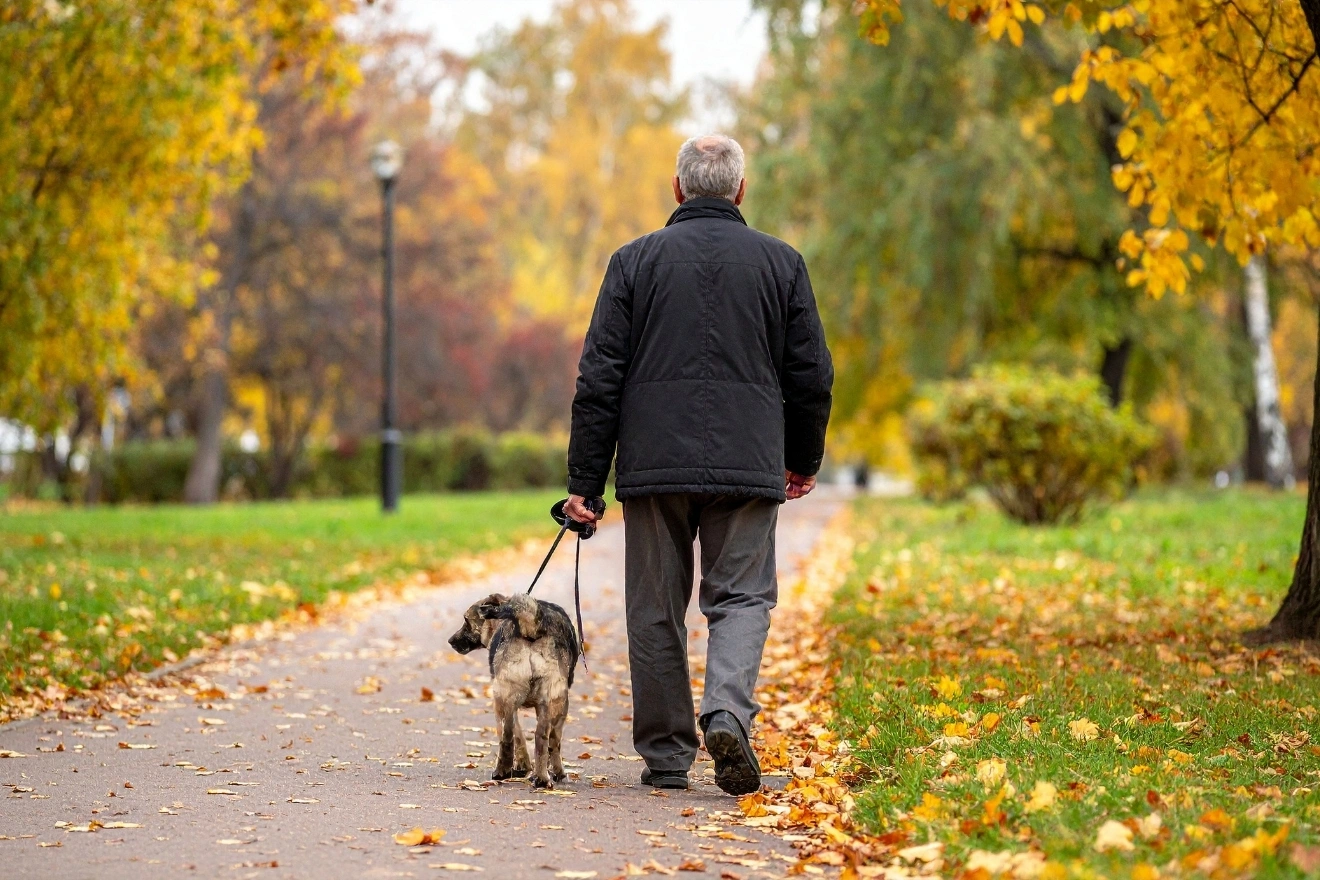
The First Walk of Spring
There is something special about that first outdoor walk after winter.
The air feels fresh.
The sun is finally warm again.
Birds are out. Neighbors are walking dogs.
After months of shorter days and cold weather, many people feel inspired to start walking again.
Walking is one of the best forms of exercise available.
It improves:
- cardiovascular health
- balance
- joint mobility
- mental well-being
But after a sedentary winter, your body may need time to readjust.
Jumping immediately into long walks can sometimes lead to:
- knee pain
- hip soreness
- foot discomfort
- back stiffness
The good news is that returning to walking safely is usually simple with the right approach.
What Happens to Walking Muscles During Winter
Even if you stayed somewhat active indoors, winter often reduces daily step counts.
Over time, several changes can occur.
Hip Muscles Become Weaker
Your glute muscles play a major role in stabilizing the pelvis during walking.
When these muscles weaken, the body may compensate by placing extra stress on:
- knees
- lower back
- hips
Ankles Become Stiffer
Cold weather and reduced outdoor walking can limit ankle mobility.
Healthy ankle movement is essential for efficient walking and balance.
Endurance Declines
Cardiovascular endurance can decrease when daily movement is reduced.
This may cause fatigue sooner during longer walks.
Common Walking Mistakes in Spring
Many people make a few simple mistakes when restarting their walking routine.
Starting Too Far
People often attempt the same distance they walked months earlier.
However, your body may not yet be ready for that level of activity.
Starting shorter allows muscles and joints to rebuild tolerance.
Ignoring Early Warning Signs
Mild discomfort or fatigue may be your body’s signal to slow down.
Pushing through pain can sometimes lead to larger problems.
Wearing Improper Footwear
Old or worn shoes may no longer provide adequate support.
Proper footwear can significantly reduce stress on joints.
A Safe Plan to Restart Walking
Returning to walking safely involves gradual progression.
Here is a simple approach many people find helpful.
Week 1: Short Walks
Start with 10–15 minute walks several days per week.
Focus on:
- comfortable pace
- upright posture
- relaxed arm swing
The goal is simply to reintroduce consistent movement.
Week 2: Build Duration
Increase walks to 15–20 minutes.
Continue monitoring how your body feels both during and after walking.
Week 3: Add Challenge
If walking feels comfortable, you can add small challenges such as:
- gentle hills
- slightly longer routes
- varied terrain
Gradual increases allow the body to adapt safely.
Strength Exercises That Support Walking
Walking becomes easier and safer when supporting muscles are strong.
Simple exercises that help include:
Sit-to-Stands
Strengthens hips and thighs.
Calf Raises
Improves push-off power and ankle strength.
Step-Ups
Builds strength needed for hills and stairs.
Performing these exercises a few times per week can significantly improve walking endurance.
Why Walking Mechanics Matter
How your body moves during walking also affects comfort and efficiency.
Common movement patterns that can cause problems include:
- shortened stride length
- leaning forward excessively
- uneven weight distribution
Physical therapy can help identify and correct these patterns.
Improving walking mechanics often reduces stress on joints and allows people to walk longer distances comfortably.
When Walking Pain Isn’t Normal
Occasional muscle soreness is normal when increasing activity.
However, certain symptoms should not be ignored.
These include:
- persistent knee swelling
- sharp hip pain
- foot pain that worsens with walking
- pain lasting more than several days
Early intervention can often prevent small issues from becoming larger injuries.
Enjoying the Benefits of Walking
Walking remains one of the most powerful tools for maintaining health and independence as we age.
Regular walking can help improve:
- balance
- bone health
- mood
- cardiovascular fitness
Most importantly, it helps people continue enjoying everyday life.
With a thoughtful return to activity, walking can remain a lifelong habit that supports vitality and independence.
Stay Active With Confidence
If you would like guidance on safely rebuilding your walking routine, physical therapy can provide personalized support.
At Vitality At Home Physical Therapy, we help adults throughout the Grand Rapids area improve strength, balance, and endurance so they can stay active in the activities they love.
And because our care is provided in your home, we can evaluate how you move in your real-life environment.
Call: 616-644-9155
Email: vitalityptgr@gmail.com
www.vitalityptgr.com
Because living your best life never gets old.