


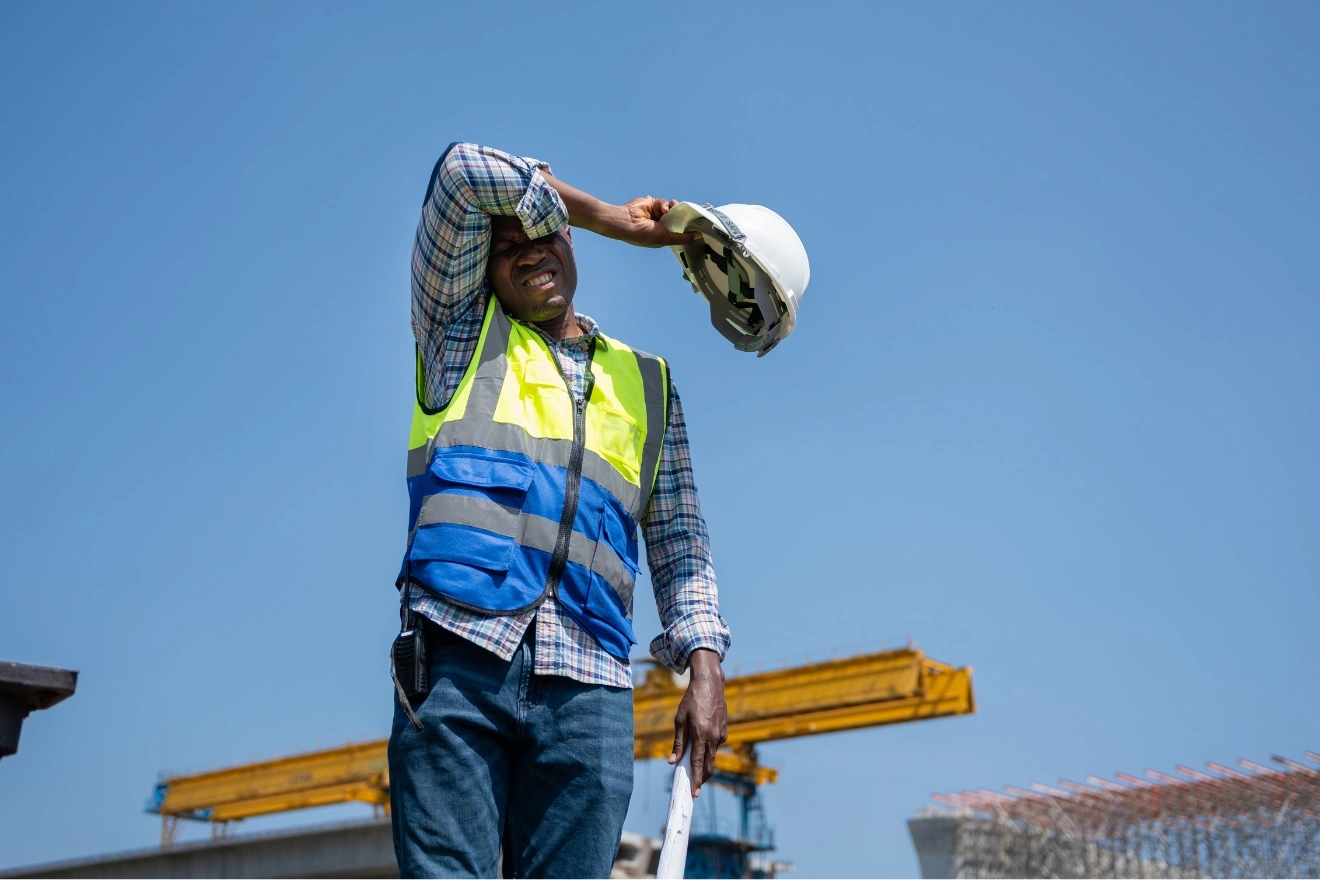
How Heat and Dehydration Affect Your Muscles and Increase Injury Risk
When summer arrives, most people focus on the obvious risks—sunburn, overheating, maybe even dehydration.
But what often gets overlooked is how heat and hydration directly impact your muscles, your balance, and your ability to move safely.
And for active adults?
This matters more than you might think.
Because the difference between feeling strong and steady… and feeling fatigued and off-balance… can come down to something as simple as hydration.
Why Heat Changes Everything
Your body works harder in the heat.
Even if you’re doing the same activity you did in cooler weather, your body is:
- Regulating temperature
- Sweating more
- Losing fluids and electrolytes
- Working harder to maintain performance
That means your muscles fatigue faster.
And when your muscles fatigue…
Everything changes.
What Dehydration Does to Your Body
Dehydration isn’t just about thirst.
It affects:
- Muscle contraction
- Coordination
- Reaction time
- Balance
Even mild dehydration can lead to:
- Increased fatigue
- Muscle cramping
- Dizziness
- Reduced stability
That’s where injury risk starts to climb.
The Link Between Fatigue and Injury
Most injuries don’t happen when you’re fresh.
They happen when:
- You’re tired
- Your form breaks down
- Your body can’t respond as quickly
We see this across many summer activities (as discussed in “Why Summer Activities Lead to More Injuries Than You Think”).
Add heat and dehydration to the mix…
And that risk increases even more.
Balance and Fall Risk (A Critical Piece)
Hydration plays a role in:
- Blood pressure regulation
- Brain function
- Muscle responsiveness
When hydration drops:
- You may feel lightheaded
- Your reaction time slows
- Your balance becomes less reliable
This is especially important for active adults who want to stay confident and steady on their feet.
Early Warning Signs People Ignore
Your body gives you signals—but many people push past them.
Watch for:
- Dry mouth
- Fatigue earlier than expected
- Muscle tightness or cramping
- Feeling “off” or unsteady
- Headaches
These are not signs to ignore—they’re signs to adjust.
Hydration Isn’t Just About Water
Water is important—but it’s not the whole picture.
When you sweat, you lose:
- Sodium
- Potassium
- Other electrolytes
Replacing fluids without electrolytes can leave you still feeling depleted.
Simple Hydration Strategies That Work
1. Hydrate Before Activity
Don’t wait until you’re already outside.
2. Drink Consistently
Small amounts regularly > large amounts all at once
3. Consider Electrolytes
Especially for:
- Longer days outside
- High sweat situations
4. Pay Attention to Timing
Morning and early evening activity may be better tolerated.
The Role of Strength and Endurance
Hydration is just one piece of the puzzle.
Your ability to tolerate heat also depends on:
- Strength (see “Strength That Supports the Life You Want to Live”)
- Endurance (see “How to Build Endurance for Active Summer Days”)
Stronger, more conditioned bodies:
- Handle stress better
- Recover faster
Stay more resilient
Pacing Matters More in the Heat
When it’s hot:
You need to pace differently
This means:
- More frequent breaks
- Lower intensity
Listening earlier (We talk more about this in “How to Pace Yourself Without Missing Out”.)
The Bigger Picture
This isn’t just about avoiding dehydration.
It’s about:
- Staying active safely
- Maintaining energy
- Protecting your body
Because when your body is supported…
You can do more of what you love.
If fatigue, cramping, or feeling “off” in the heat is limiting your activity, it’s time to take a closer look at how your body is functioning.
At Vitality At Home, we help active adults improve strength, endurance, and movement strategies so they can stay active and confident—even in challenging conditions.
👉 Initial assessments are covered by insurance.
📞 Call or Text: 616-644-9155
📧 Email: vitalityptgr@gmail.com
Let’s make sure your body is ready for everything summer brings.