Small Movement Tweaks That Reduce Wear and Tear on Your Body

July 2, 2026

Most people assume pain comes from one major event.

A fall.
An injury.
A wrong movement.
A workout gone bad.

But for many adults, discomfort develops much more gradually.

It often comes from the accumulation of small daily stressors repeated over and over again:

  • The way you stand
  • How you get out of a chair
  • The way you carry groceries
  • Your walking habits
  • The positions you stay in for hours
  • How your body compensates for stiffness or weakness

These little movement habits may not seem important in the moment.

But repeated thousands of times over months and years, they significantly affect how the body feels and functions.

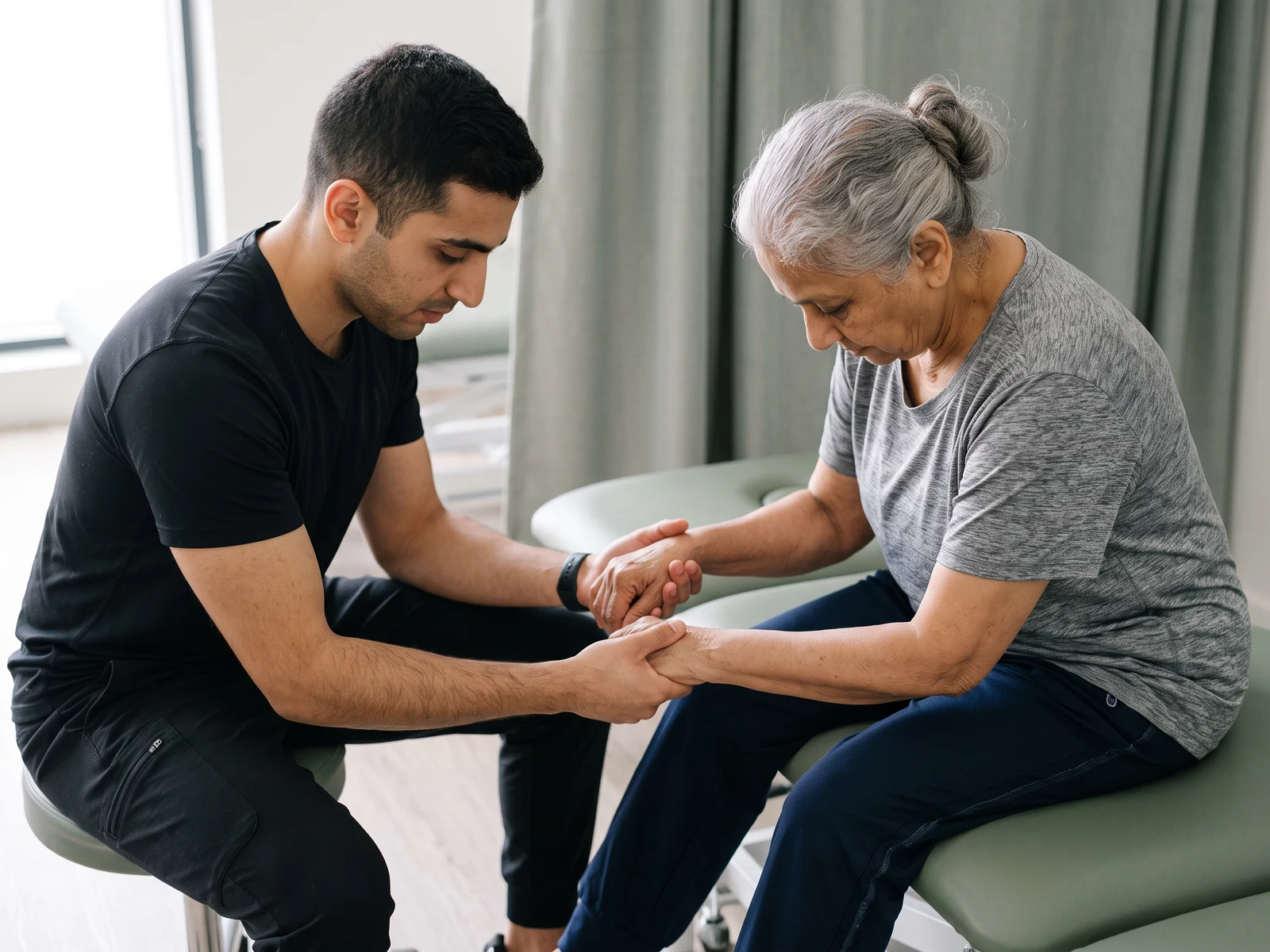
At Vitality At Home Physical Therapy in Grand Rapids, we work with many active adults who are surprised to learn that small changes in movement strategy can dramatically reduce daily strain on the body.

Not because they are “fragile.”
Not because they need to stop being active.

But because the body functions best when force is distributed efficiently.

And after 50, movement efficiency matters more than ever.

Wear and Tear Is Often About Load Distribution

One of the biggest misconceptions about aging is the idea that the body simply “wears out.”

In reality, the body is constantly adapting.

Joints, muscles, tendons, and connective tissue respond to:

  • Load
  • Movement
  • Strength
  • Recovery
  • Stress
  • Mobility
  • Activity levels

Problems often develop when certain tissues absorb more stress than they can tolerate over time.

This usually happens because:

  • Movement options become limited
  • Strength becomes imbalanced
  • The body compensates around stiffness
  • Posture becomes more rigid
  • Daily movement patterns become repetitive

The good news?

Small improvements in movement mechanics often create significant reductions in unnecessary stress.

Your Body Loves Movement Variety

The human body was designed for movement variability.

Walking.
Rotating.
Reaching.
Squatting.
Changing positions.
Shifting weight.
Getting up and down from the floor.

Unfortunately, modern lifestyles often reduce movement variety dramatically.

Many adults spend large portions of the day:

  • Sitting
  • Driving
  • Looking down at devices
  • Standing in one position
  • Repeating the same tasks
  • Avoiding uncomfortable movement

Over time, the body adapts to those limited patterns.

Stiffness increases.
Compensation increases.
Movement efficiency decreases.

The goal is not “perfect posture.”

The goal is helping the body move more dynamically and efficiently throughout the day.

Small Tweaks Matter More Than Extreme Changes

Many people think improvement requires:

  • Intense workouts
  • Aggressive stretching
  • Expensive equipment
  • Perfect exercise routines

But often, the most meaningful improvements come from changing how the body handles everyday movement.

Because daily habits happen far more frequently than workouts.

The body responds to repetition.

That means small changes repeated consistently can have a major long-term impact.

Movement Tweak #1: Stop Holding One Position Too Long

Even “good posture” becomes stressful if held for hours.

One of the easiest ways to reduce strain on the body is simply to move more often.

This may include:

  • Standing up during work
  • Walking during phone calls
  • Changing sitting positions regularly
  • Taking movement breaks every 30–60 minutes
  • Alternating tasks throughout the day

The body tolerates movement far better than prolonged stillness.

Often, stiffness is less about age and more about reduced movement variability.

Movement Tweak #2: Use Your Hips More Than Your Back

Many adults unknowingly move primarily through their low back instead of their hips.

This is especially common during:

  • Bending
  • Reaching
  • Lifting
  • Gardening
  • Loading dishwashers
  • Picking things up from the floor

When the hips stop contributing effectively, the lumbar spine often absorbs excessive stress.

Learning to hinge through the hips instead of repeatedly flexing through the low back can dramatically reduce strain over time.

This does not mean moving stiffly or robotically.

It means helping the larger muscles of the hips and legs share the workload more efficiently.

Movement Tweak #3: Change How You Get Out of a Chair

Standing up may seem simple, but many adults compensate significantly during transfers.

Common patterns include:

  • Pulling heavily with the arms
  • Rocking excessively
  • Weight shifting strongly to one side
  • Collapsing through posture
  • Holding the breath

Over time, these compensations may reinforce weakness, asymmetry, and joint stress.

Small adjustments can help:

  • Scooting forward before standing
  • Positioning feet underneath the body
  • Leaning through the hips instead of rounding excessively
  • Exhaling during effort
  • Driving through the legs evenly

These changes often improve both efficiency and confidence.

Movement Tweak #4: Let Your Arms Swing While Walking

Many adults walk with very limited arm swing without realizing it.

This often happens because of:

  • Thoracic stiffness
  • Shoulder tightness
  • Guarded movement
  • Balance concerns
  • Stress tension

Arm swing plays a major role in:

  • Walking efficiency
  • Rotational movement
  • Balance reactions
  • Energy conservation

When the body walks rigidly, movement becomes more fatiguing and less efficient.

Allowing natural arm swing often helps restore more fluid walking mechanics.

Movement Tweak #5: Stop Looking Down Constantly While Walking

Many people develop the habit of staring at the ground while walking.

Sometimes this comes from:

  • Fear of falling
  • Balance changes
  • Habit
  • Forward posture
  • Reduced confidence

Unfortunately, constantly looking down shifts posture forward and alters balance reactions.

It may also reduce:

  • Walking efficiency
  • Environmental awareness
  • Trunk rotation
  • Natural gait rhythm

Improving visual positioning can significantly improve overall walking mechanics.

Movement Tweak #6: Rotate More Throughout the Day

The body was designed to rotate.

Walking itself requires rotation through:

  • The spine
  • Rib cage
  • Pelvis
  • Hips
  • Arms

Yet many adults move almost entirely in straight lines.

Over time, rotational stiffness often contributes to:

  • Back tightness
  • Hip discomfort
  • Neck tension
  • Reduced walking fluidity
  • Increased strain during reaching and bending

Simple rotational movement throughout the day can help maintain mobility and reduce compensation patterns.

Movement Tweak #7: Breathe More Efficiently

Breathing affects far more than oxygen intake.

Breathing mechanics influence:

  • Core function
  • Posture
  • Rib cage mobility
  • Neck tension
  • Balance
  • Pressure management
  • Movement coordination

Many adults unknowingly breathe shallowly through the chest and shoulders all day long.

This often increases:

  • Neck tightness
  • Shoulder fatigue
  • Trunk rigidity
  • Poor postural endurance

Allowing the rib cage to expand more naturally while reducing excessive shoulder tension can significantly improve how the body feels.

Movement Tweak #8: Stop Bracing All Day Long

Many adults constantly tighten their stomach, shoulders, jaw, or glutes without realizing it.

This often develops from:

  • Stress
  • Pain history
  • Fear of movement
  • Trying to “protect” the body
  • Being told to “tighten your core”

But the body was not designed to stay braced all day.

Excessive muscular guarding often creates:

  • Fatigue
  • Stiffness
  • Reduced mobility
  • Altered breathing
  • Increased tension

The goal is adaptable stability — not constant rigidity.

Movement Tweak #9: Walk More Frequently, Not Just Harder

Many people think exercise only “counts” if it is intense.

But frequent walking throughout the day is one of the best things for:

  • Joint nutrition
  • Circulation
  • Mobility
  • Balance
  • Endurance
  • Posture
  • Recovery
  • Stress reduction

Consistent movement generally benefits the body more than occasional extreme effort.

Movement Tweak #10: Build Confidence With Movement Again

One of the biggest contributors to stiffness and reduced mobility is fear-based movement avoidance.

After pain, injury, or balance changes, many adults begin unconsciously limiting movement.

Unfortunately, the body often becomes less adaptable when movement variety decreases.

Strategic movement retraining helps restore:

  • Confidence
  • Coordination
  • Mobility
  • Balance reactions
  • Functional strength

The goal is not simply avoiding pain.

The goal is maintaining freedom.

Small Changes Create Long-Term Resilience

The body responds to consistent input.

Tiny movement habits repeated daily matter far more than people realize.

Small improvements in:

  • Walking
  • Standing
  • Breathing
  • Rotating
  • Weight shifting
  • Sitting
  • Bending
  • Balance

…can significantly reduce cumulative stress on the body over time.

This is especially important after 50, when movement efficiency becomes increasingly valuable for maintaining long-term independence and activity.

You Do Not Need to Move Perfectly

This is important.

There is no single perfect posture or perfect movement pattern.

The goal is not perfection.

The goal is adaptability.

Healthy bodies:

  • Move frequently
  • Change positions naturally
  • Rotate well
  • Recover balance efficiently
  • Share workload appropriately
  • Tolerate movement confidently

Your body was designed to move — not remain rigid all day long.

Looking for Help With Movement, Posture, or Pain in Grand Rapids?

At Vitality At Home Physical Therapy, we help active adults throughout the Grand Rapids area improve mobility, balance, posture, strength, and movement efficiency so they can continue doing the things they love with less pain and greater confidence.

Our approach focuses on helping the entire body move better together — because small movement changes often create powerful long-term results.

Because living your best life never gets old.

Call us today at 616-414-2271 to schedule an evaluation and learn how physical therapy can help you move more comfortably, confidently, and efficiently.


Categories