


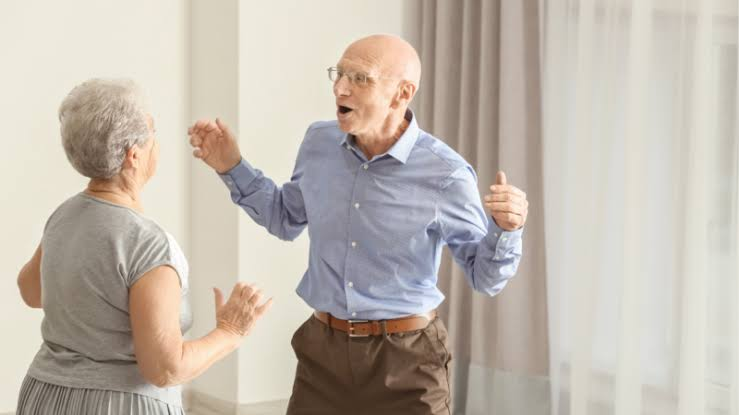
When people hear the phrase physical independence after 60, they often picture someone who can still mow their own lawn, carry all of their groceries in one trip, or proudly declare, “I don’t need any help.”
But true independence isn’t about doing everything by yourself.
It’s about having choices.
It’s having the freedom to decide how you want to spend your days without your body making those decisions for you. It’s being able to say yes to dinner with friends, chase your grandkids around the backyard, travel to visit family, attend church, volunteer in your community, or simply move through your home with confidence.
At Vitality At Home, we believe physical independence is one of the greatest gifts we can protect as we age. And the good news? Independence isn’t all-or-nothing. It’s something you can build, maintain, and reclaim—one movement at a time.
What Is Physical Independence?
Physical independence means having the ability to perform the activities that matter most to you safely and confidently.
For some people, that means:
- Living in their own home
- Driving to appointments
- Gardening in the summer
- Playing on the floor with grandchildren
- Traveling with a spouse
- Walking the dog
- Climbing the stairs without fear
- Getting up from the toilet without assistance
For others, independence may mean using tools, strategies, or support systems that allow them to continue doing the things they love.
The truth is, independence doesn’t mean doing everything exactly the way you’ve always done it. It means adapting when necessary so you can continue living life on your own terms.
Independence Doesn’t Mean Isolation
Many older adults equate accepting help with “losing independence.”
In reality, refusing support when it’s needed can actually reduce independence.
For example:
- Using a grab bar doesn’t mean you’re weak.
- Using a walking stick on uneven terrain doesn’t mean you’ve failed.
- Seeing a physical therapist doesn’t mean you’re broken.
- Learning safer strategies doesn’t mean giving up.
These tools often extend independence by preventing falls, injuries, and unnecessary limitations.
The goal isn’t pride.
The goal is participation.
The Small Changes That Add Up
Loss of independence rarely happens overnight.
More often, it begins with subtle changes.
You stop carrying the laundry basket downstairs because it feels harder.
You avoid crowded events because standing too long hurts.
You skip your daily walk because your balance feels “off.”
You pass on vacations because you’re worried about keeping up.
You stop getting down on the floor because you’re afraid you won’t get back up.
Individually, these decisions may seem insignificant.
But over time, they begin to shrink your world.
Many people don’t realize how much they’ve given up until they pause long enough to look back.
The Activities That Matter Most
As physical therapists specializing in older adults, we often ask our clients:
“What do you want to be able to do that you can’t do now—or are worried you won’t be able to do in the future?”
Rarely do people say:
- “I want stronger quadriceps.”
- “I want to improve my hip abduction strength.”
Instead, they say:
- “I want to stay in my home.”
- “I want to travel.”
- “I want to keep golfing.”
- “I want to babysit my grandkids.”
- “I want to continue volunteering.”
- “I don’t want to be a burden.”
- “I want to keep up with my spouse.”
- “I want to walk confidently into church.”
Those are independence goals.
And those goals matter.
Aging Doesn’t Automatically Mean Decline
One of the biggest myths about aging is that slowing down is inevitable.
Yes, our bodies change.
After age 30, adults naturally begin losing muscle mass if they don’t actively challenge it. Balance systems become less efficient. Joint stiffness can increase. Reaction times may slow.
But aging itself is not the sole reason people lose independence.
Inactivity often plays a much larger role.
Research consistently shows that strength, balance, endurance, and mobility can improve well into our 70s, 80s, and even 90s.
We’ve seen clients:
- Return to hiking after falls.
- Travel internationally after joint replacements.
- Regain confidence after strokes.
- Continue living independently despite Parkinson’s disease.
- Get back to gardening after months of back pain.
Your age does not determine your potential.
The Building Blocks of Independence
Physical independence relies on several key areas working together.
Strength
Strength allows you to:
- Get out of chairs
- Carry groceries
- Lift laundry baskets
- Climb stairs
- Recover if you lose your balance
Without adequate strength, everyday tasks become exhausting.
Balance
Balance helps you navigate:
- Uneven sidewalks
- Crowded spaces
- Turning quickly
- Stepping over obstacles
- Changes in lighting
Good balance provides confidence.
Poor balance often leads to fear and avoidance.
Endurance
Independence requires stamina.
Can you:
- Walk through the grocery store?
- Enjoy an afternoon at the zoo?
- Attend a graduation ceremony?
- Explore a new city while traveling?
Endurance allows you to participate fully in life.
Mobility
Mobility refers to how your body moves.
Joint stiffness, pain, and limited flexibility can make everyday activities harder than they need to be.
The good news?
Mobility can improve with targeted interventions.
Confidence
Confidence may be the most overlooked piece of independence.
People who don’t trust their bodies often stop doing things they are physically capable of accomplishing.
Fear changes behavior.
Building confidence changes lives.
Aging in Place Starts Long Before a Crisis
Many people wait until after a fall, hospitalization, or injury to address their mobility.
But the best time to protect your independence is before a crisis occurs.
Think of it like preventive maintenance on your car.
You don’t wait until the engine fails to change the oil.
You don’t wait until the roof caves in to replace shingles.
Your body deserves the same proactive care.
An annual physical therapy assessment can identify:
- Early balance deficits
- Strength losses
- Walking changes
- Fall risk factors
- Areas of stiffness
- Opportunities to improve efficiency
Addressing these concerns early often prevents bigger problems later.
Independence Looks Different for Everyone
One of the most important lessons we’ve learned is that there is no single definition of independence.
For one person, independence means continuing to pickle vegetables from the backyard garden.
For another, it means dancing at a granddaughter’s wedding.
For someone else, it means safely transferring from bed to wheelchair with less assistance.
All of these goals are meaningful.
All of them deserve support.
Comparison has no place in healthy aging.
Your version of independence matters because it’s yours.
It’s Never Too Late to Start
If you’re reading this and thinking:
“I wish I had started sooner.”
You’re not alone.
But here’s what we want you to know:
It’s never too late.
It is never too late to become stronger.
It is never too late to improve your balance.
It is never too late to regain confidence.
It is never too late to pursue the activities that bring you joy.
Small improvements create meaningful change.
One additional lap around the block.
One less hand needed to stand up.
One more outing with friends.
One more trip.
One more season of gardening.
One more dance.
Those moments add up to a life well lived.
Freedom to Move Means Freedom to Live
At the end of the day, physical independence isn’t about proving that you can do everything alone.
It’s about preserving the freedom to choose how you spend your time, where you invest your energy, and who you share your life with.
It’s about saying yes.
Yes to vacations.
Yes to celebrations.
Yes to hobbies.
Yes to community.
Yes to grandkids.
Yes to possibility.
And yes to the life you want to live.
Because living your best life never gets old.
Ready to Protect Your Independence?
At Vitality At Home Physical Therapy & Wellness, we help older adults build the strength, balance, mobility, and confidence they need to continue doing the things they love. Whether you’re noticing changes in your movement or simply want to stay ahead of them, we’re here to help.
Call us today at 616-644-9155 to schedule an appointment and take the next step toward protecting your freedom to move.