


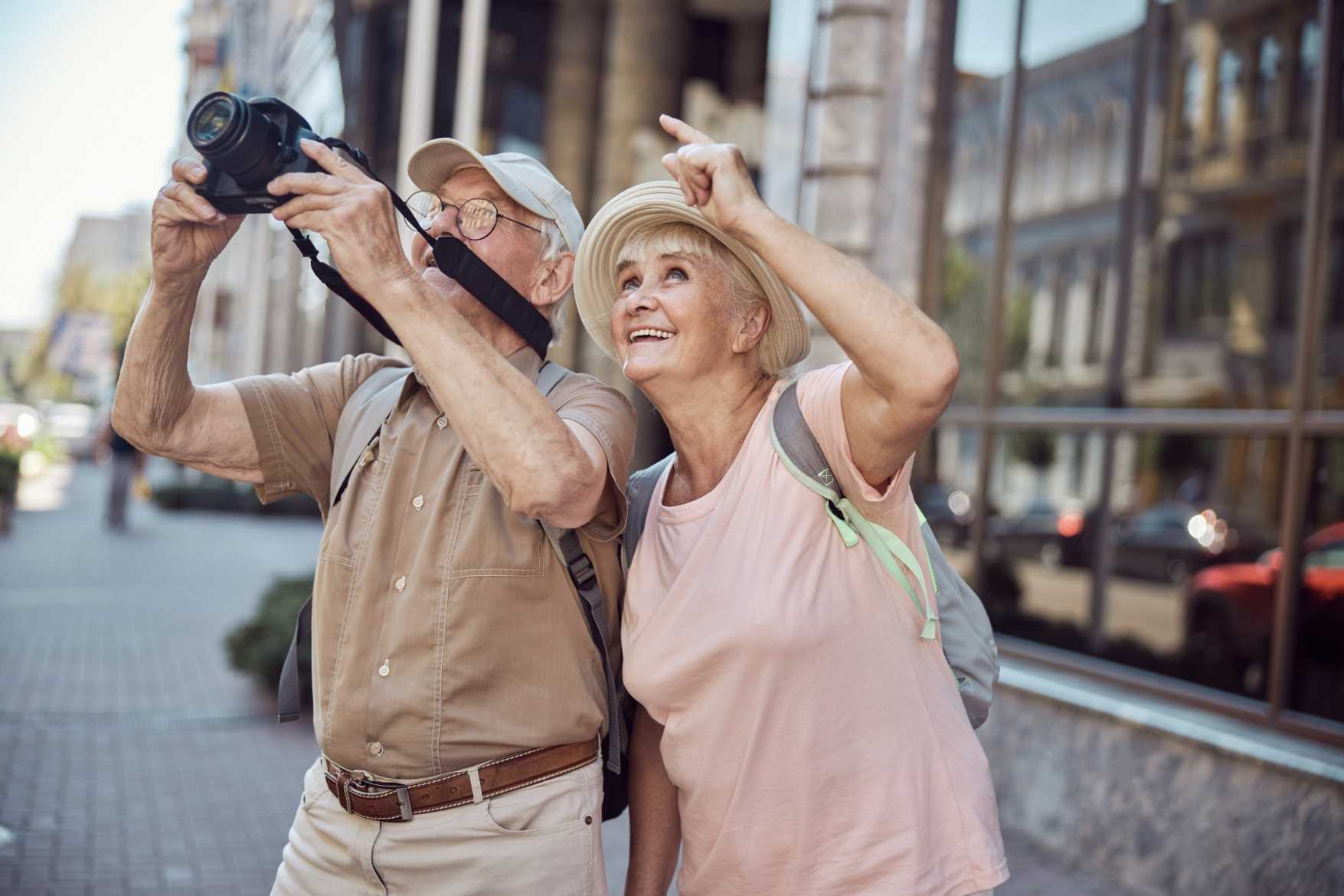
Travel, Events, and Long Days: How to Stay Comfortable
Retirement often comes with something many people have been looking forward to for decades: freedom.
Freedom to visit grandchildren. Freedom to take the trip you’ve always dreamed of. Freedom to say yes to weddings, concerts, sporting events, family reunions, volunteer opportunities, and weekend getaways.
But for many older adults, excitement about these experiences is accompanied by another thought:
“I hope my body cooperates.”
Will there be a lot of walking?
How long will I have to stand?
What if my back starts hurting?
What if my knee swells?
Will I slow everyone down?
Will I be exhausted afterward?
If you’ve ever found yourself worrying about whether your body can keep up with the life you want to live, you’re not alone.
At Vitality At Home, we work with older adults every day who want to remain active, independent, and engaged in the experiences that bring them joy. The good news? With a little planning and a few practical strategies, you can travel more comfortably, navigate long days with greater ease, and continue saying yes to the adventures that matter most.
Because freedom to move means freedom to explore.
Don’t Save Your Energy for the Trip—Prepare for It
One of the biggest mistakes people make before a vacation or special event is doing less activity beforehand because they want to “save their energy.”
Unfortunately, reducing activity often backfires.
Think of your body like training for an event. If you’re preparing to walk through airports, explore museums, attend a graduation ceremony, or spend a week sightseeing, your body benefits from gradually building its capacity beforehand.
A few weeks before your trip, consider:
- Increasing your daily walking distance.
- Practicing stairs if you’ll encounter them.
- Working on sit-to-stand exercises.
- Improving balance and endurance.
- Building leg and core strength.
You don’t need an intense fitness routine.
You simply want your body to be prepared for the demands ahead.
Wear the Right Shoes
Footwear can make or break an experience.
We often see people prioritize style over support for weddings, vacations, and special occasions—only to spend the rest of the event focused on foot pain.
When selecting shoes for travel or long days, look for:
- Supportive soles
- Good traction
- Proper fit
- Adequate cushioning
- Secure heel support
If you’ll be doing significant walking, break new shoes in before your trip rather than wearing them for the first time while traveling.
Your feet are your foundation.
Taking care of them helps everything else function better.
Pace Yourself
Many older adults feel pressure to keep up with everyone else.
They don’t want to inconvenience family members or miss out on experiences.
As a result, they push through fatigue until they completely run out of steam.
Instead, think about pacing.
Pacing doesn’t mean doing less.
It means being strategic.
Try to:
- Alternate periods of activity with rest.
- Schedule downtime into your itinerary.
- Sit when opportunities arise.
- Prioritize the activities that matter most.
- Break larger tasks into smaller segments.
Sometimes the goal isn’t doing everything.
It’s enjoying the things you choose to do.
Build Movement Into Long Travel Days
Whether you’re flying, driving, or riding the train, prolonged sitting can contribute to:
- Joint stiffness
- Muscle tightness
- Increased swelling
- Back discomfort
- Reduced circulation
- General fatigue
Whenever possible, change positions regularly.
During Car Travel:
- Stop every 1–2 hours.
- Walk around for a few minutes.
- Perform gentle stretches.
- Move your ankles and feet frequently.
During Flights:
- Stand up periodically.
- Walk the aisle when appropriate.
- Perform ankle pumps while seated.
- Shift positions frequently.
Small movements make a big difference.
Stretch the Areas That Tighten First
Everyone has their “trouble spots.”
For some people, it’s their lower back.
For others, it’s their hips, calves, neck, or shoulders.
Before and after long periods of activity, gentle stretching can help improve comfort and mobility.
Common areas to address include:
Calves
Tight calves can affect walking mechanics and balance.
Hip Flexors
Extended sitting often contributes to hip stiffness.
Hamstrings
These muscles commonly tighten during travel.
Chest and Shoulders
Long drives and carrying luggage can encourage poor posture.
Neck
Stress and unfamiliar sleeping arrangements may contribute to neck tension.
Stretching doesn’t need to be complicated.
Consistency matters more than perfection.
Be Strategic About Luggage
Packing lighter isn’t just convenient—it’s protective.
Heavy luggage can place significant stress on your:
- Back
- Shoulders
- Wrists
- Knees
- Balance systems
Whenever possible:
- Use rolling luggage.
- Divide heavier items into multiple bags.
- Ask for assistance if needed.
- Avoid twisting while lifting.
- Lift with your legs rather than your back.
Remember:
Accepting help isn’t losing independence.
It’s preserving your ability to enjoy the experience.
Stay Hydrated
Travel routines often disrupt normal habits.
People drink less because they don’t want frequent bathroom stops.
Schedules become unpredictable.
Hydration falls by the wayside.
Even mild dehydration can contribute to:
- Fatigue
- Dizziness
- Muscle cramping
- Constipation
- Reduced energy
Bring a refillable water bottle and make hydration a priority.
Your body functions best when it’s properly fueled.
Listen to Your Body Without Letting It Call All the Shots
This can be a delicate balance.
There’s a difference between:
“I’ve been on my feet for eight hours and need a short break.”
And:
“I’ve decided not to go because I’m worried I might get tired.”
Discomfort doesn’t automatically mean danger.
Fatigue doesn’t automatically mean failure.
Learning to distinguish between normal exertion and warning signs can help you participate more confidently.
If you’re unsure what your body is telling you, a physical therapist can help you better understand your unique needs and limitations.
Recover Well After Busy Days
After a full day of sightseeing, attending an event, or spending time with family, your body may benefit from intentional recovery.
Consider:
- Gentle walking
- Stretching
- Adequate hydration
- Elevating swollen legs
- Using ice or heat when appropriate
- Prioritizing sleep
Recovery allows you to recharge and enjoy the next day’s activities.
Think of it as maintenance—not weakness.
Don’t Wait Until the Week Before Your Trip
One of the most common things we hear from clients is:
“I wish I had addressed this sooner.”
Maybe you have an upcoming cruise.
Maybe your granddaughter is getting married.
Maybe you’re planning a once-in-a-lifetime trip.
Maybe you simply want to survive a full day at the county fair without paying for it afterward.
Preparing your body ahead of time can make those experiences significantly more enjoyable.
Physical therapy isn’t only for recovering from injuries.
It can also help you prepare for meaningful life events by improving:
- Strength
- Balance
- Endurance
- Mobility
- Confidence
The Goal Isn’t Perfection
Will your body feel exactly like it did at 25?
Probably not.
Will you need to be intentional about preparation and recovery?
Absolutely.
But that doesn’t mean your adventures are over.
You can still:
- Explore new places.
- Make memories with family.
- Attend celebrations.
- Volunteer in your community.
- Travel with confidence.
- Say yes to opportunities.
The goal isn’t to eliminate every ache or guarantee you’ll never get tired.
The goal is to build a body that supports the life you want to live.
Freedom to Move Means Freedom to Explore
The ability to travel, celebrate milestones, and participate in long, meaningful days isn’t something to take for granted.
It’s worth protecting.
With thoughtful preparation, practical strategies, and the right support, many older adults discover they can do more than they thought possible.
The memories you’ll make are worth investing in.
Because the best adventures often aren’t found in perfect circumstances.
They’re found in the moments when you choose to show up anyway.
And living your best life never gets old.
Ready to Prepare for Your Next Adventure?
At Vitality At Home Physical Therapy & Wellness, we help older adults improve strength, balance, mobility, and endurance so they can continue doing the things they love—from family vacations and weddings to everyday outings in the community. If you have an upcoming trip or special event, we’d love to help you prepare with confidence.
Call us today at 616-644-9155 to schedule an appointment and take the next step toward protecting your freedom to move.