

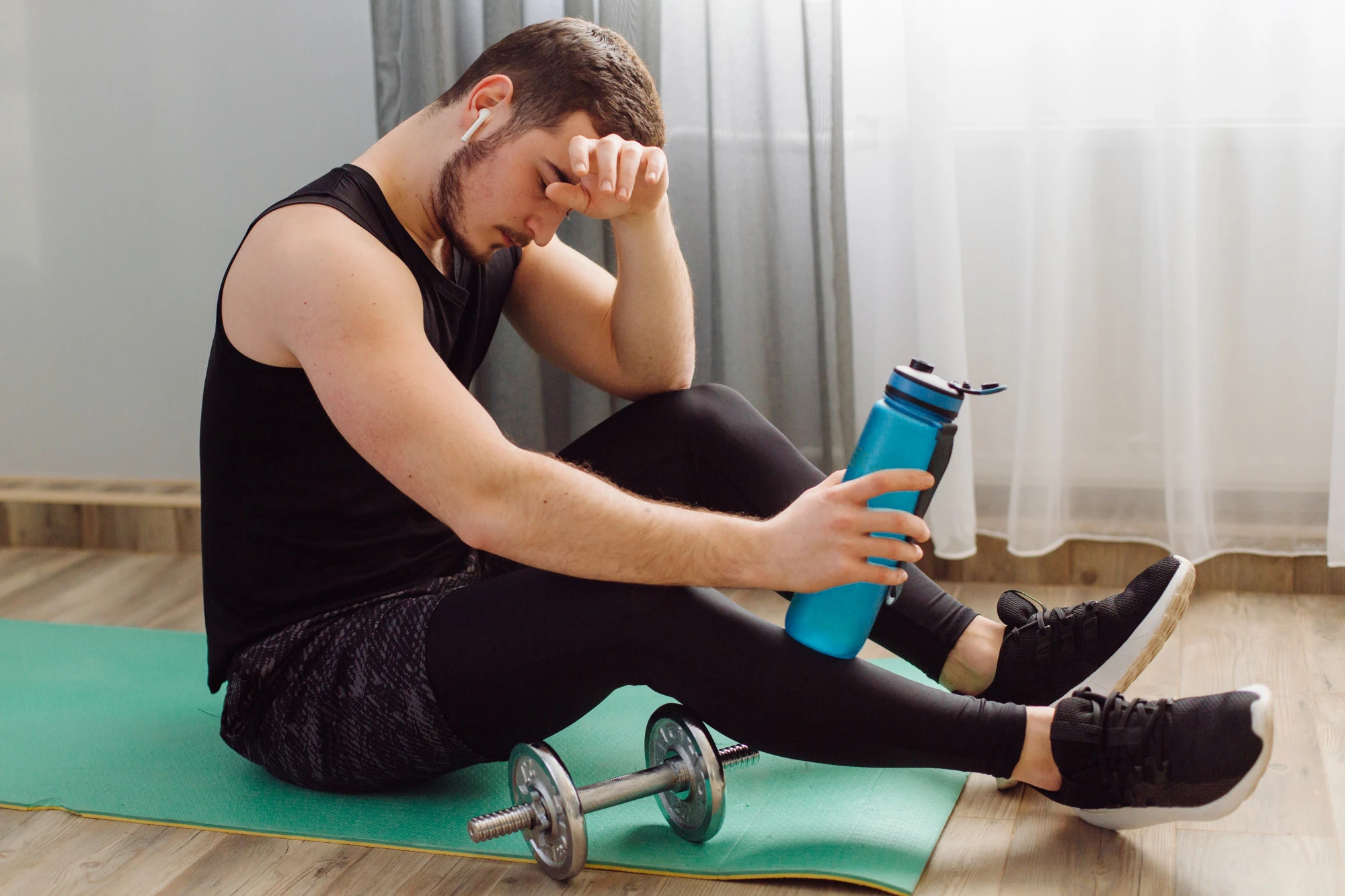
Here is a question that sounds simple but changes everything about how you should exercise: when you get tired, is it your muscles or your heart and lungs? Understanding muscle fatigue vs. cardiovascular fatigue is the first step to training in a way that actually works.
Muscle fatigue
The “my legs feel like lead” feeling. You are climbing the stairs and your thighs burn or feel heavy, but you are not particularly winded. That is the muscle reaching its limit — a strength and endurance issue.
● What helps: progressive strength training, so the muscle can do more before it tires.
Cardiovascular fatigue
The “I’m out of breath” feeling. Your heart pounds and you need to catch your breath, even if your legs feel fine. That is your heart and lungs struggling to keep up.
● What helps: gentle, gradual aerobic conditioning — walking programs and safe interval work.
Why it matters
If you have cardiovascular fatigue but only lift weights, you will stay winded. If you have muscle fatigue but only walk, your legs will keep giving out. Matching the training to the real problem is where progress comes from — and it is one of the first things we sort out together in your home.
Frequently asked questions
How do I know if it’s muscle or cardiovascular fatigue?
If your muscles feel heavy or burn but your breathing is fine, it’s muscle fatigue. If you’re breathless with a pounding heart but your legs feel okay, it’s cardiovascular. Many people have some of both.
Which type of exercise helps each one?
Strength training targets muscle fatigue; gradual aerobic conditioning (like walking) targets cardiovascular fatigue.
Not sure which one is holding you back? A free 15-minute call with Jenna is a great place to start. 📞Written by Jenna Smith, DPT, GCS — a licensed Michigan physical therapist and board-certified geriatric clinical specialist, owner of Vitality at Home, serving Grand Rapids & West Michigan.