


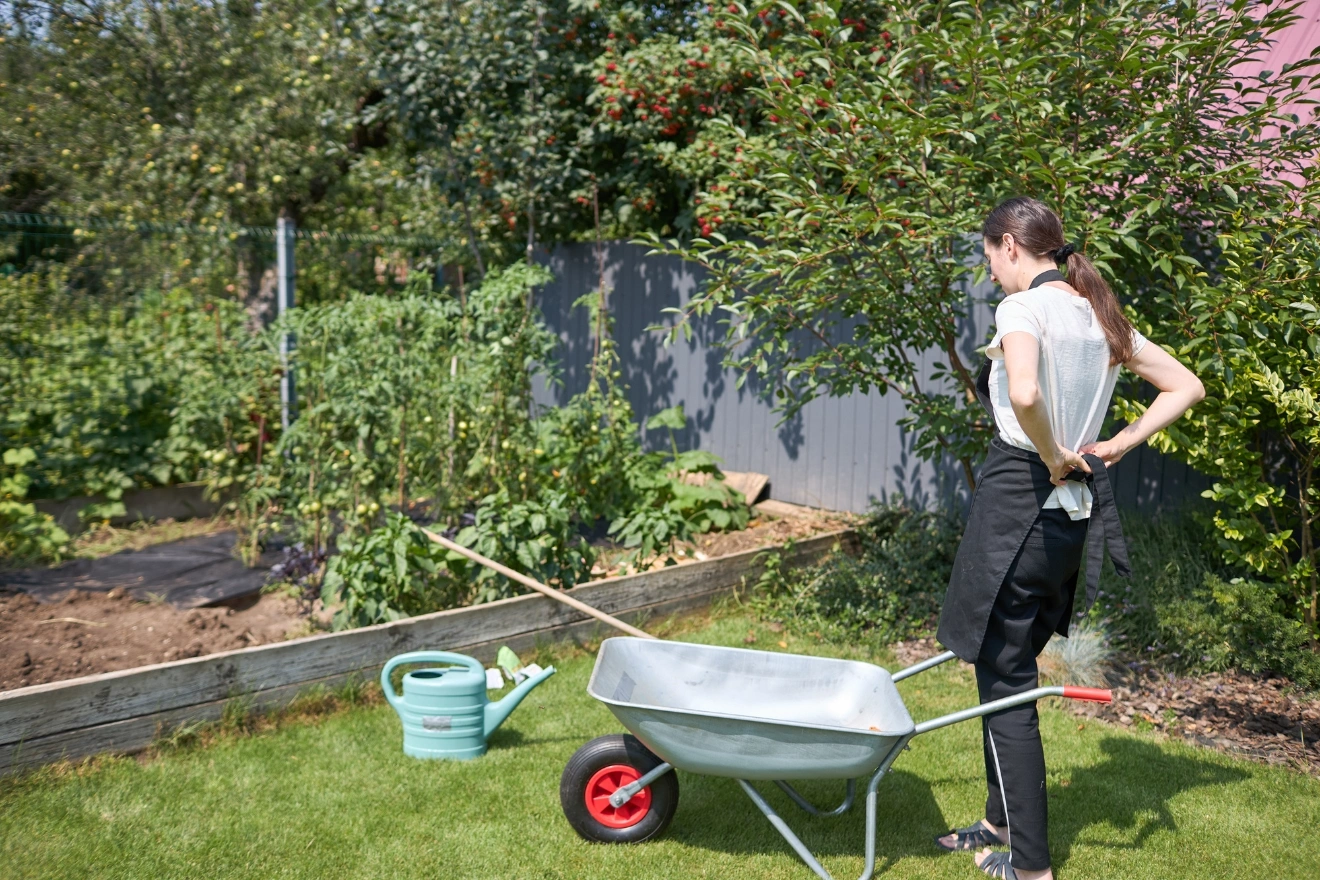
There’s something about the first warm days of spring that pulls you outside.
The sun is finally back. The air feels lighter. And suddenly, your garden is calling your name.
You start small—pulling a few weeds, planting a couple flowers. But before you know it, you’re:
- Hauling bags of soil
- Squatting, kneeling, and twisting
- Reaching, digging, lifting, and carrying
And then…
A day or two later, it hits.
Your back is tight. Your knees ache. Your hips feel stiff. Getting up and down suddenly feels like a chore.
If this sounds familiar, you’re not alone—and more importantly, it’s not inevitable.
Why Gardening Causes So Many Injuries
Gardening is often thought of as a low-impact, relaxing activity.
But physically? It’s one of the most demanding things many people do all year.
Here’s why:
After a long winter, most people go from relatively low activity levels straight into:
- Repetitive bending and reaching
- Prolonged kneeling or squatting
- Lifting awkward or uneven loads
- Twisting under load
That combination puts significant stress on your:
- Low back
- Knees
- Hips
- Shoulders
The issue isn’t gardening—it’s that your body hasn’t been prepared for the sudden increase in demand.
This is the same pattern we see across many summer activities (which we talk more about in our blog: “Why Summer Activities Lead to More Injuries Than You Think”).
The Real Problem: You Didn’t “Lose It”—You Just Didn’t Use It
Many people assume:
“I must just be getting older.”
But what’s actually happening is much more encouraging—and fixable.
Over the winter months:
- Your mobility decreases
- Your strength declines
- Your endurance drops
So when you suddenly ask your body to perform at a high level again, it struggles to keep up.
This is not a permanent loss. It’s simply a lack of preparation.
And the good news?
You can fix it.
What Your Body Actually Needs for Gardening
To garden comfortably and safely, your body needs four key things:
1. Hip Mobility
Your hips are designed to handle bending—not your low back.
If your hips are stiff:
- Your back compensates
- That leads to strain and pain
Improving hip mobility allows you to:
- Bend more efficiently
- Reduce stress on your spine
- Move with less effort
2. Core Stability
Your core acts like a support system for your spine.
When you’re lifting, reaching, or twisting:
Your core helps protect your back
Without it:
- Your spine absorbs more force
- Your injury risk increases
3. Leg Strength
Think about how many times you:
- Get up and down
- Shift positions
- Move between kneeling and standing
That requires strong:
- Glutes
- Quads
- Hamstrings
This is the same strength that supports your independence in daily life (more on that in “Strength That Supports the Life You Want to Live”).
4. Endurance
Gardening isn’t just about strength—it’s about lasting power.
Longer days outside mean your body needs:
- Muscular endurance
- Cardiovascular stamina
If you fatigue early:
Your form breaks down
Injury risk goes up
(We dive deeper into this in “How to Build Endurance for Active Summer Days”.)
A Simple 5-Minute Pre-Gardening Routine
Before heading outside, take 5 minutes to prepare your body:
- 10 Sit-to-Stands
- 10 Hip Hinges
- 10 Standing Rotations
- 10 Heel Raises
- 10 Marches in Place
This routine:
- Activates your muscles
- Improves circulation
- Prepares your joints for movement
Think of it as turning your body “on” before asking it to perform.
Movement Strategies That Make a Huge Difference
Small changes in how you move can significantly reduce pain.
1. Use a Hip Hinge (Not Your Back)
Instead of rounding your back:
- Push your hips backward
- Keep your spine neutral
This protects your low back and distributes load more efficiently.
2. Keep Loads Close
When lifting:
- Hold objects close to your body
- Avoid reaching and lifting at the same time
3. Change Positions Frequently
Avoid staying in one position too long:
- Alternate between kneeling, standing, and sitting
- Use a gardening bench if needed
4. Take Breaks Before You Need Them
Don’t wait until you’re exhausted.
Strategic pacing is key (learn more in “How to Pace Yourself Without Missing Out”).
The Role of Fatigue (This Is a Big One)
Most injuries don’t happen at the beginning of activity.
They happen:
- When you’re tired
When your form breaks down
Fatigue leads to:
- Poor movement patterns
- Reduced coordination
- Increased strain on joints
That’s why endurance and pacing matter just as much as strength.
When to Listen to Your Body
Some soreness is normal—especially when returning to activity.
But pay attention to:
- Sharp or worsening pain
- Pain that lingers more than a few days
- Pain that limits your movement
These are signs your body needs support—not just rest.
The Bigger Picture: It’s Not About Gardening
This isn’t really about gardening.
It’s about:
- Staying independent
- Doing the things you love
- Living actively and confidently
Gardening just happens to be one of the ways that shows you where your body stands.
Imagine This Instead…
Imagine:
- Spending a full day in your garden
- Waking up the next day feeling good
- Having the strength and energy to go back out again
That’s not unrealistic.
That’s what happens when your body is prepared.
How Physical Therapy Can Help
At Vitality At Home, we work with active adults who want more than just pain relief.
We help you:
- Build strength that supports real life
- Improve mobility and movement patterns
- Increase endurance for longer, fuller days
- Prevent injuries before they happen
Whether you’re dealing with pain—or just want to stay ahead of it—we meet you where you are and help you move forward.
If your body isn’t keeping up with the life you want to live, now is the time to address it.
Don’t wait until pain forces you to slow down.
Let’s build a body that allows you to fully enjoy this season—and every season ahead.
Contact Vitality At Home Physical Therapy & Wellness today to schedule your initial assessment.
✔ Covered by insurance
✔ Personalized, one-on-one care
✔ Focused on helping you stay active, strong, and independent
📞 Call or Text: (616) 644-9155
📧 Email: vitalityptgr@gmail.com