


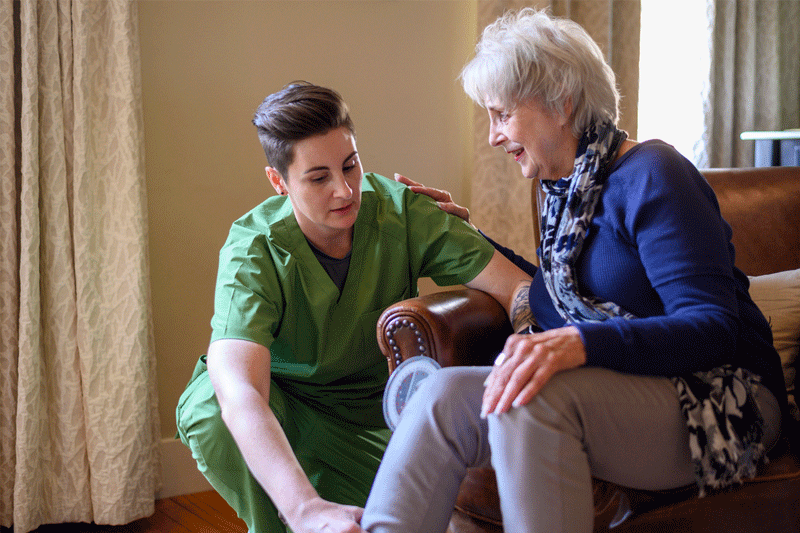
For many adult children, the realization doesn’t come all at once.
It’s not usually a fall. Not a hospitalization. Not a dramatic event.
It’s something quieter.
Mom holds the railing a little tighter than she used to.
Dad doesn’t want to go for walks anymore.
They’re still “doing fine,” but… not quite the same.
And you’re left wondering:
Is this just normal aging?
Am I overreacting?
Or is it time to help them get some extra support?
If you’ve found yourself asking these questions, you’re not alone—and you’re not wrong for noticing.
Why Changes Are Often Subtle (At First)
One of the hardest parts of supporting aging parents is that meaningful changes in mobility, balance, and confidence often happen gradually.
Many older adults adapt quietly:
- They move slower
- They avoid certain activities
- They limit how often they leave the house
- They “work around” discomfort
From the outside, everything still looks okay.
But underneath, something is shifting.
Physical therapy—especially in-home physical therapy—is most effective before a crisis happens. The challenge is knowing when that moment is.
Common Signs It May Be Time to Consider PT at Home
These signs don’t mean something is “wrong.”
They mean your parent’s body is asking for support.
1. Changes in Walking or Movement
You may notice:
- Slower walking speed
- Shuffling or shorter steps
- Hesitation on uneven surfaces
- Needing to hold furniture or walls
Even small changes in gait can signal balance or strength decline.
2. Increased Reliance on Furniture or Railings
Using handrails isn’t a problem.
Needing them more than before can be.
Pay attention to:
- Grabbing counters during standing tasks
- Pulling on furniture to get up
- Avoiding stairs whenever possible
These behaviors often reflect reduced leg strength or confidence.
3. Fewer Outings or Activities
This one is easy to miss.
Your parent might say:
- “I just don’t feel like going out as much.”
- “I’m more comfortable staying home.”
But often, this change is driven by:
- Fear of falling
- Fatigue
- Pain
- Reduced confidence
Decreased activity accelerates physical decline—especially in winter.
4. More Complaints of Stiffness, Pain, or Fatigue
Occasional aches are normal.
What’s more concerning is when pain:
- Limits daily activities
- Causes avoidance of movement
- Takes longer to recover from
- Shows up after simple tasks
Physical therapy helps address pain without encouraging inactivity.
5. A Fall, Near-Fall, or “Close Call”
Falls don’t always end on the ground.
Near-falls—catching oneself on furniture or walls—are strong predictors of future falls.
Waiting for a serious fall is one of the most common (and risky) reasons people delay PT.
6. Hesitation or Fear Around Movement
Fear of falling changes how people move.
You might notice:
- Stiffer walking
- Very cautious steps
- Avoidance of certain tasks
- Increased anxiety during outings
Fear alone can increase fall risk—and physical therapy directly addresses this.
Why Families Often Wait (And Why They Don’t Need To)
Many adult children hesitate because they don’t want to:
- Overstep
- Take away independence
- Make their parent feel “old”
These concerns come from a place of love—but waiting can unintentionally increase risk.
Physical therapy doesn’t take independence away.
It protects it.
What In-Home Physical Therapy Actually Looks Like
One common misconception is that PT is:
- Intense
- Pushy
- Only for post-surgery recovery
In reality, in-home PT is:
- One-on-one
- Personalized
- Respectful of routines
- Focused on real-life movement
Therapy happens in the environment your parent lives in—where challenges actually occur.
This allows the therapist to:
- Assess real fall risks
- Address stairs, chairs, and layouts
- Practice everyday movements safely
- Build confidence without pressure
Why In-Home PT Is Often the Best Starting Point
In-home care removes many barriers:
- No transportation stress
- No winter driving concerns
- No unfamiliar clinic environment
- No rushed appointments
It also allows therapy to blend into daily life instead of disrupting it.
For many parents, this makes accepting care much easier.
“But They’re Still Independent…”
This is one of the most common things families say—and it’s often true.
Physical therapy is not about dependency.
It’s about maintaining independence longer.
Think of PT as:
- Preventative care for mobility
- Maintenance for strength and balance
- Support during natural transitions
Just like routine medical checkups, proactive PT prevents bigger problems later.
How to Bring Up the Conversation (Gently)
Language matters.
Instead of:
- “You need therapy.”
- “You’re not safe anymore.”
Try:
- “I’ve noticed you seem less steady lately, and I want to make sure you’re supported.”
- “Would you be open to someone checking how your balance and strength are doing?”
- “This could help you stay independent longer.”
Framing PT as support rather than correction reduces resistance.
(If resistance does come up, we address that in What to Do When Your Loved One Refuses Physical Therapy.)
Why Waiting for a Crisis Is the Riskiest Option
Families often call after:
- A fall
- A hospitalization
- A sudden decline
At that point, recovery is harder—and fear is higher.
Starting earlier allows:
- Faster progress
- Fewer visits overall
- Better confidence
- Less disruption to daily life
Early support is almost always easier than reactive care.
What Physical Therapy Can Help With—Even Early On
PT doesn’t require severe limitation.
It can help with:
- Balance confidence
- Walking mechanics
- Strength for transfers
- Pain management
- Endurance
- Fall prevention strategies
Small changes now can prevent big problems later.
A Common Question: “Isn’t This Just Aging?”
Yes—aging brings changes.
But decline is not inevitable.
Strength, balance, and confidence are all trainable at any age. Physical therapy simply provides the structure and guidance to do it safely.
Final Thoughts
Noticing changes in a parent can feel heavy.
But seeing those changes early is a gift—not a failure.
In-home physical therapy offers a respectful, proactive way to support aging parents without taking over their lives or choices.
If you’re asking yourself whether it’s time to help Mom or Dad get PT at home, that question alone is often your answer.
Wondering If It’s Time to Take the Next Step?
If you’ve noticed changes in your parent’s balance, strength, confidence, or activity level—and want guidance without pressure—we’re here to help.
At Vitality At Home, we provide one-on-one in-home physical therapy in Grand Rapids, focused on maintaining independence, preventing falls, and supporting confident aging.
📞 Call 616-644-9155 to schedule an in-home assessment or to talk through whether PT is the right next step for your parent.