


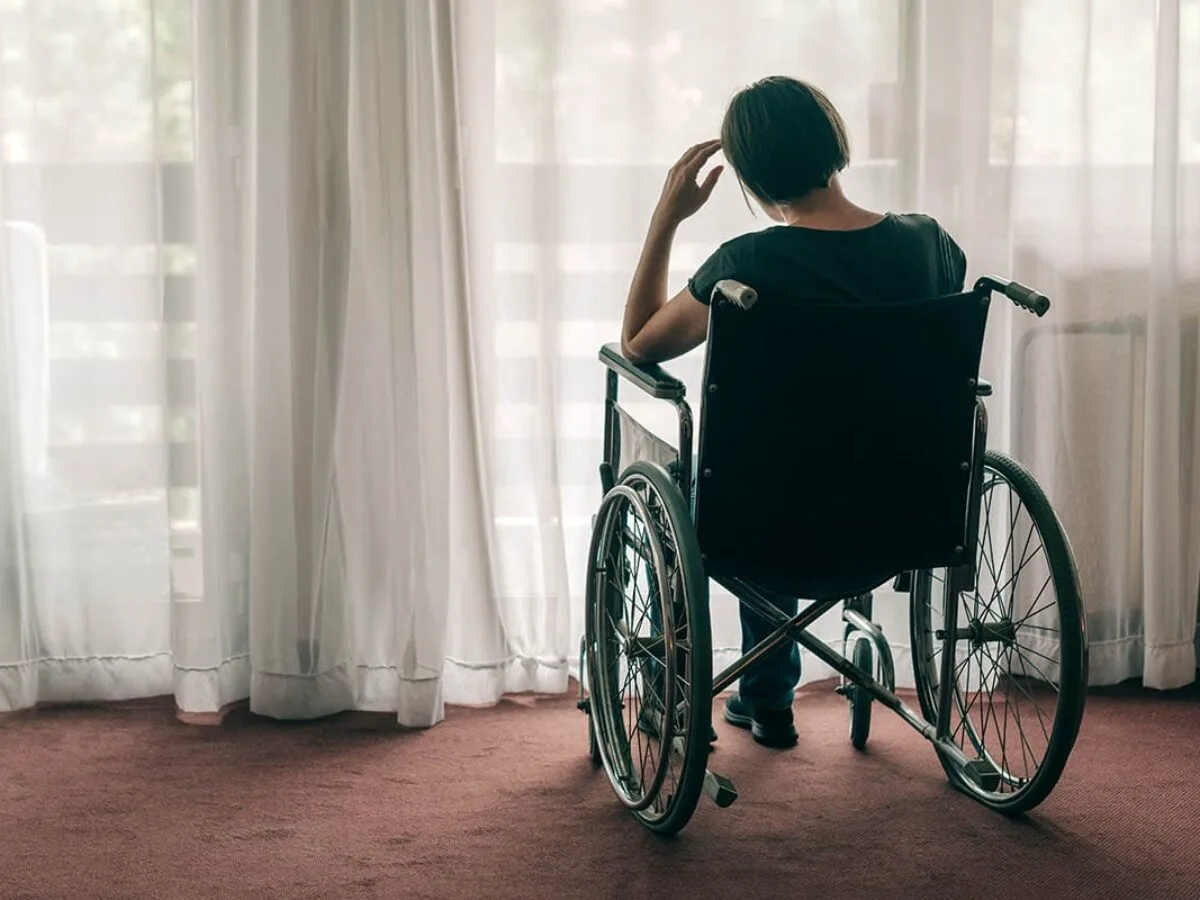
When we talk about physical limitations, we often focus on muscles, joints, and balance.
But underneath those physical changes, there’s often something quieter happening.
Grief.
Frustration.
Fear.
Embarrassment.
Loss of identity.
And for many older adults across Grand Rapids and West Michigan, the emotional side of physical change is actually harder than the physical side.
Yet it’s rarely talked about.
The Quiet Grief of “I Used to Be Able To…”
Many people don’t just miss the activity — they miss what it represented.
“I used to garden all afternoon.”
“I used to travel without thinking about stairs.”
“I used to play on the floor with my grandkids.”
Physical limitations can feel like a loss of freedom. A loss of spontaneity. A loss of identity.
And that grief is real.
Ignoring it doesn’t make it go away. It often shows up as withdrawal, irritability, or fear of trying again.
Why Emotional Health Affects Physical Progress
The nervous system doesn’t separate physical and emotional experiences.
When someone feels:
- Fearful
- Discouraged
- Ashamed
- Like a burden
Their body often responds by tightening, guarding, and moving cautiously.
This can lead to:
- Slower gait
- Reduced balance reactions
- Increased fall risk
- Avoidance of movement
Addressing the emotional component of physical change is not “extra” — it’s essential.
The Burden Narrative
One of the most common phrases I hear from older adults in physical therapy is:
“I don’t want to be a burden.”
This belief can lead to:
- Avoiding asking for help
- Minimizing symptoms
- Skipping necessary care
- Pushing too hard
But here’s the truth:
Needing support at different stages of life is human — not burdensome.
Reframing support as partnership instead of dependence can change how someone approaches recovery.
Identity and Independence
For many people over 55, independence is deeply tied to identity.
Driving.
Shopping.
Managing the home.
Caring for others.
When physical limitations threaten independence, it can feel like losing a piece of yourself.
But independence doesn’t disappear overnight.
Often, it evolves.
With the right strength, balance training, and guidance, many older adults regain abilities they thought were gone.
Why Compassion Improves Outcomes
Research consistently shows that when individuals feel heard and supported, they:
- Participate more fully in therapy
- Stay consistent with exercises
- Recover faster
- Maintain gains longer
Compassion isn’t soft — it’s effective.
When older adults in Grand Rapids, MI feel respected in their journey, they engage differently. They try again. They take ownership. They build resilience.
Movement as Emotional Regulation
Movement doesn’t just strengthen muscles.
It:
- Improves mood
- Reduces anxiety
- Regulates stress hormones
- Builds self-efficacy
Even gentle movement can shift someone from feeling stuck to feeling capable.
That emotional shift often precedes physical progress.
Why In-Home Physical Therapy Supports Emotional Safety
Being treated at home reduces:
- Social comparison
- Intimidation
- Performance pressure
It allows therapy to happen in a familiar, comfortable environment.
For many adults throughout West Michigan, this setting makes it easier to open up about fears and frustrations — and that honesty accelerates healing.
You Are Not Weak for Feeling This Way
Physical limitations can stir up complex emotions.
Feeling frustrated, scared, or sad does not mean you’re weak.
It means you care about your independence. Your life. Your relationships.
Those feelings are worth acknowledging — and supporting.
A Gentle Invitation
If physical changes have affected more than just your body — if they’ve affected your confidence or sense of self — you don’t have to carry that alone.
At Vitality At Home, we provide compassionate, one-on-one, in-home physical therapy for older adults throughout Grand Rapids and West Michigan, supporting both the physical and emotional sides of recovery.
📞 Call 616-644-9155 to schedule a 1:1 session when you’re ready.