Incontinence Treatment in Grand Rapids
Bladder leaks are common. They are not normal, and they are not something you simply have to accept. Incontinence is treatable at any age, discreetly, in the privacy of your own home.
What causes incontinence?
Urinary incontinence, any leaking of urine you did not choose, is incredibly common, especially in the years around and after menopause. Here is what most people are never told: common does not mean normal, and it does not mean permanent. Leaking almost always comes back to how well your pelvic floor muscles support your bladder and coordinate with the rest of your core. Those muscles can be retrained, gently and privately, and that is exactly what pelvic floor therapy does.

When you leak with a cough, sneeze, laugh, or lift, that is stress incontinence. The pelvic floor muscles that should brace and hold the bladder closed under pressure have lost strength or coordination. Age, prior surgery, and time all contribute. The good news is that these muscles respond to training just like any other muscle in your body.
Sometimes the bladder signals a sudden, urgent need to go, and you leak before you can reach the bathroom. This is urge incontinence, driven by the bladder muscle contracting when it should stay relaxed. Retraining the bladder and calming the pelvic floor can restore control and put an end to those frantic dashes.
As estrogen drops around menopause, the tissues of the pelvic floor and bladder become thinner and less supportive. Leaking that appears or worsens in midlife is common for exactly this reason. Targeted strengthening and coordination work help the muscles compensate and hold up under pressure again.
Not all incontinence is weakness. Sometimes the pelvic floor is chronically tight and cannot relax or contract properly. In that case, endless Kegels can actually make things worse. This is why a proper assessment matters: we treat what is truly happening, not what everyone assumes is the problem.
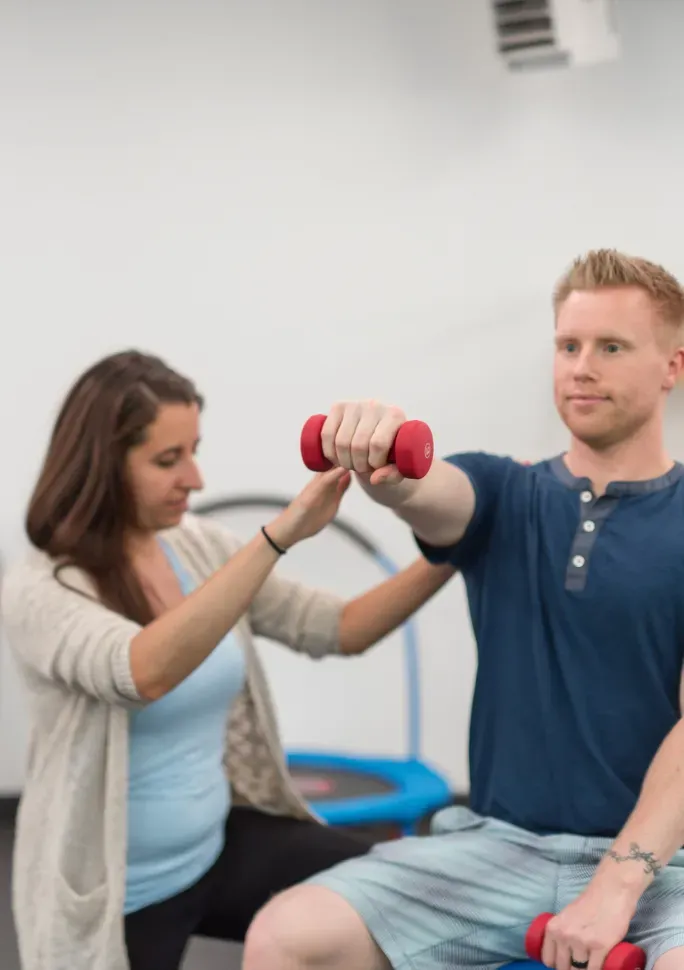
How physical therapy in Grand Rapids helps.
Pelvic floor therapy is skilled physical therapy for the muscles that support your bladder, and it is the most effective, least invasive way to treat incontinence. We start by figuring out what is really driving your leaks, whether the pelvic floor is weak, tight, or simply not coordinating with your breath and core. Then we build a plan that retrains those muscles to do their job again. This is not just endless Kegels. It is coordination, strength, bladder retraining, and practical strategies for the moments that catch you off guard. Because we come to your home, the whole process is private and comfortable. There is no clinic waiting room and no stranger walking past, just one licensed therapist, one-on-one, for the full session, in the place where you actually live. You do not need a referral to begin, and we will help you understand your coverage first. Most people are surprised how much can change, and how quickly they stop planning their day around the nearest bathroom.
What to expect from your recovery.
A private, thorough evaluation
We talk through your history and symptoms, then assess how your pelvic floor and core are working together. Everything happens discreetly in your own home, at your pace, with your comfort and dignity first.
Retraining the pelvic floor and bladder
We build a personalized program of pelvic floor coordination, strengthening or relaxation, and bladder retraining. You learn to control the muscles that control your bladder, plus strategies for coughs, sneezes, and sudden urges.
Confidence and lasting control
As leaks decrease, we help you carry the results into everyday life: exercise, travel, and laughing with friends, all without worry. You leave with a simple routine that keeps your progress going for good.
Incontinence is common, but it is not something you have to just live with. Most patients are surprised by how much changes with the right pelvic floor plan.
Care for the whole you.


Balance & Gait Disorders
Improve steadiness and walking so you move through your day with less fear of falling.

Fibromyalgia
A gentle, whole-body plan for widespread pain and fatigue, built around you.
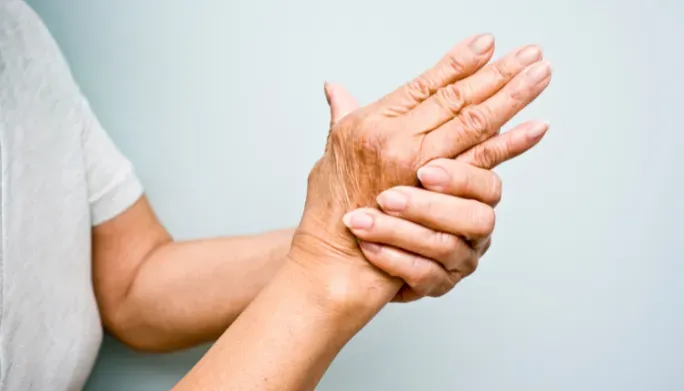
Arthritis
Ease stiff, aching joints and keep moving with targeted exercise and hands-on care.