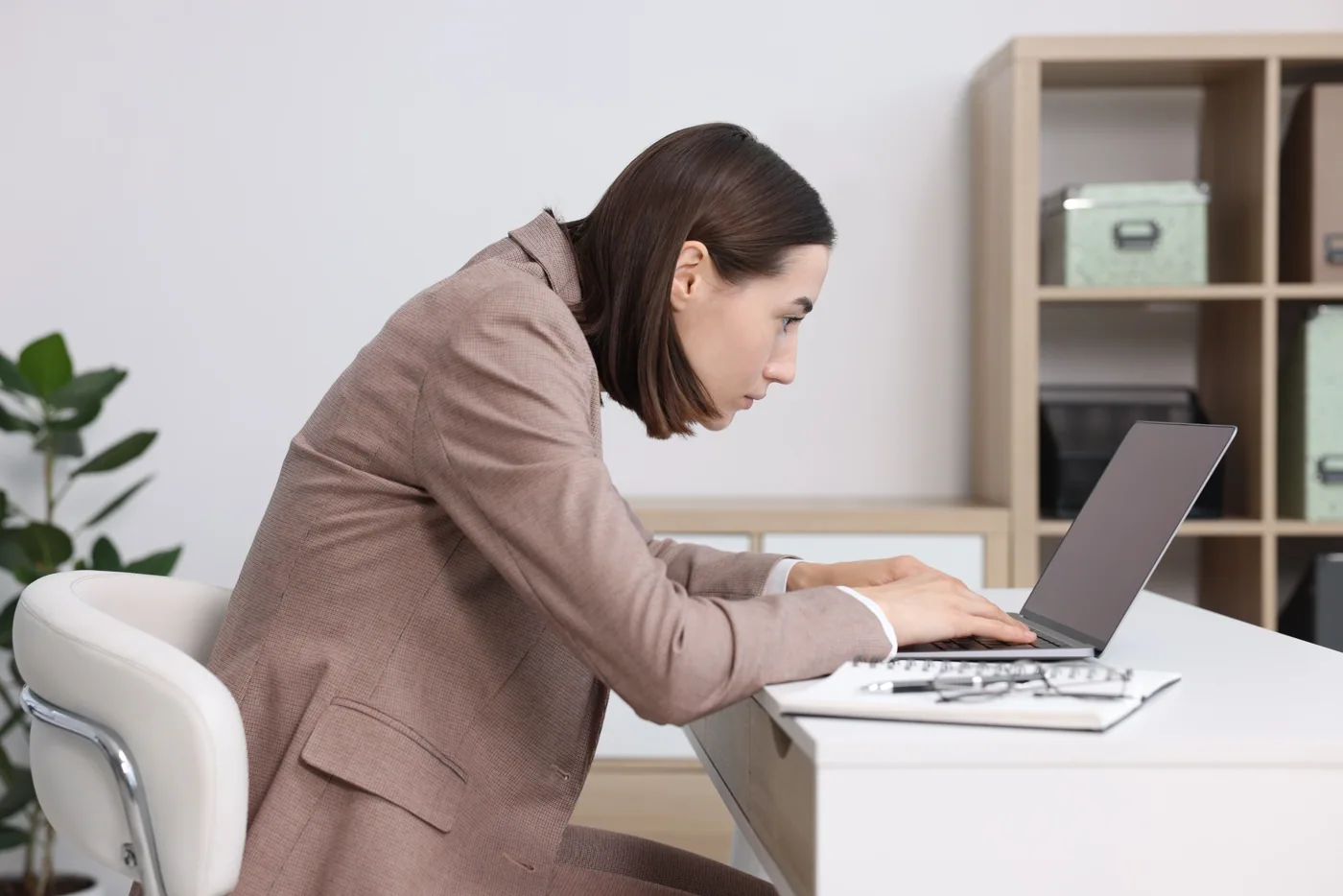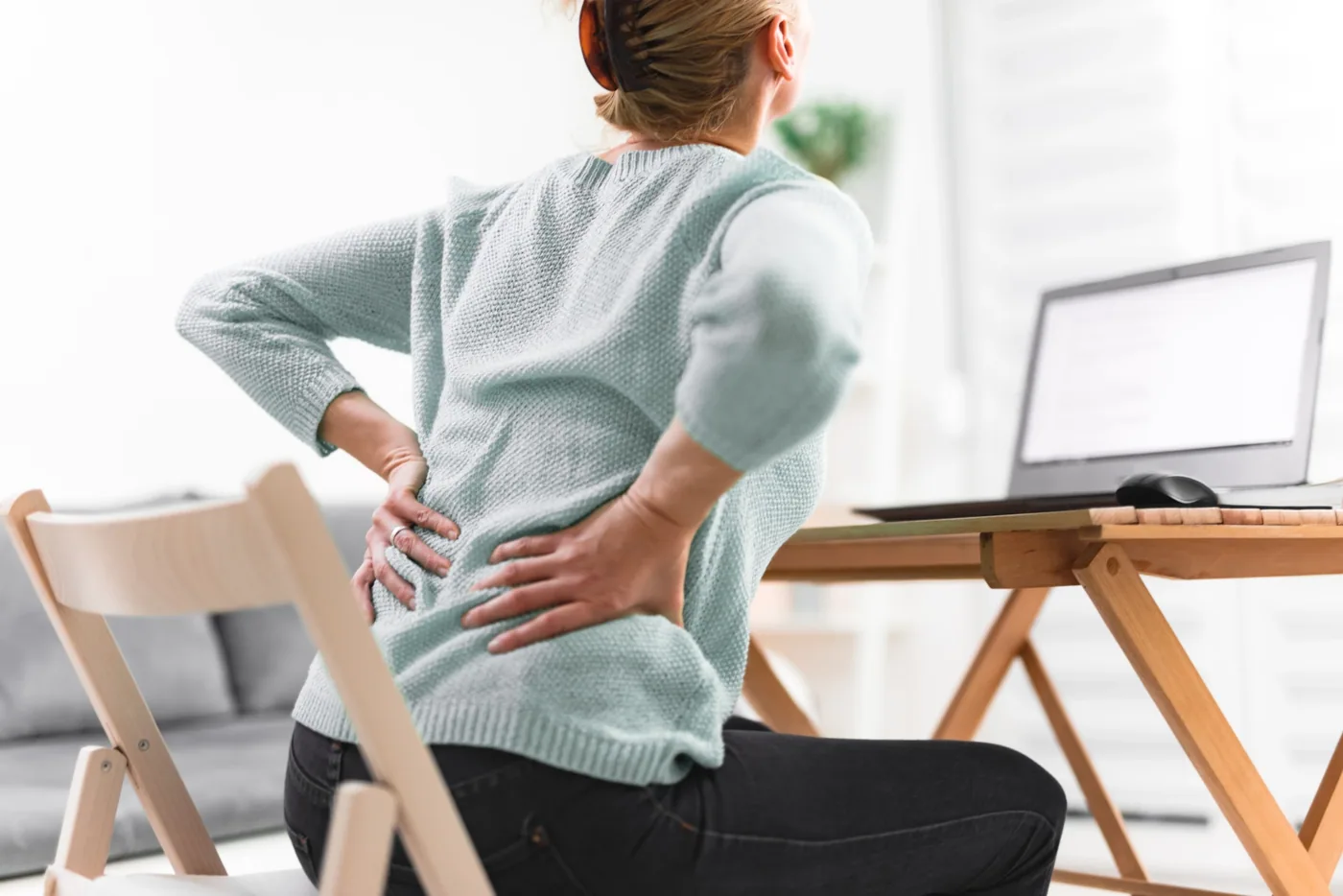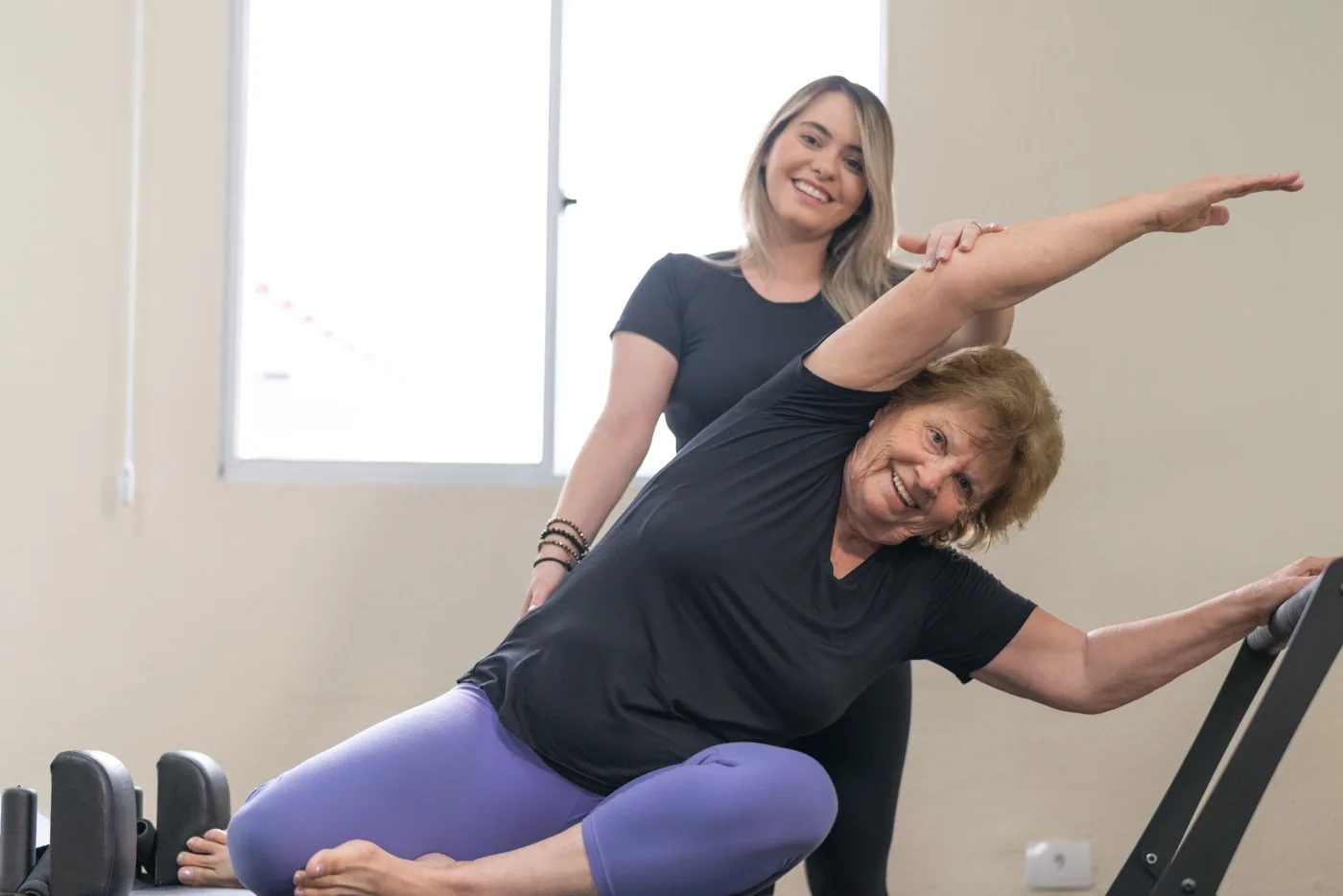
Most people do not think much about alignment until something starts hurting.
A stiff neck.
A sore back.
An irritated hip.
Achy knees.
Balance changes.
Walking fatigue.
Reduced confidence with movement.
At first, many adults assume these changes are simply part of aging.
But often, the issue is not age itself.
It is how the body is adapting to years of movement patterns, posture habits, strength imbalances, stiffness, stress, and accumulated wear and tear.
At Vitality At Home Physical Therapy in Grand Rapids, we frequently work with active adults who want to stay strong, independent, mobile, and physically capable for decades to come.
One of the most important things we focus on is alignment.
Not “perfect posture.”
Not rigid positioning.
Not forcing the body into unnatural positions.
Real alignment is about how efficiently your body moves, absorbs force, maintains balance, and distributes stress throughout daily life.
And after 50, that becomes increasingly important.
Because the body becomes less tolerant of inefficient movement patterns over time.
Alignment Is About Efficiency, Not Perfection
When people hear the word “alignment,” they often picture standing perfectly straight with shoulders pulled back and stomach tight.
But true alignment is much more dynamic than that.
Alignment is really about how the body organizes itself during movement.
Healthy alignment allows:
- Joints to share load efficiently
- Muscles to work together appropriately
- The body to absorb force effectively
- Movement to feel smoother and less stressful
- Balance reactions to occur naturally
- Energy to be used more efficiently
Poor alignment does not necessarily mean something is structurally wrong.
It often means the body has gradually adapted to:
- Repetitive positions
- Weakness
- Mobility restrictions
- Pain compensation
- Stress patterns
- Sedentary habits
- Previous injuries
- Reduced movement variability
The body is incredibly adaptable.
But over time, those adaptations can start creating excessive stress in certain areas.
That stress often shows up as pain, stiffness, fatigue, instability, or decreased movement confidence.
Why Alignment Matters More With Age
In our 20s and 30s, the body often compensates remarkably well.
You can sit poorly, move inefficiently, skip recovery, and still function reasonably well because the body has a large reserve capacity.
After 50, however, several things naturally begin changing:
- Recovery slows
- Muscle mass declines
- Joint mobility decreases
- Tendons become less elastic
- Balance reactions slow
- Strength asymmetries increase
- Movement variability decreases
This means the body has less margin for inefficient movement patterns.
Compensations that once caused no symptoms may now begin creating:
- Joint irritation
- Muscle overuse
- Reduced endurance
- Walking fatigue
- Balance changes
- Chronic tightness
- Movement hesitation
In other words, the body becomes less forgiving of poor movement efficiency over time.
That is why alignment matters more — not because aging means inevitable decline, but because movement quality becomes increasingly important for long-term function.
The Body Is a Chain, Not Isolated Parts
One of the biggest misconceptions about pain is the idea that the painful area is always the true problem.
In reality, the body functions as an interconnected system.
For example:
- Limited ankle mobility may affect knee loading.
- Weak glutes may increase low back strain.
- Thoracic stiffness may contribute to neck pain.
- Reduced hip mobility may alter walking mechanics.
- Poor rib cage movement may increase shoulder tension.
The body constantly redistributes force based on available mobility and stability.
When one area stops contributing effectively, another area compensates.
At first, compensation is helpful.
But over time, excessive compensation often creates overload.
That overload is where many chronic aches and pains begin.
Alignment Affects Walking More Than People Realize
Walking is one of the most repetitive activities humans perform.
Small inefficiencies repeated thousands of times per day matter.
When alignment changes, walking mechanics often change too.
This may include:
- Shortened stride length
- Reduced arm swing
- Increased trunk stiffness
- Leaning forward while walking
- Shuffling patterns
- Decreased push-off strength
- Reduced balance confidence
Many adults do not notice these changes immediately because they develop gradually.
But over time, walking may begin feeling:
- Less fluid
- More tiring
- Less stable
- More effortful
Eventually, people often start limiting activity without fully realizing why.
This is one reason movement assessments are so valuable.
Walking reveals a tremendous amount about how the body is functioning overall.
Poor Alignment Often Increases Energy Expenditure
One of the most overlooked effects of inefficient movement is fatigue.
When the body is poorly aligned, muscles often work harder than necessary to stabilize and move the body.
This creates unnecessary energy expenditure.
For example:
- Tight shoulders may overwork during breathing
- Stiff hips may force the low back to compensate
- Reduced rotation may increase muscular tension
- Poor balance may create excessive muscle guarding
- Forward posture may overload the neck and upper back
Over time, many adults simply feel physically exhausted by everyday activity.
Not because they are lazy.
Not because they are weak.
But because the body is moving inefficiently.
Improving alignment often improves energy conservation dramatically.
Balance Is Deeply Connected to Alignment
Balance is not just about the feet.
It depends on how the entire body organizes itself in space.
When alignment changes:
- Weight shifting becomes less efficient
- Reaction times slow
- Visual orientation changes
- Muscle activation patterns adapt
- Confidence decreases
Many adults then become more cautious with movement.
Unfortunately, guarded movement patterns often create even more stiffness and instability over time.
The body begins moving less fluidly and more rigidly.
This is why physical therapy focused on alignment often improves balance naturally — not by simply practicing standing exercises, but by improving how the body moves as a whole.
Alignment and Breathing Are Closely Connected
Breathing mechanics are one of the most overlooked components of alignment.
When posture becomes compressed or rigid:
- Rib cage mobility decreases
- Diaphragm function changes
- Neck muscles become overactive
- Core coordination decreases
- Shoulder tension increases
Many adults unknowingly breathe using their neck and shoulders all day long.
This contributes to:
- Neck tightness
- Shoulder fatigue
- Poor postural endurance
- Increased muscle tension
- Reduced movement efficiency
The body functions best when breathing, posture, mobility, and movement coordination work together.
Strength Matters — But Strategic Strength Matters More
Many adults assume alignment problems simply mean they need to strengthen their core.
But alignment is not about aggressively tightening muscles.
It is about coordinated strength.
The body needs:
- Mobility in the right places
- Stability in the right places
- Rotational control
- Postural endurance
- Breathing coordination
- Efficient weight transfer
- Balanced muscle contribution
Sometimes muscles are weak.
Sometimes they are overworking.
Sometimes they are simply compensating for something else.
This is why individualized assessment matters so much.
The goal is not forcing the body into perfect posture.
The goal is helping the body move more efficiently and sustainably.
Small Changes Add Up Over Time
Many people expect improvement to come from one big intervention.
But often, the body changes through small consistent inputs.
Improvement may come from:
- Walking more efficiently
- Restoring thoracic mobility
- Improving hip extension
- Strengthening glutes
- Breathing more effectively
- Changing prolonged positions more frequently
- Improving balance reactions
- Building postural endurance
- Restoring rotational movement
Small changes repeated consistently create long-term resilience.
The Goal Is Longevity, Not Just Pain Relief
At Vitality At Home, our goal is not simply reducing pain.
It is helping adults maintain the physical capacity to continue doing the things they love:
- Traveling
- Exercising
- Golfing
- Pickleball
- Gardening
- Walking confidently
- Keeping up with grandkids
- Living independently
- Staying active in the community
Alignment matters because movement quality affects long-term independence.
The better the body moves, the more freedom people tend to maintain as they age.
You Are Not Supposed to Feel Like Your Body Is Fighting You
This is important.
Many adults assume stiffness, heaviness, instability, and movement fatigue are unavoidable parts of aging.
But often, the body simply needs:
- Better movement options
- Improved mobility
- Strategic strength
- Reduced compensation
- Better coordination
- More movement variability
The body is remarkably adaptable at every age.
And when alignment improves, movement often becomes easier, lighter, and more confident again.
Looking for Help With Posture, Alignment, or Movement Issues in Grand Rapids?
At Vitality At Home Physical Therapy, we help active adults throughout the Grand Rapids area improve mobility, balance, strength, posture, and movement efficiency so they can stay active and independent for years to come.
Our approach focuses on how the entire body works together — because better alignment supports better movement, and better movement supports a better life.
Because living your best life never gets old.
Call us today at 616-414-2271 to schedule an evaluation and learn how physical therapy can help you move with greater strength, confidence, and freedom.