When most people hear the phrase “core strength,” they immediately think of ab workouts.
Crunches.
Planks.
Sit-ups.
Six-pack abs.
But true core strength has very little to do with how your stomach looks — and far more to do with how your body functions.
At Vitality At Home Physical Therapy in Grand Rapids, we often work with active adults who are frustrated by:
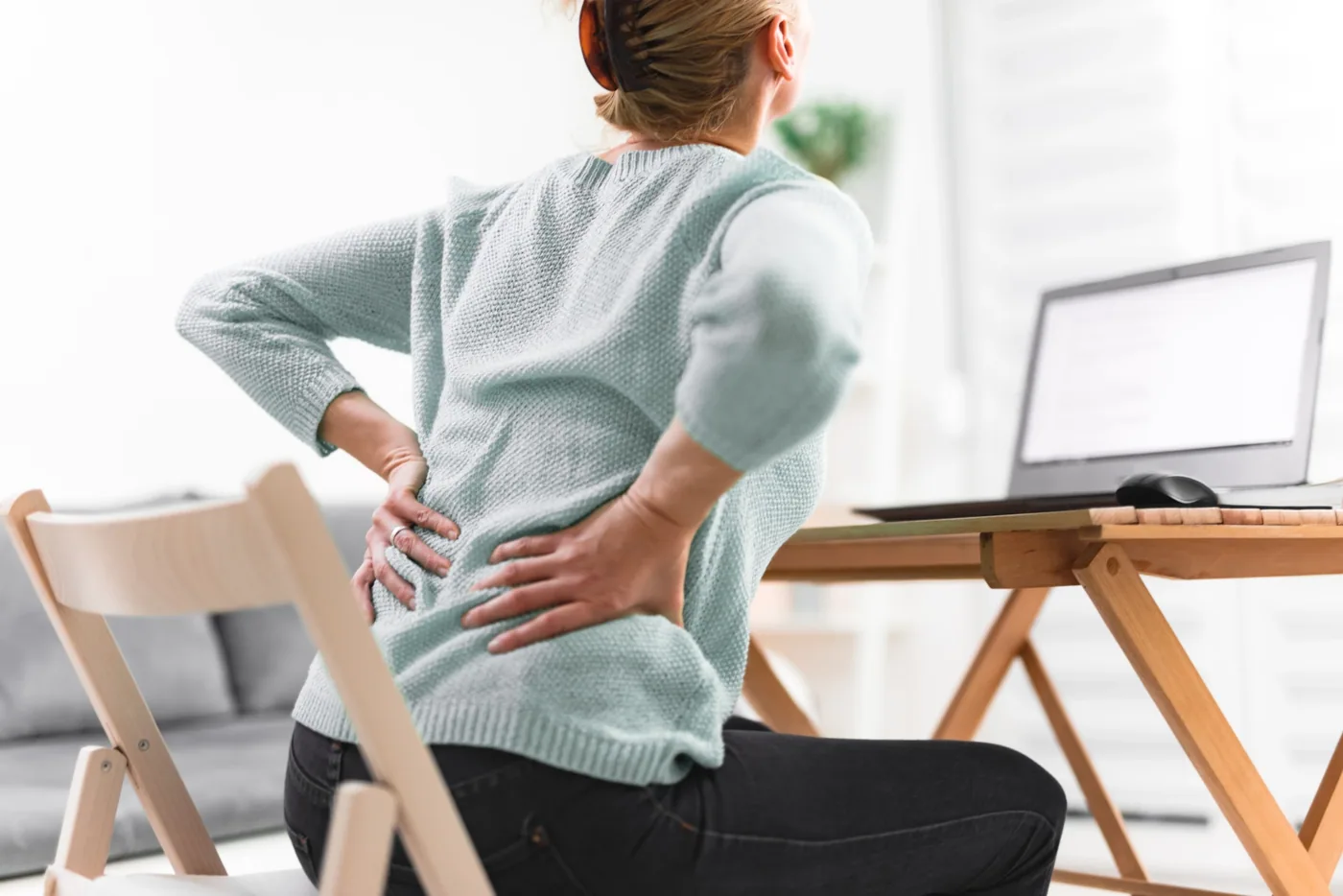
- Back pain
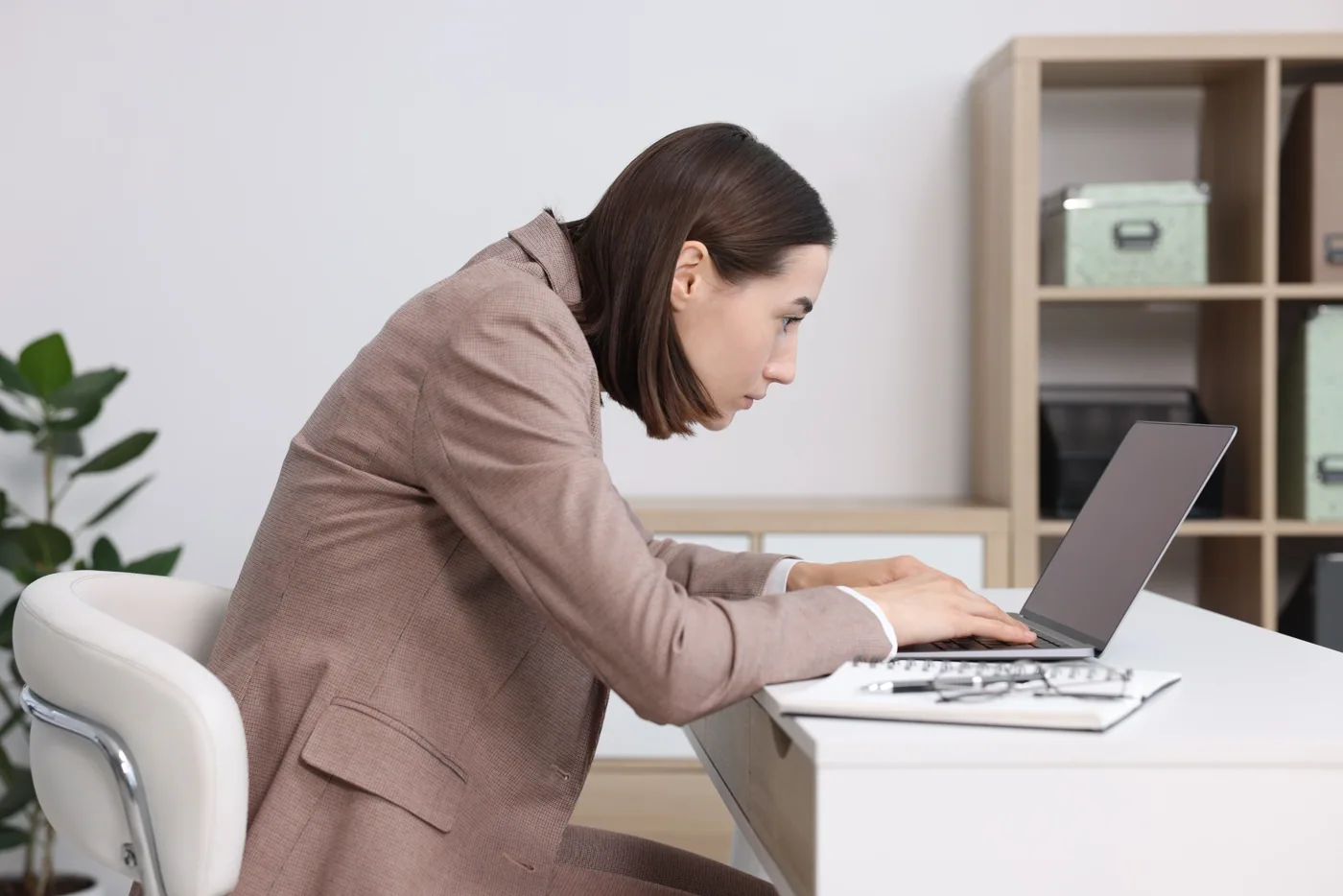
- Poor posture
- Balance changes
- Hip discomfort
- Walking fatigue
- Neck tension
- Reduced stability
- Difficulty exercising comfortably
Many have tried traditional “core exercises” without much lasting improvement.
That is because the core is not simply a group of abdominal muscles.
It is an entire pressure-management and movement coordination system that affects nearly everything your body does.
Walking.
Breathing.
Balancing.
Lifting.
Rotating.
Standing.
Getting off the floor.
Even feeling physically stable and confident throughout the day.
And after 50, understanding how the core truly works becomes even more important.
Because the body becomes less tolerant of inefficient movement patterns over time.
Your Core Is Designed to Transfer Force
The core is not meant to simply “hold your stomach tight.”
Its real job is to:
- Stabilize the spine
- Transfer force between the upper and lower body
- Coordinate breathing and movement
- Manage pressure throughout the trunk
- Maintain balance during movement
- Help the body respond to changing demands
In other words, the core acts more like a dynamic support system than a rigid brace.
Healthy core function allows the body to move efficiently while still feeling stable.
That stability should feel natural and adaptable — not stiff and forced.
Why Traditional Ab Exercises Often Miss the Point
Many adults have spent years being told to:
- “Tighten your abs.”
- “Pull your belly button in.”
- “Brace your core.”
- “Do more crunches.”
While those exercises may strengthen certain muscles, they do not necessarily improve functional core coordination.
In fact, excessive bracing can sometimes increase:
- Neck tension
- Breath holding
- Pelvic floor pressure
- Back stiffness
- Hip overuse
- Movement rigidity
The body was not designed to move while constantly holding tension.
Real-life movement requires the core to respond dynamically.
Think about walking.
Your body is constantly:
- Rotating
- Shifting weight
- Reacting to balance changes
- Coordinating breathing
- Transferring force between limbs
That requires coordination, not just muscular tension.
Breathing Is One of the Most Important Core Functions
This is one of the most overlooked concepts in healthcare and fitness.
Your diaphragm is a core muscle.
Every breath you take directly affects:
- Spinal stability
- Rib cage positioning
- Pressure management
- Pelvic floor function
- Muscle activation patterns
- Postural control
When breathing mechanics become inefficient, the body often compensates by overusing:
- Neck muscles
- Hip flexors
- Low back muscles
- Upper traps
- Abdominal gripping
Many adults unknowingly spend the day breathing shallowly through the chest while holding excessive tension through the trunk.
This creates a body that feels:
- Tight
- Stiff
- Fatigued
- Guarded
- Unstable
Ironically, many people trying hardest to “strengthen their core” are actually over-bracing and reducing the body’s natural movement efficiency.
Core Strength Is About Pressure Management
One of the core’s most important jobs is managing pressure throughout the trunk.
Every time you:
- Lift groceries
- Stand up from a chair
- Walk upstairs
- Carry a grandchild
- Push a lawn mower
- Exercise
- Roll in bed
…your body must manage internal pressure efficiently.
When that pressure system is not functioning well, the body often compensates elsewhere.
This may contribute to:
- Back pain
- Pelvic floor dysfunction
- Hernias
- Neck tension
- Hip tightness
- Balance changes
- Movement hesitation
The body begins working harder than necessary to create stability.
Over time, this creates fatigue and overload.
The Core Is Much Bigger Than Your Abs
The core includes far more than the “six-pack” muscles.
It involves coordination between:
- Diaphragm
- Pelvic floor
- Deep spinal stabilizers
- Abdominal muscles
- Rib cage
- Hips
- Glutes
- Thoracic spine
This entire system must work together.
If one area stops contributing effectively, the body compensates elsewhere.
For example:
- Poor rib cage mobility may increase low back strain.
- Weak glutes may increase abdominal gripping.
- Limited thoracic rotation may alter breathing mechanics.
- Hip stiffness may reduce pelvic control during walking.
This is why isolated ab exercises often fail to solve functional movement problems.
The body moves as a system.
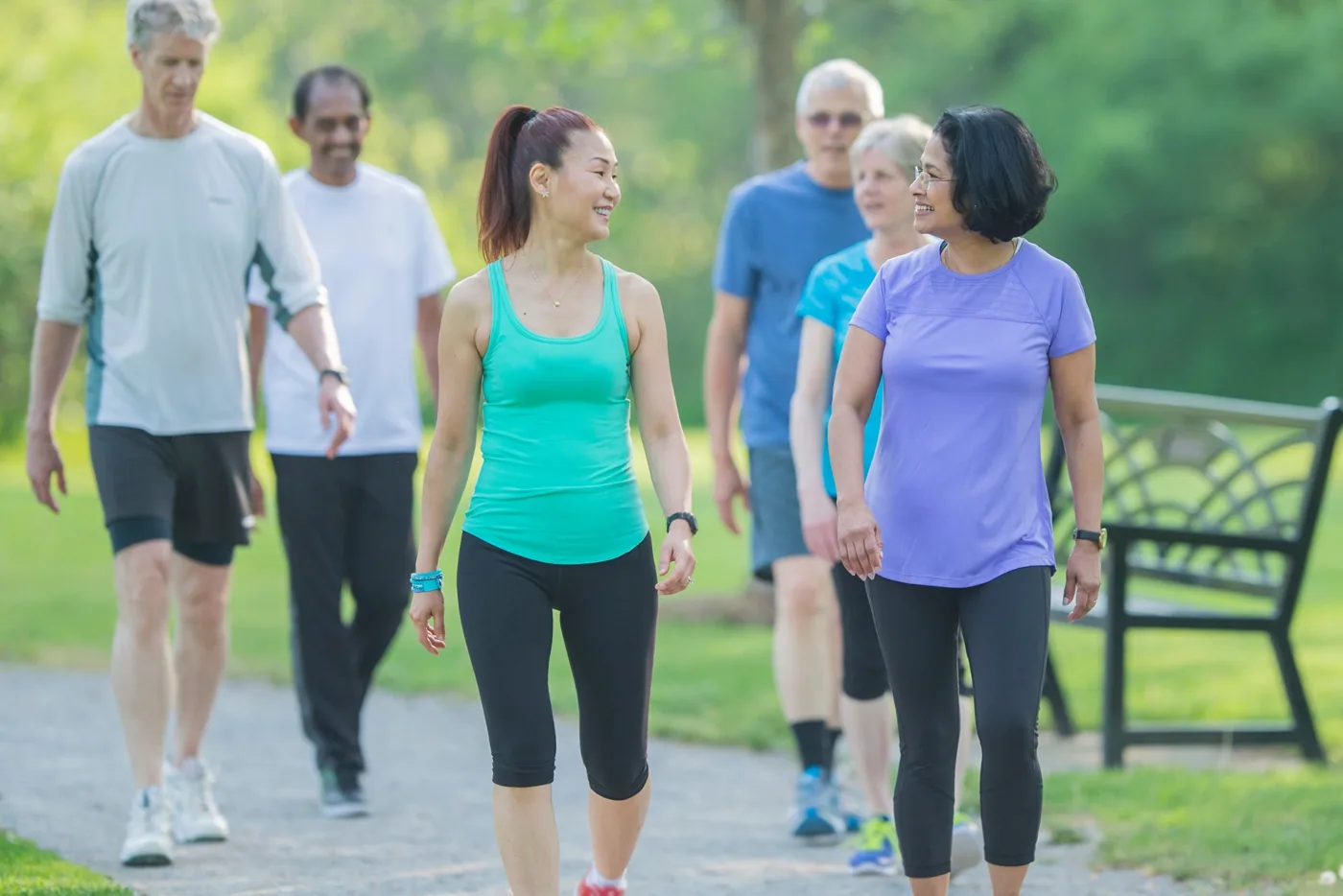
Walking Is a Core Exercise
This surprises many people.
But walking is one of the most functional core activities humans perform.
Efficient walking requires:
- Rotational control
- Weight shifting
- Balance reactions
- Pressure management
- Arm swing coordination
- Pelvic control
- Breathing coordination
When the core is functioning poorly, walking often becomes:
- More rigid
- Less efficient
- More fatiguing
- Less stable
People may notice:
- Shortened stride length
- Reduced trunk rotation
- Low back tightness
- Increased shoulder tension
- Feeling unsteady
- Difficulty walking longer distances
This is one reason physical therapy often focuses heavily on gait mechanics when addressing “core weakness.”
Why the Body Often Feels Tight Instead of Weak
Many adults assume their body simply lacks strength.
But often, the body feels tight because it is overworking to create stability.
Muscles may become tense because:
- Other muscles are not contributing effectively
- Breathing mechanics are poor
- Movement variability is limited
- Balance confidence has decreased
- The nervous system is in a protective state
In other words, the body is trying to create safety.
Aggressively stretching or strengthening one isolated area without addressing the full movement system often creates only temporary improvement.
Balance and Core Function Are Closely Connected
The core plays a major role in balance.
Every time the body experiences movement or instability, the core must respond automatically to maintain control.
When core coordination decreases:
- Balance reactions slow
- Walking becomes less fluid
- Confidence decreases
- Fear-based movement patterns increase
- The body becomes more rigid
Many adults then begin avoiding certain movements or activities.
Unfortunately, this often accelerates stiffness and deconditioning further.
Improving core coordination frequently improves balance naturally because the body becomes more adaptable and responsive again.
More Exercise Is Not Always the Answer
This is important.
Many active adults already exercise regularly.
Yet they still feel:
- Tight
- Unstable
- Fatigued
- Stiff
- “Off”
Sometimes the issue is not a lack of exercise.
Sometimes the body simply needs more efficient movement strategies.
The goal is not endless abdominal exercises.
The goal is helping the body:
- Coordinate movement efficiently
- Transfer force effectively
- Breathe properly
- Reduce unnecessary tension
- Improve movement variability
- Build sustainable strength
Quality matters more than quantity.
What Physical Therapy Actually Looks At
At Vitality At Home, we evaluate far more than abdominal strength.
Assessment often includes:
- Breathing mechanics
- Rib cage mobility
- Walking mechanics
- Rotational control
- Hip mobility
- Balance reactions
- Postural endurance
- Pressure management
- Functional movement patterns
- Transitional movements
- Whole-body coordination
Many adults are surprised to discover their “core issue” may actually involve:
- Breathing
- Hip stiffness
- Thoracic immobility
- Balance deficits
- Over-bracing
- Poor movement variability
The body is rarely as isolated as it seems.
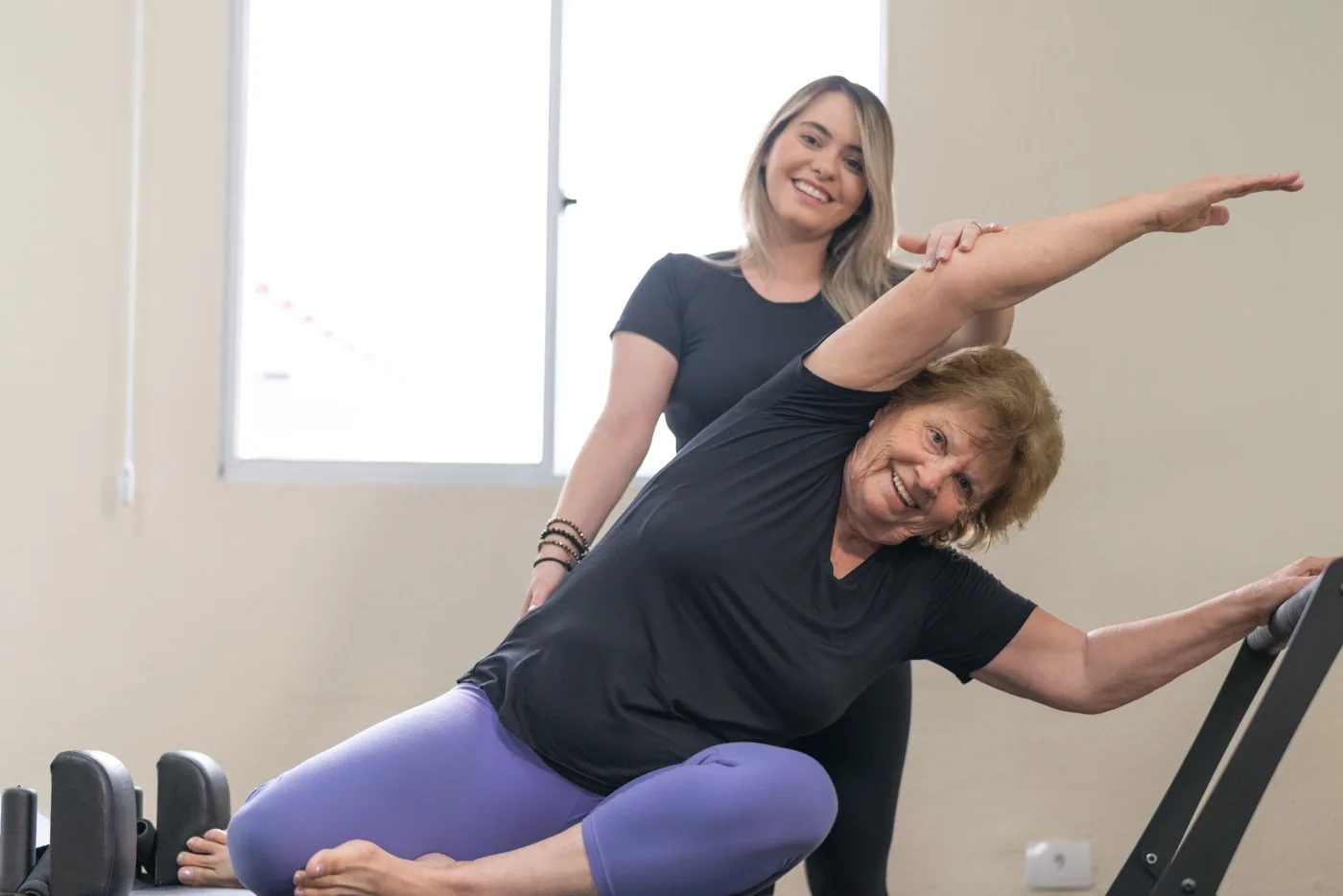
Functional Core Training Looks Different
Real-world core training may include:
- Walking drills
- Rotational movements
- Balance training
- Carrying exercises
- Breathing retraining
- Hip strengthening
- Transitional movement practice
- Postural endurance work
- Controlled weight shifting
The goal is helping the body become stronger and more adaptable during everyday life — not simply during workouts.
The Goal Is Feeling Strong and Capable Again
Most adults do not care about six-pack abs.
They want to:
- Move confidently
- Lift things without fear
- Walk comfortably
- Improve posture
- Reduce pain
- Maintain independence
- Exercise safely
- Travel
- Stay active
- Keep doing what they love
That is what true core function supports.
Not aesthetics.
Function.
Your Body Was Designed to Move, Not Brace Constantly
This is one of the biggest mindset shifts we help people make.
The body functions best when it can:
- Breathe efficiently
- Rotate naturally
- Shift weight fluidly
- Respond to movement demands
- Create stability without excessive tension
Core strength is not about holding yourself rigid.
It is about creating movement confidence.
Looking for Help With Core Strength, Balance, or Back Pain in Grand Rapids?
At Vitality At Home Physical Therapy, we help active adults throughout the Grand Rapids area improve strength, mobility, posture, balance, and movement efficiency so they can continue doing the things they love with greater confidence and less pain.
Our approach focuses on functional movement and whole-body coordination — because true strength is about how well your body works together.
Because living your best life never gets old.
Call us today at 616-414-2271 to schedule an evaluation and learn how physical therapy can help you move stronger, steadier, and more confidently.