


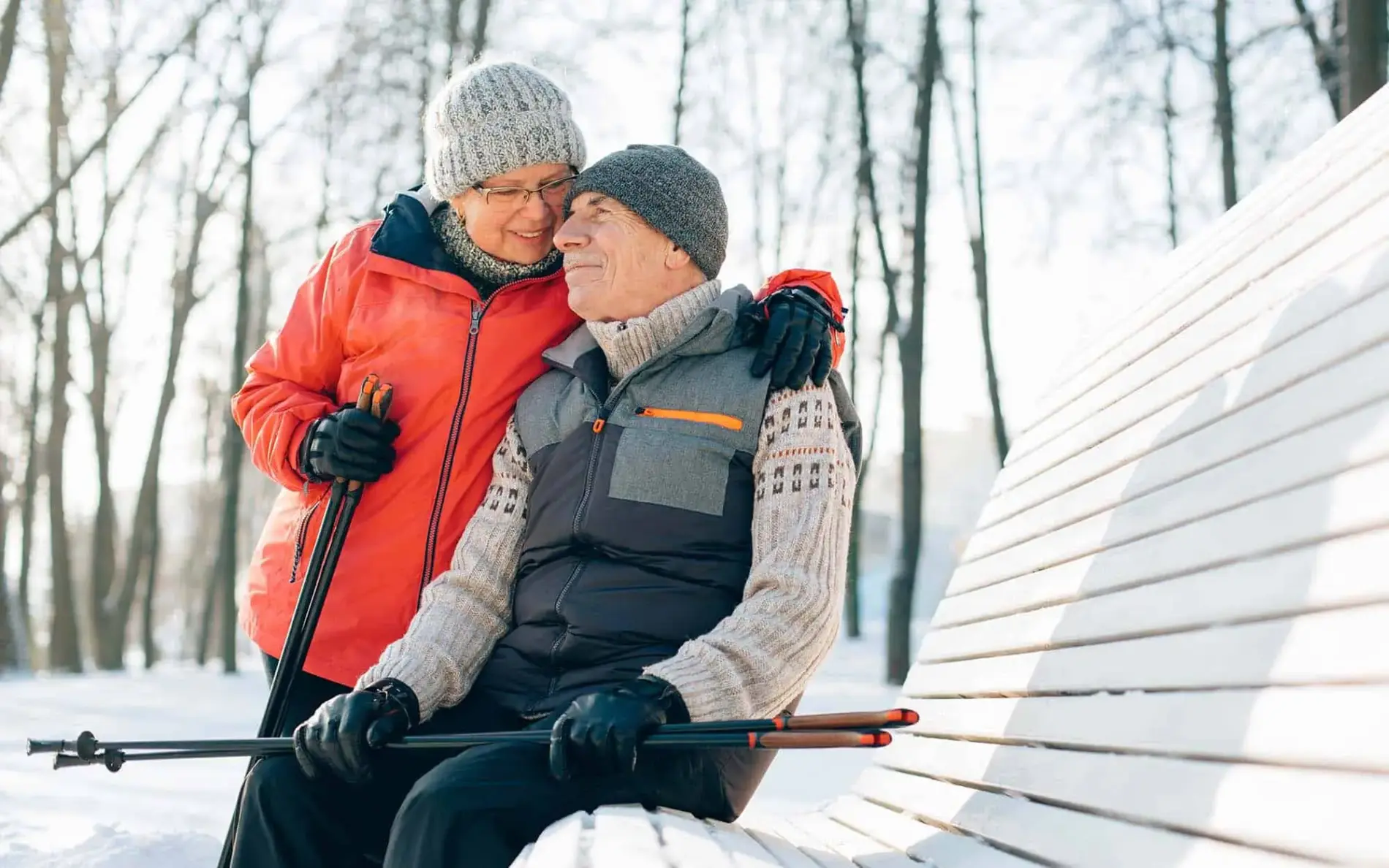
Here’s the good news: falls are not inevitable.
The key to winter safety isn’t fear, restriction, or staying inside until spring. It’s preparation—understanding what changes in winter, how your body responds, and what you can do to stay steady and confident through the colder months.
Why Winter Increases Fall Risk
Winter changes the environment and the body in subtle but important ways. Many falls happen not because someone is careless, but because winter stacks multiple challenges on top of each other.
Cold Affects Muscles and Joints
Cold temperatures can make muscles feel stiffer and joints less mobile, especially first thing in the morning or after sitting. Stiffness can delay reaction time, making it harder to recover from a slip or misstep.
Snow and Ice Create Unpredictable Surfaces
Even when sidewalks look clear, ice can hide beneath a dusting of snow or appear in shaded areas. Black ice is especially dangerous because it’s nearly invisible.
Footwear and Clothing Change Movement
Winter boots, thick coats, and multiple layers can alter posture and balance. Heavy boots may reduce ankle movement, and bulky clothing can shift your center of gravity without you realizing it.
Reduced Daylight Affects Visibility and Energy
Shorter days mean more trips taken in low light. Fatigue can also increase during winter months, which impacts focus, reaction time, and balance.
Activity Levels Often Drop
Many people move less in winter, which leads to:
- Decreased leg strength
- Reduced balance confidence
- Slower reaction times
This combination creates a higher fall risk just when surfaces become more challenging.
Understanding Falls: It’s Not Just the Surface
One of the biggest myths about winter falls is that ice alone causes them. In reality, most falls happen because the body isn’t prepared to respond when a slip occurs.
Two people can step on the same icy patch:
- One regains balance easily
- The other falls
The difference is physical readiness—strength, balance reactions, coordination, and confidence.
Practical Ways to Reduce Winter Fall Risk
Let’s start with simple, practical strategies that make a meaningful difference.
1. Choose Footwear Wisely
In especially icy conditions, traction devices can provide added security. Products like Yaktrax fit over your shoes or boots and are designed to improve grip on snow- and ice-covered surfaces. While no device makes ice completely risk-free, added traction can give your feet a better chance to stay grounded—especially during short outdoor walks, trips to the mailbox, or navigating parking lots.
What to look for:
- Deep, textured tread
- Firm heel support
- A sole that bends slightly at the toes but is stable through the midfoot
What to avoid:
- Smooth or worn soles
- Backless shoes or clogs
- Shoes that are too loose
If possible, keep a separate pair of indoor shoes at places you visit often. Wet boots on smooth floors can be just as risky as ice outside.
2. Give Yourself Time
Rushing is one of the biggest contributors to winter falls.
Winter requires:
- Slower walking speeds
- Wider steps
- More attention to the ground
Build in extra time when leaving the house so you’re not tempted to hurry across icy areas.
3. Use Visual Awareness (and Trust It)
Your eyes play a huge role in balance. In winter:
- Scan ahead, not just straight down
- Watch for shiny patches or uneven textures
- Be cautious near driveways, curbs, and shaded sidewalks
If something looks questionable, it probably is.
4. Keep Walkways Clear
This may seem obvious, but consistency matters.
- Shovel early before snow becomes packed
- Use ice melt proactively
- Pay attention to entryways, steps, and garages
Inside the home, winter hazards often include:
- Wet floors near doors
- Area rugs that curl at the edges
- Clutter added for the holidays
Small adjustments can prevent big problems.
The Missing Piece: Physical Readiness
Even with perfect footwear and clear sidewalks, slips can still happen. What determines whether a slip becomes a fall is how your body responds in that moment.
This is where physical readiness matters most.
Balance Is a Skill (Not a Trait)
Balance isn’t something you either have or don’t have. It’s a trainable skill that relies on:
- Leg strength
- Core stability
- Sensory awareness
- Reaction time
When balance reactions are quick and strong, the body can recover before hitting the ground.
Strength Is Your Safety Net
Strong hips, thighs, and calves help you:
- Catch yourself during a slip
- Take corrective steps
- Control your descent if you do lose balance
Weakness doesn’t always feel obvious—until winter demands more from your body.
Reaction Time Matters More Than You Think
Falls happen fast. Practicing movements that challenge reaction time (safely) improves the body’s ability to respond automatically, without panic.
How Physical Therapy Supports Winter Safety
Physical therapy isn’t just for recovering after a fall—it’s one of the most effective ways to prevent them.
A physical therapist focuses on how you move in real life, not just how strong you are on paper.
PT Targets What Actually Prevents Falls
- Balance reactions in multiple directions
- Lower-body strength that supports quick steps
- Walking mechanics on uneven surfaces
- Confidence moving in challenging environments
Practice Looks Like Real Life
Instead of generic exercises, PT often includes:
- Step training
- Direction changes
- Uneven surface simulation
- Functional tasks like turning, reaching, and carrying
This prepares your body for the unpredictability of winter.
Confidence Is a Critical Part of Safety
Fear of falling can quietly increase fall risk.
When people feel unsure, they may:
- Walk more stiffly
- Take shorter, hesitant steps
- Avoid movement altogether
This actually reduces balance effectiveness.
Physical therapy helps rebuild trust in your body, which improves movement quality and safety.
Winter Safety Inside the Home
Falls don’t only happen outdoors. In fact, many winter falls occur inside.
Common Indoor Winter Hazards
- Wet floors near entrances
- Slippers without support
- Low lighting in hallways
- Rearranged furniture during the holidays
Simple changes like brighter bulbs, non-slip mats, and supportive footwear indoors can significantly reduce risk.
Staying Active Without Taking Unnecessary Risks
Movement is protective—but only when it’s done safely.
Winter Movement Tips
- Warm up longer than usual
- Choose predictable environments
- Break activity into shorter sessions
- Focus on consistency, not intensity
Even small amounts of regular movement help maintain strength and balance through the winter months.
What to Do If You’ve Already Slipped or Fallen
If you’ve had a recent slip, fall, or near-fall:
- Don’t ignore it
- Pay attention to how your confidence has changed
- Notice if you’re moving differently
A single fall often leads to changes in movement patterns that increase future risk.
Early intervention can prevent a cycle of fear and avoidance.
Winter Doesn’t Have to Shrink Your World
Too often, winter causes older adults to limit activities they enjoy—errands, social outings, time with family—not because they want to, but because they don’t feel safe.
With the right preparation, winter can be navigated confidently.
Safety comes from:
- Awareness
- Preparation
- Strength
- Balance
- Confidence
These are all things that can be improved at any age.
Final Thoughts
Winter in West Michigan brings challenges, but it doesn’t have to bring fear or isolation.
Slips and falls are more common this time of year—but they are not inevitable. With thoughtful preparation, supportive strategies, and physical readiness, you can stay mobile, confident, and engaged all winter long.
If winter has you feeling hesitant or unsure, that’s a signal—not a failure. Support is available, and small steps can make a big difference.
Winter is just a season. Your independence is worth protecting year-round
Ready to Feel More Confident This Winter?
If winter has you feeling hesitant, unsteady, or unsure about getting out and moving, you don’t have to wait until spring—or until something happens—to address it.
A personalized physical therapy assessment can help identify:
- Balance or strength changes
- Fall risk factors specific to you
- Simple strategies to improve confidence and safety
- Ways to stay active without unnecessary risk
At Vitality At Home, we provide one-on-one physical therapy in the comfort of your home, focused on real-life movement and confidence—not just exercises.
📞 Call 616-644-9155 to schedule your assessment and take a proactive step toward safer, more confident movement this winter.