Manual Therapy in Grand Rapids
Hands-on treatment that unlocks stiff joints, releases tight muscles, and restores the freedom of movement that pain has been stealing from you.
What is manual therapy?
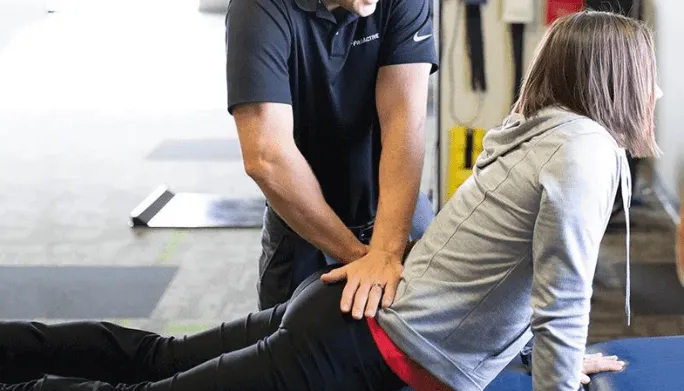
Manual therapy is skilled, hands-on treatment that a trained therapist uses to move your joints and soft tissues in ways your body cannot do alone. When pain, injury, or stiffness locks up your movement, manual therapy breaks the pattern. A therapist's hands are not just applying pressure, they are reading your tissue, feeling where movement is stuck, and gently guiding your body back to freedom. It works because it targets the root of limitation. Tight muscles, restricted joints, and scar tissue all respond to the right hands-on technique applied at the right moment. The results are often immediate. You walk in stiff, and you walk out moving better. Manual therapy pairs powerfully with exercise because once the therapist frees up movement, you can actually use the strength you are building in physical therapy. It also gives your therapist information that no questionnaire or imaging report can capture, because hands-on feedback tells them exactly how your tissue is responding in that moment.
What sets manual therapy apart is the skill and feel of the therapist. It is not a stretch or a massage you could do on your own. It is a precise intervention that requires training, experience, and sensitivity to what your body is telling the therapist's hands in real time. That sensitivity is what allows the treatment to adjust session to session, so the work always matches where your body actually is that day, not where a generic plan assumes it should be. And because we bring that skilled care to your home here in Grand Rapids, you get a full, one-on-one session in a space where you are comfortable, with no clinic to drive to. In Michigan you do not need a referral to begin, and we will help you understand your coverage first.
Who it's for.
Manual therapy is for anyone whose movement is limited by tight joints, restricted muscles, or tissue that will not move the way it should. If you are stiff, sore, or stuck, this is worth trying.
Stiff joints that limit your range
Your shoulder will not reach overhead, your neck turns only partway, or your knee feels locked. Manual therapy mobilizes the joint capsule and frees up movement that exercise alone cannot regain. Once the joint moves the way it is supposed to, strengthening it becomes far easier.
Tight muscles that resist stretching
You stretch every day but get nowhere. That stubborn muscle needs skilled hands to release it. Manual therapy breaks the tension so stretching and strengthening can finally work. Some tissue simply will not respond to a stretch alone, no matter how consistent you are with it.
Recovery from surgery or injury
After surgery or a serious injury, scar tissue and protective muscle guarding lock you down. Manual therapy safely mobilizes the area and tells your body it is safe to move again. This gentle reintroduction to movement is often the turning point in a recovery that has felt stalled.
What to expect in a session.
Manual therapy sessions start with assessment and move into hands-on work. You will feel the difference as movement returns.
Assessment and discussion
Your therapist asks what is limiting you, tests your movement, and feels the tissue. You will understand exactly what is stuck and why before any treatment begins. This groundwork ensures every technique that follows is aimed at the actual source of the problem.
Hands-on mobilization
Using specific techniques, the therapist moves your joint or muscle in ways that release restriction. It should feel firm but not painful. Communication keeps you in control. You can expect your therapist to check in throughout, adjusting pressure and technique based on how your tissue responds.
Active work and follow-up
With movement freed, you move through patterns that reinforce the gains. Simple exercises and home care keep the improvement going long after you leave. This final step is what turns a good session into lasting change instead of a temporary fix.
Wear comfortable clothing that allows movement and lets the therapist reach the area being treated. Mild achiness in the day or two after a session is normal as your body adapts to new movement. Because we come to your home, there is nowhere to drive afterward, and if anything feels off, a quick phone call is all it takes to set your mind at ease. No referral is needed to start in Michigan.
Another PT forcibly worked on my shoulder and made it worse. Liz came to my house and worked gently, waking up muscles I had not used and strengthening others. My pain gradually became less. Thanks Liz!
Where to go next.
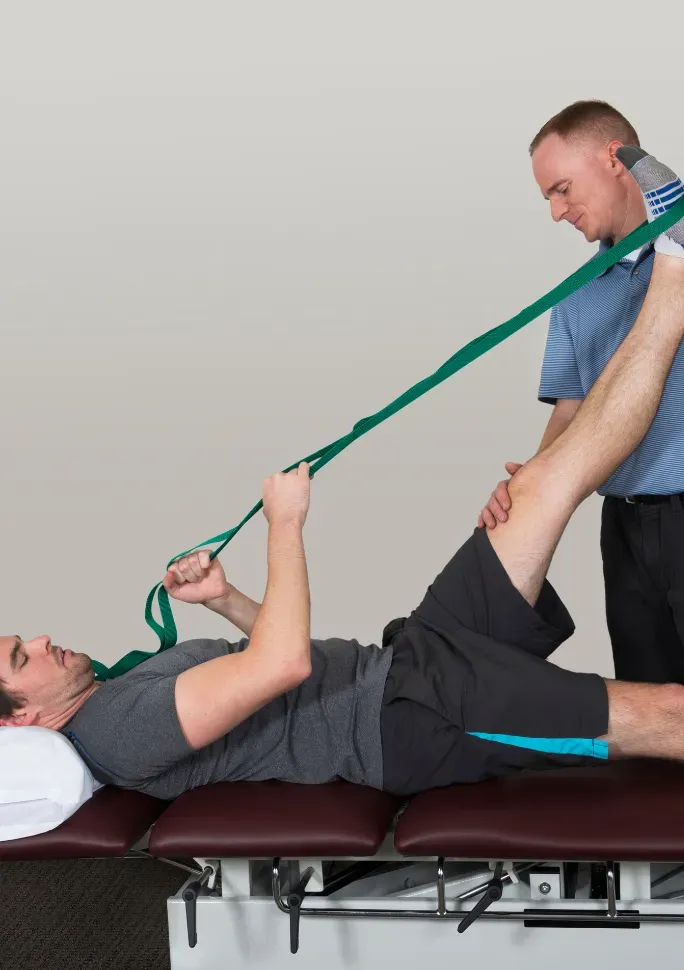

Physical Therapy
Real, one-on-one care that treats the cause of your pain and gets you back to moving.
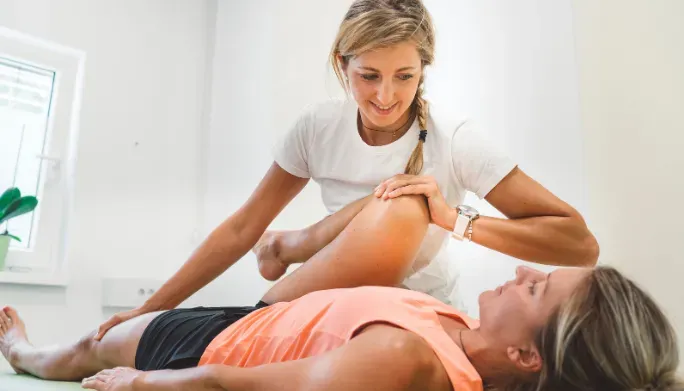
Manual Therapy
Skilled hands-on techniques to release restrictions and restore movement where you need it most.
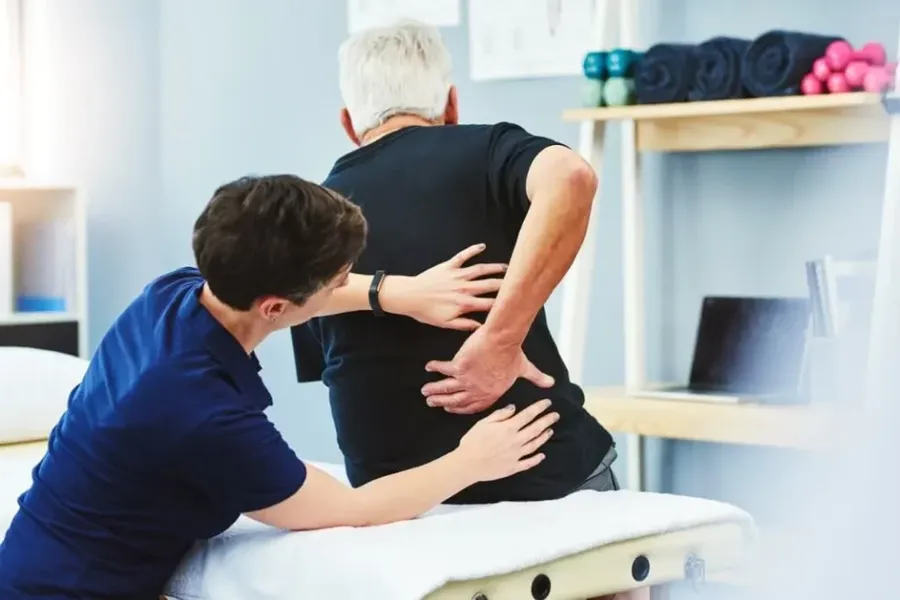
Back Pain & Sciatica
The most common reason people find us. We treat the cause, not the symptom.