Balance & Gait Disorder Therapy in Grand Rapids
Losing your balance is frightening. But fear of falling makes it worse. When your balance improves, your confidence returns, and so does your independence.
What causes balance and gait disorders?
Balance and gait are controlled by three systems working together: your inner ear and vestibular system, your legs and strength, and your vision and proprioception. When any one breaks down, your balance falls apart. The good news is that most balance disorders respond well to targeted physical therapy that retrains these systems.
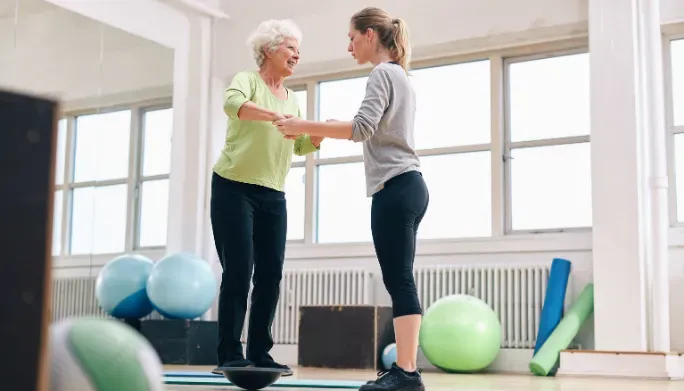
Your inner ear senses head movement and position. When it is inflamed or damaged, your brain gets wrong information about which way is up. This causes dizziness and balance loss. Some cases settle on their own. Others need guided retraining from a therapist who understands the vestibular system.
Your legs and hips are the foundation of balance. Weak quads, glutes, or ankles cannot hold you upright when balance is challenged. Gravity and momentum push you over. Rebuilding strength in the legs is one of the most direct fixes for balance loss.
Your feet and legs tell your brain where you are in space through sensation. When diabetes, age, or nerve damage numbs your feet, that signal breaks. You rely on vision and vestibular input instead, which leaves you unsteady in the dark or on uneven ground. Strengthening and proprioceptive training help compensate.
A stroke or other neurological event can damage the parts of the brain that control balance and walking. Recovery is possible, but it requires retraining. Physical therapy teaches the nervous system new pathways for balance and gait, one step at a time.
One fall creates fear. Fear makes you avoid movement. Avoiding movement makes you weaker. Weaker people fall again. This cycle spirals quickly. Breaking it means rebuilding strength and balance while gradually returning to the activities that make you feel secure.
Some medications list dizziness and balance changes among their side effects. If you cannot change the medication, you can adapt. Physical therapy teaches compensation strategies and rebuilds the parts of your system that can still work.
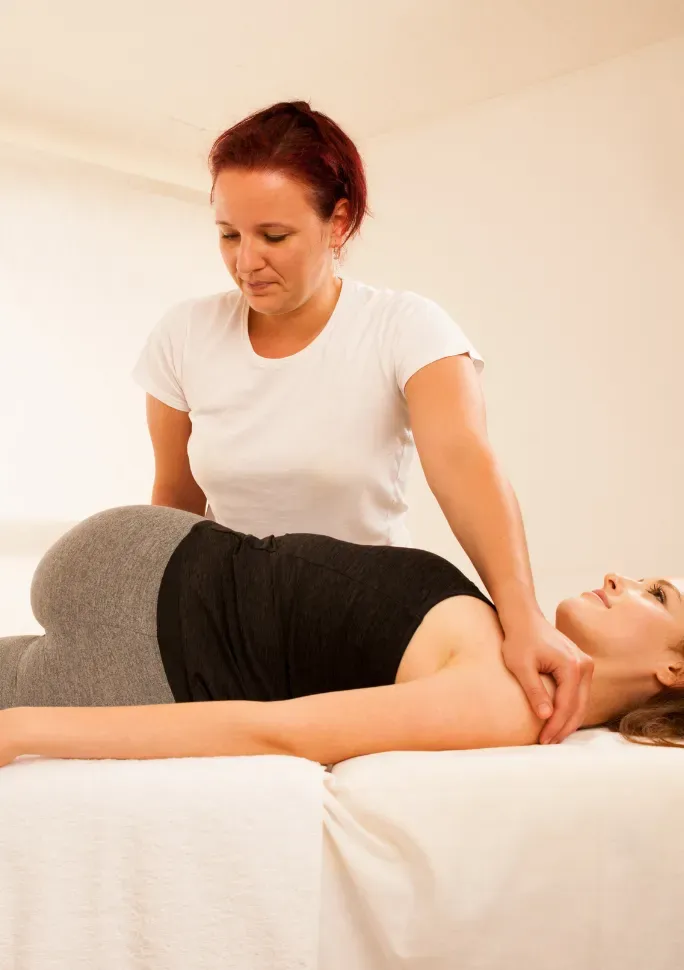
How physical therapy in Grand Rapids helps.
Balance rehab is about retraining your nervous system, and where you retrain it matters. We start with an assessment that identifies exactly which system is struggling: vestibular, strength, proprioception, or fear. Then we build a plan that retrains that specific system through progressive, challenge-based exercises. Here is the in-home advantage that no clinic can match: we treat you in the actual home where you live and move. We walk your hallways, your stairs, and your bathroom with you, and we spot the hazards that cause most falls, loose rugs, raised thresholds, cluttered walkways, and poor lighting. We do not just strengthen your legs, we make your real environment safer and train you to move through it with confidence. You do not need a referral to start, because Michigan is a direct-access state. We come to you, and we help you understand your coverage before we begin, with honest timelines and no surprises. The result is fewer falls, more confidence, and a return to the independence you want to keep.
What to expect from your recovery.
Home assessment and hazard check
We test your balance, gait, strength, and vestibular function, and we walk through your home to flag fall hazards like loose rugs, thresholds, and poor lighting. Then we build exercises starting at a level where you can succeed without fear.
Progressive strengthening and retraining
We rebuild the muscles and neural pathways that control balance. Each week the exercises get harder, more complex, and closer to real-world situations. You practice the exact movements that challenge you.
Return to confidence and independence
As balance improves, fear fades. You return to walking without holding on, navigating uneven ground, and living without worrying about falling. Independence is the measure of success.
My 99-year-old mother-in-law had a huge fall and we feared she'd be wheelchair bound. Thanks to Helen, she is standing and walking again. You are never too old to keep moving.
Pain rarely travels alone.
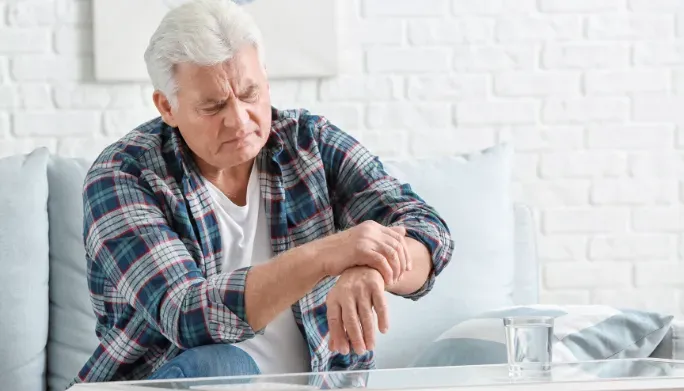

Parkinson's Disease
Parkinson's brings unsteadiness, freezing, and fall risk. We retrain confident movement at home.
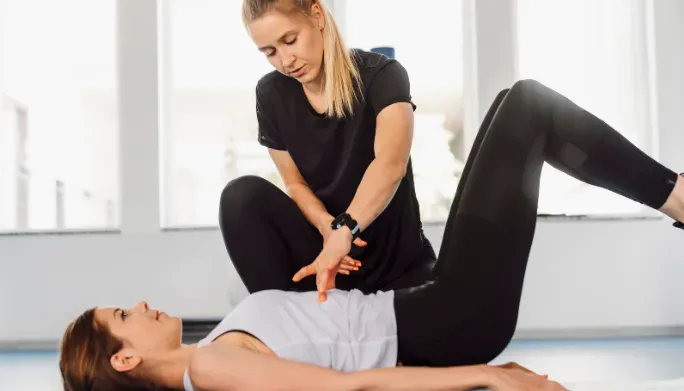
Hip & Knee Pain
Weak or painful hips and knees make you unsteady. We rebuild the strength that holds you up.
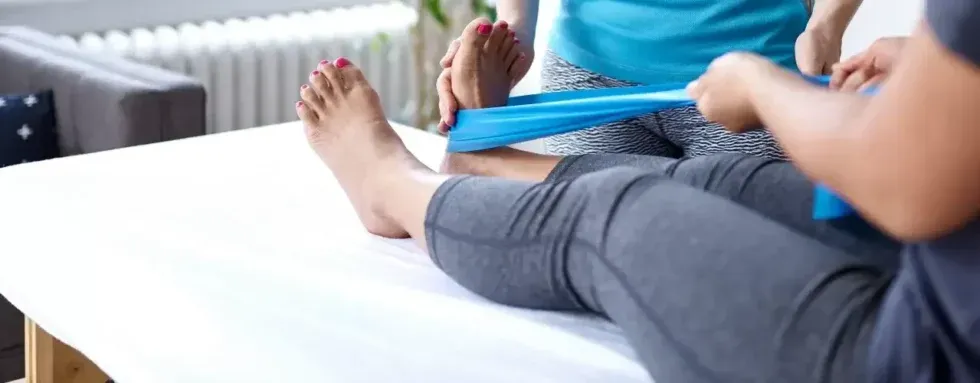
Foot & Ankle Pain
Weak or painful feet are the foundation of balance problems. We rebuild from the ground up.