Parkinson's Therapy in Grand Rapids
Parkinson's changes how you move. It does not have to take your independence. Big, deliberate, frequent movement is one of the most powerful tools you have, and we bring it right to your living room.
What causes Parkinson's symptoms?
Parkinson's is a progressive neurological condition. At its root, the brain slowly loses the cells that make dopamine, the chemical that helps movement stay smooth and automatic. That single change ripples out into stiffness, slowness, small steps, and trouble with balance. Therapy does not cure Parkinson's. What it does is powerful: it helps you manage the symptoms, keep moving well, and hold onto your independence for longer. The key is doing the right movement, done big, and done consistently.
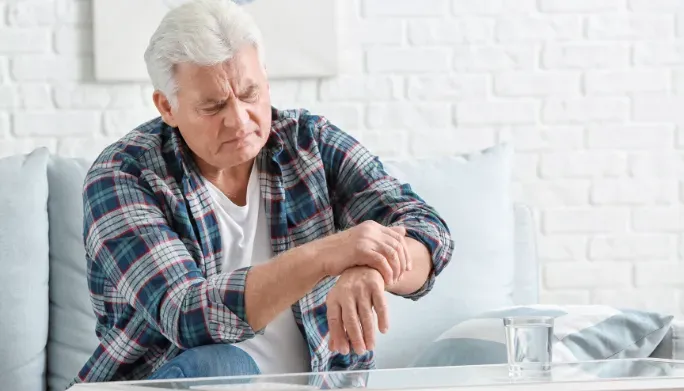
This is the underlying disease. As the brain makes less dopamine, movement stops being automatic and starts taking real effort. We cannot replace those cells, but movement is medicine for the brain. Intensive, repetitive, high-amplitude exercise helps the nervous system stay as efficient as it can, which is exactly what approaches like LSVT BIG and PWR!Moves are built to do.
Muscles in Parkinson's can stay tight and resistant, which makes turning, reaching, and even rolling over in bed feel like a fight. Stretching, hands-on work, and daily range-of-motion practice keep the joints loose and the muscles working through their full length so movement costs you less energy.
Bradykinesia means your movements get slower and smaller without you meaning them to. Buttons, utensils, and standing up all take longer. Therapy trains you to move with intention and full size again, using cues and repetition so your body relearns what "big and normal" feels like.
Parkinson's affects the reflexes that keep you upright, so a small stumble can turn into a fall. This is one of the biggest risks to your independence. We train balance, posture, and recovery strategies in the real spaces where you lose your footing, from your hallway to your bathroom.
Freezing is that sudden feeling that your feet are glued to the floor, and it happens most in doorways, at thresholds, and while turning in tight spaces. Because we treat you in your own home, we practice at the exact doorways and turns where freezing hits, and we teach cueing tricks that get you moving again safely.
Parkinson's shrinks everything: shorter steps, less arm swing, smaller handwriting, and a softer voice. The problem is that small feels normal even when others notice it. Amplitude-based training recalibrates your sense of effort so your steps, reach, and movements get back to full size.
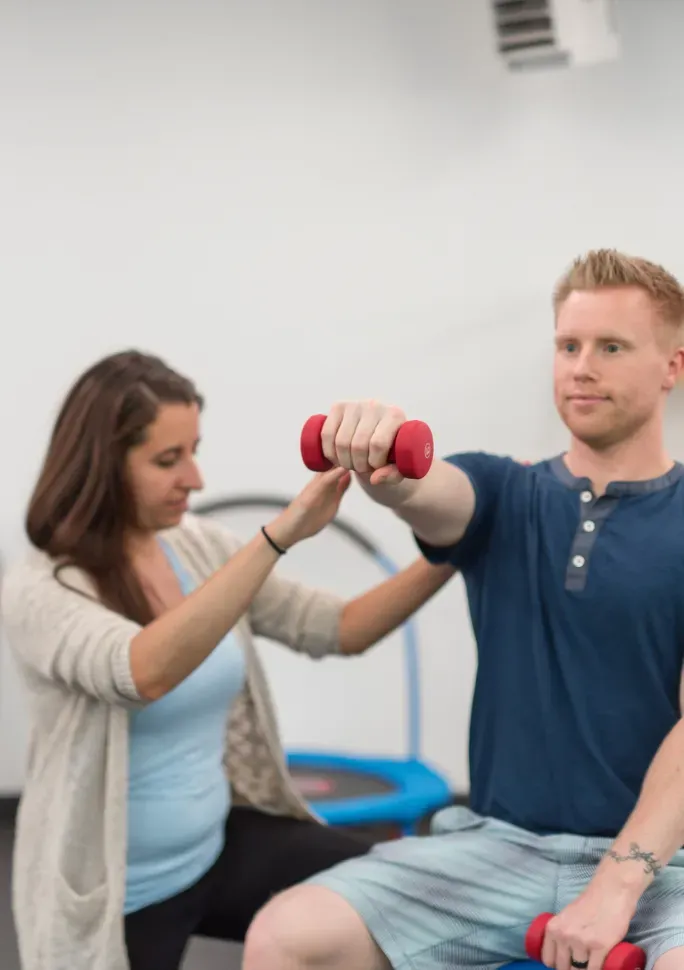
How physical therapy in Grand Rapids helps.
Managing Parkinson's is not about slowing down and taking it easy. It is the opposite. The research is clear that intensive, high-amplitude movement helps you fight the slowness and smallness the disease brings. Your therapist uses amplitude-based approaches like LSVT BIG and PWR!Moves to retrain big, confident movement, then layers in balance, strength, and gait work so walking and turning feel safer. Here is what makes in-home care different. We treat you in the actual home where you live and move: your stairs, your kitchen, the tight bathroom, and the doorway thresholds where freezing happens. We practice the real turns and transfers that trip you up, not a version of them in a gym. You do not need a referral to start, because Michigan is a direct-access state, we come to you, and we will help you understand your coverage before we begin so there are no surprises. Symptoms are managed, not cured, and consistency is what keeps you moving. We will be honest with you about that every step of the way.
What to expect from your recovery.
Home evaluation and movement assessment
Your therapist comes to you and looks at how you actually live: how you walk your hallways, rise from your chair, and move through your doorways. We assess rigidity, slowness, balance, and where freezing happens, then set clear, honest goals together.
Amplitude training and balance work
Using LSVT BIG and PWR!Moves principles, we retrain big, confident movement and practice the turns, steps, and transfers that challenge you. Everything is rehearsed in your real environment, so it carries over the moment we leave.
Consistency and long-term independence
Parkinson's is progressive, so the work continues. We build a routine you can keep up between visits and coach the people who help you at home. The goal is simple: keep you moving well and independent for as long as possible.
My dad, who has Parkinson's, had therapy with Jenna and Liz. They were kind yet firm, always spoke directly to him, and gave him a variety of exercises. A blessing to have therapists come to the house.
Pain rarely travels alone.
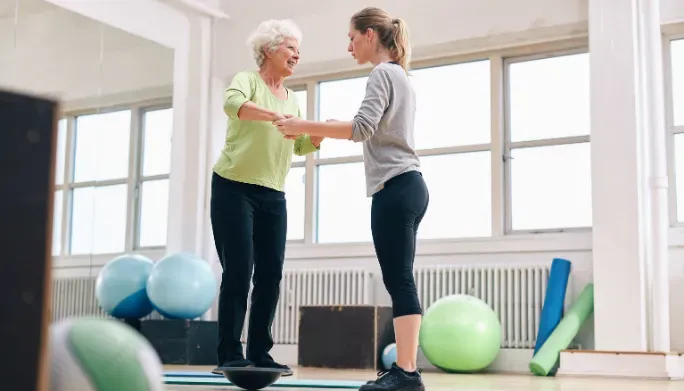

Balance & Gait Disorders
Parkinson's often brings unsteadiness and fall risk. We retrain balance in your own home.
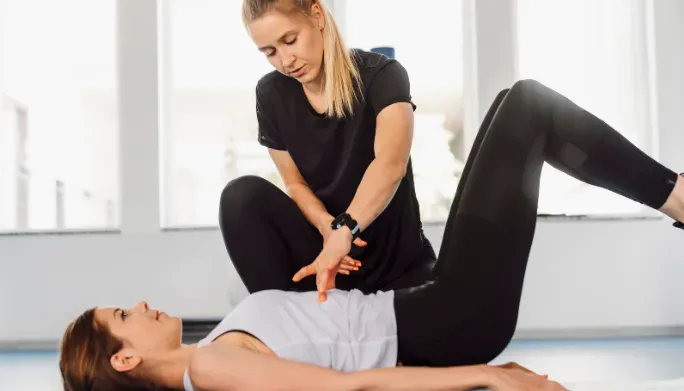
Hip & Knee Pain
Stiffness and small steps put strain on your joints. We ease pain and keep you moving.
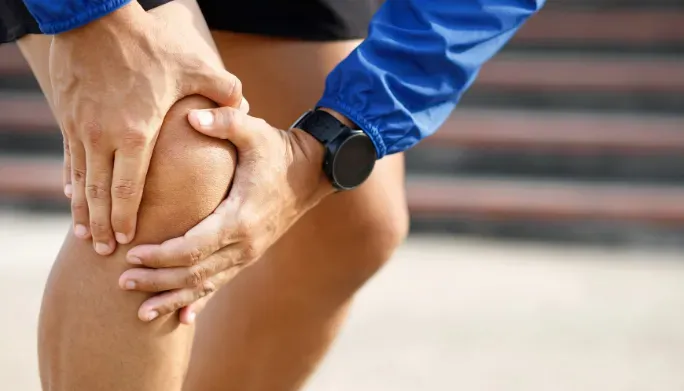
Joint Pain
Rigidity can leave joints stiff and sore. We restore range of motion and comfort.