When something aches or you are worn out, the advice is almost always the same: “just rest.” Sometimes that is exactly right. But often, too much rest is the very thing keeping you stuck — so is rest good for fatigue? Not always.
The problem with too much rest
● Muscles weaken quickly when they are not used — sometimes within days.
● Joints get stiffer, making movement feel worse, not better.
● Stamina fades, so the next attempt at activity feels even harder.
● Confidence erodes, and fear of movement creeps in.
The result is a downward spiral: rest leads to weakness, weakness leads to more fatigue, and more fatigue leads to more rest.
The better answer: the right kind of movement
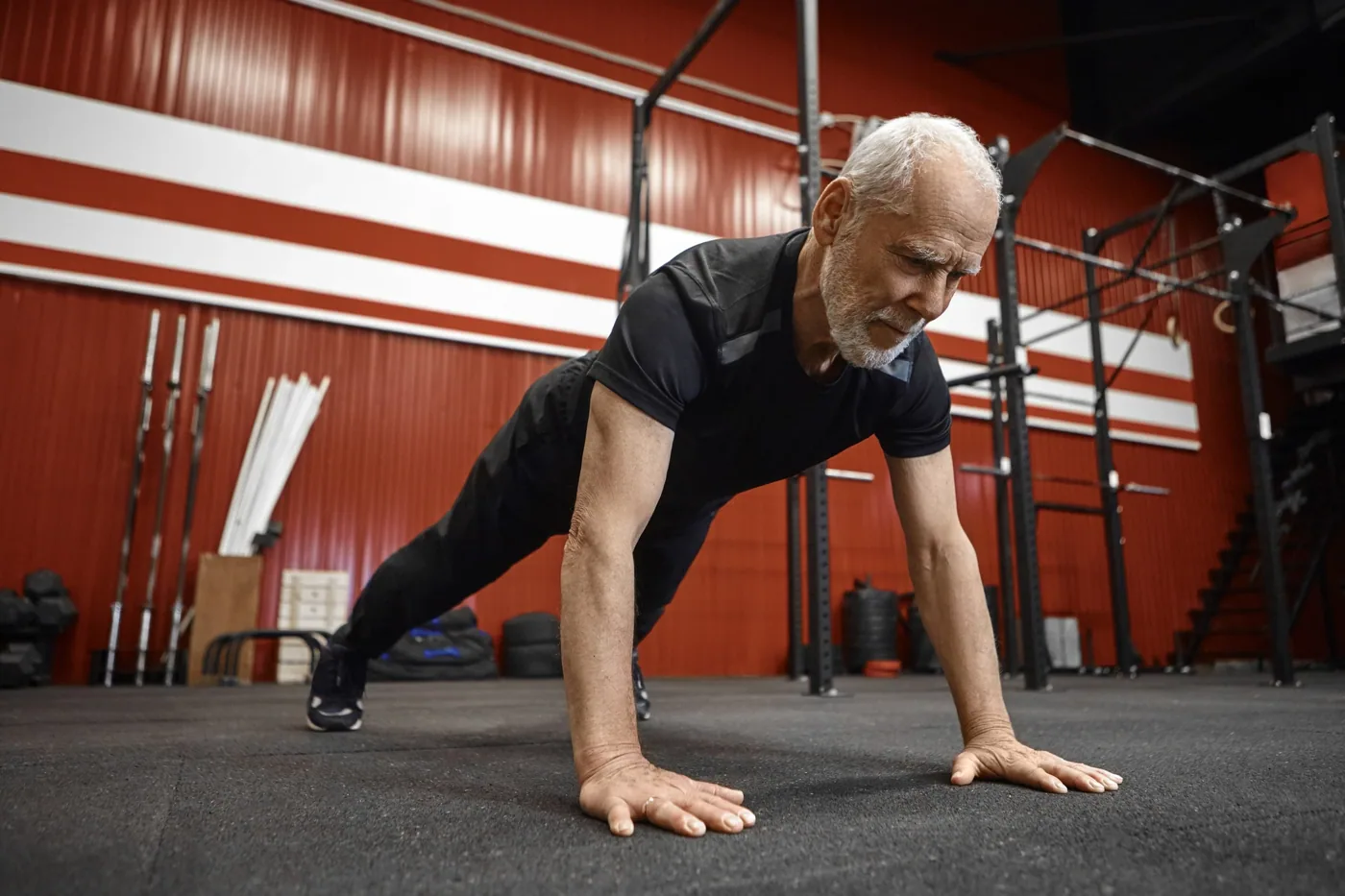
The opposite of “push through the pain” is not “do nothing.” It is appropriate movement — gentle, guided, and matched to what your body can handle that day. For most aches and most fatigue, the path back to feeling good runs through movement, not away from it. There are times when rest truly is the right call, and knowing the difference is exactly the judgment a physical therapist can help you make.
Frequently asked questions
Is it better to rest or move when you’re tired or sore?
For most everyday fatigue and aches, gentle guided movement helps more than complete rest, which can lead to weakness and stiffness.
When is rest actually necessary?
After an acute injury, illness, or when you notice warning signs of overexertion — a PT can help you tell the difference.
Been told to “just rest” and it isn’t working? Let’s talk — book a free 15-minute call with Jenna.Written by Jenna Smith, DPT, GCS — a licensed Michigan physical therapist and board-certified geriatric clinical specialist, owner of Vitality at Home, serving Grand Rapids & West Michigan.