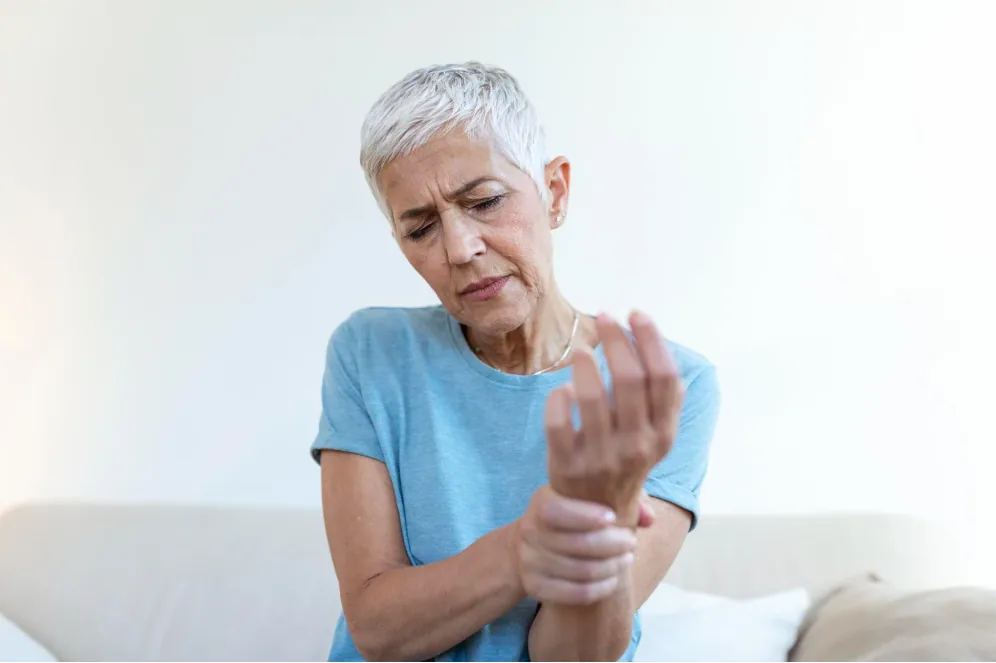
“You have arthritis.”
For many people, those three words sound like a life sentence.
They may be followed by an X-ray explanation, a comment about “wear and tear,” or the suggestion that pain is simply something you should expect as you get older.
So you start protecting the joint.
You walk less. Stop squatting. Give up pickleball. Skip the stairs. Avoid the golf course. Ask someone else to get down on the floor with the grandkids.
It feels logical: if movement hurts, move less.
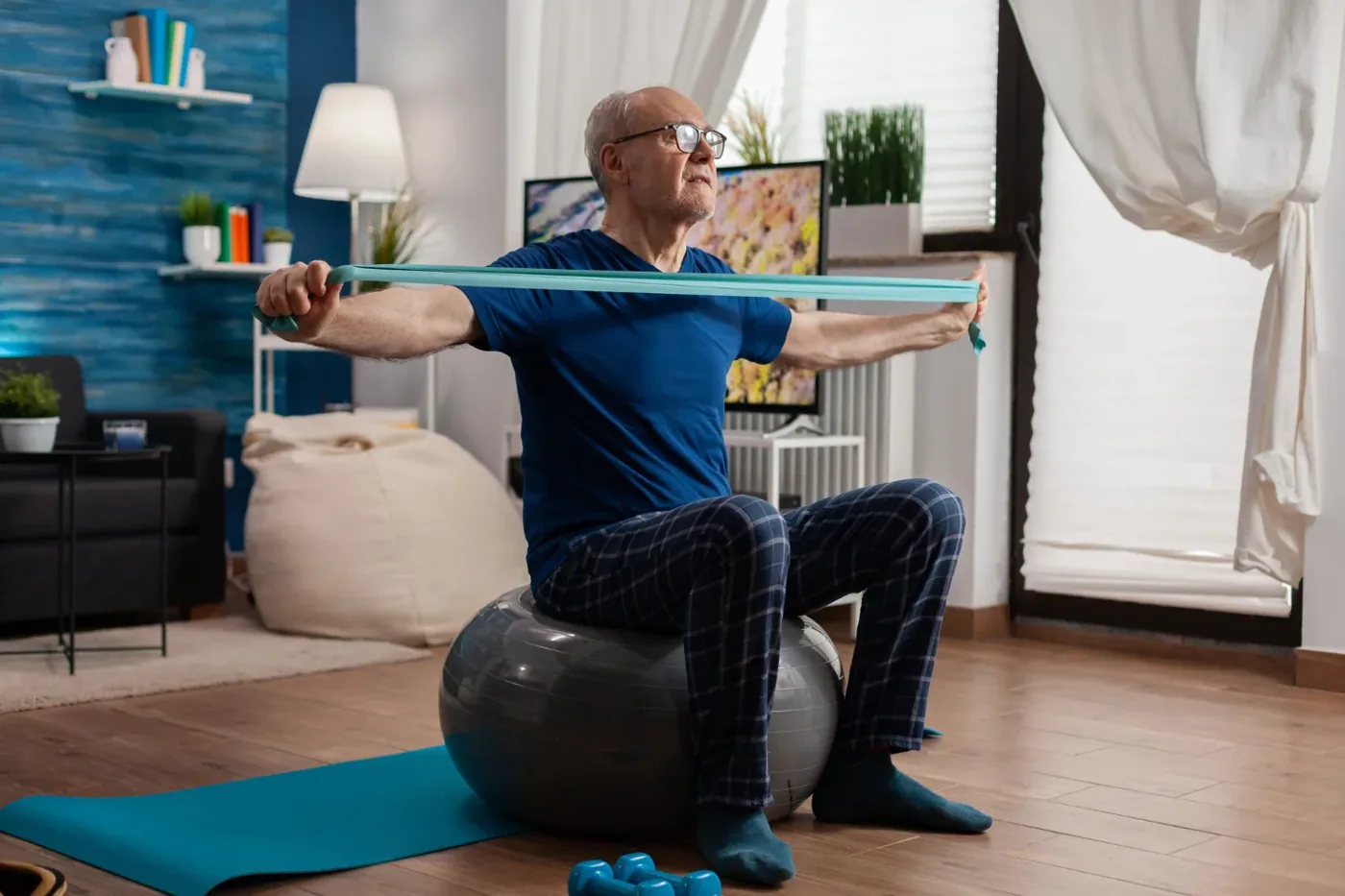
But for many people with arthritis, the better long-term strategy is not avoiding movement. It is learning how to move, strengthen, and load the body appropriately.
Arthritis Does Not Automatically Equal Disability
Arthritis can affect joints throughout the body and can contribute to pain, stiffness, swelling, and reduced mobility.
But an image of a joint does not tell us everything about what you can do.
Two people can have similar findings on imaging and very different experiences with pain and function. That is one reason physical therapy focuses not only on the diagnosis, but on the person.
How strong are you?
How well does the joint move?
How do you walk?
What happens when you climb stairs?
What activities trigger symptoms?
What have you stopped doing?
And what do you want to get back to?
Those questions matter.
Why Movement Can Be Helpful
When a joint hurts, complete rest can be tempting. Short periods of modifying activity may sometimes be appropriate, but consistently doing less can lead to reduced muscle strength, endurance, mobility, and confidence.
Strong muscles help support the joints.
Regular movement can help maintain mobility and function.
And appropriately dosed exercise can give you a way to build your body’s capacity rather than continually shrinking your activity around your symptoms.
The important phrase is appropriately dosed.
More is not always better. Neither is less.
The goal is finding the amount and type of movement your body can tolerate and then progressing from there.
What Does Physical Therapy for Arthritis Look Like?
There is no single “arthritis program.”
A physical therapist evaluates what is contributing to your individual limitations and creates a plan around your goals.
Treatment may include:
- Strength training
- Mobility and flexibility work
- Balance training
- Walking or gait training
- Activity modification
- Education about pain and symptom management
- Strategies for stairs, squatting, lifting, or getting off the floor
- A progressive home exercise program
Sometimes we also need to look beyond the painful joint.
For example, knee pain may be influenced by hip strength, ankle mobility, walking mechanics, or the way you load the leg during stairs.
That is why individualized assessment matters.
“But It Hurts When I Exercise.”
This is where many people become stuck.
They try an exercise. It hurts. They assume exercise is damaging the joint and stop.
Pain during or after activity does not always mean harm is occurring, but it does give us information. A physical therapist can help you understand your symptoms and adjust variables such as resistance, range of motion, repetitions, speed, recovery time, or exercise selection.
The goal is not to ignore pain.
It is to learn how to work with your body instead of becoming afraid of it.
Your Goal Is Bigger Than a Pain Score
If we ask you what you want from physical therapy, “make my knee a 0/10” may not actually be the most meaningful answer.
Maybe what you really want is to walk around Mackinac Island.
Play nine holes without your hip bothering you.
Travel through Europe.
Keep up at your exercise class.
Garden for an afternoon.
Go up and down the stairs without thinking about every step.
Get on the floor and play with your grandchildren.
That is where we want to aim.
What If Joint Replacement Is in My Future?
Physical therapy can still play an important role.
Building strength, mobility, and endurance before surgery can help you enter the process with greater physical capacity. After surgery, rehabilitation focuses on restoring motion, strength, walking, and function.
And not everyone with arthritis is immediately headed toward surgery. Your medical team can help you understand the options appropriate for your individual situation.
Do Not Let an X-Ray Decide What Your Life Looks Like
An arthritis diagnosis is useful information.
It is not an instruction to stop moving.
If pain or stiffness has started changing your activities, physical therapy can help you understand what your body can tolerate, build strength, and create a plan for staying active.
Arthritis Physical Therapy in Grand Rapids, Michigan
Vitality At Home provides one-on-one mobile outpatient physical therapy for adults throughout Grand Rapids and surrounding communities. We specialize in helping adults 55+ stay active, independent, and engaged in the things they love.
We can work on the exact activities that matter to you—whether that is stairs in your home, getting on and off the floor, walking outside, golf, travel, gardening, or simply feeling stronger in your everyday life.
Ready to Keep Moving?
Call Vitality At Home at 616-644-9155 to schedule a physical therapy evaluation.
Arthritis may be part of your story. It does not have to write the ending.