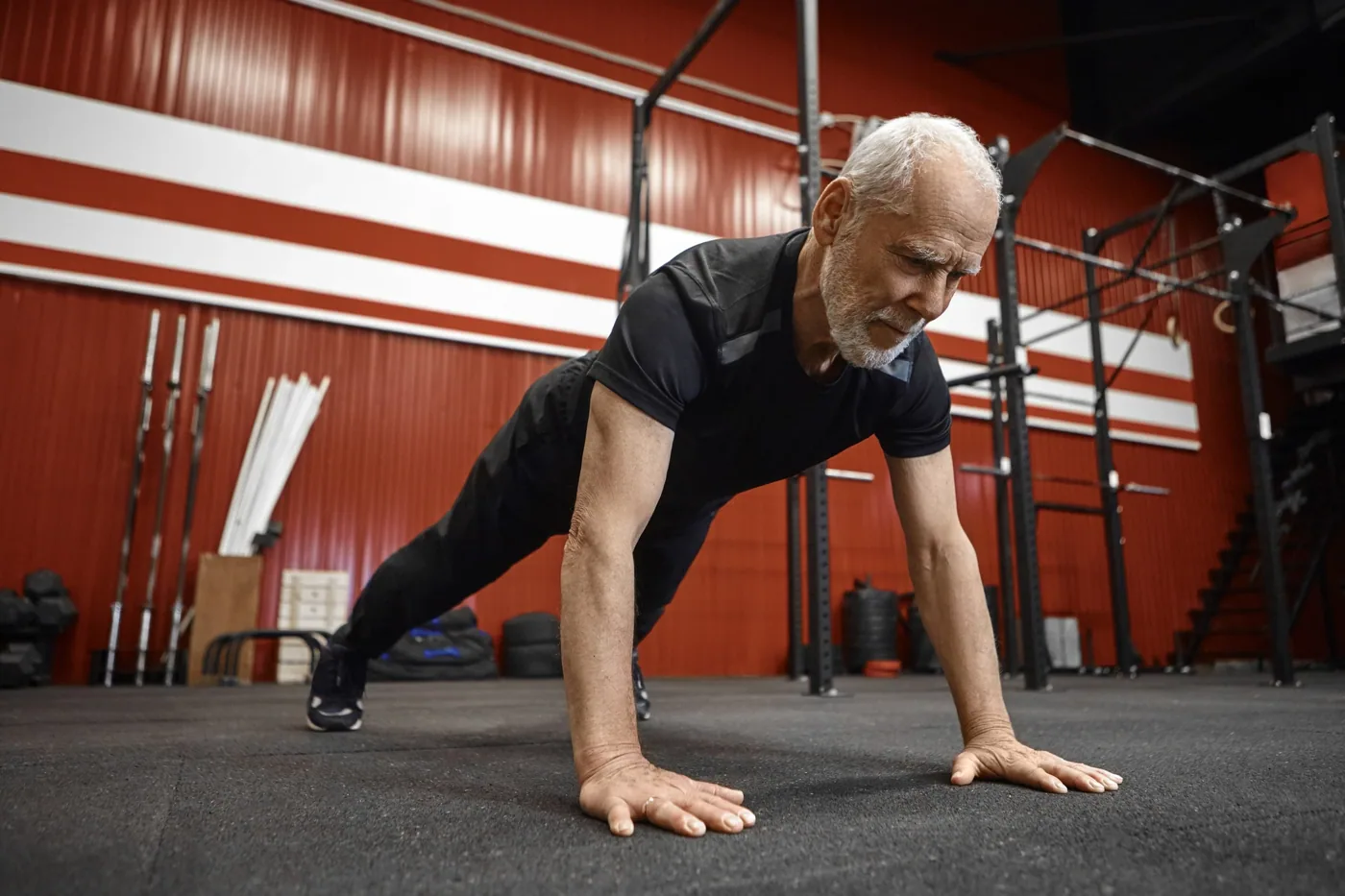
Staying active is one of the best things you can do for your body — but there is a line between healthy effort and overdoing it, and crossing it can turn weeks of progress into a setback. The good news: your body gives you signs of overexertion before you crash, if you know what to look for.
“Good tired” vs. “uh-oh tired”
Good tired is the satisfied fatigue after a walk or workout. It fades with a night’s sleep and leaves you feeling accomplished. Uh-oh tired is worth respecting:
● Fatigue that lingers into the next day or two.
● Soreness that is sharp, one-sided, or worsening, rather than a general ache.
● Feeling shaky, dizzy, or unusually weak during or after activity.
● Sleep that gets worse, not better, after exercise.
● Dreading your next session instead of feeling ready for it.
What to do
If you notice these signs, it is not a reason to quit — it is a signal to adjust. Scale back the intensity, add a recovery day, and listen to what your body is telling you. Catching overexertion early keeps you moving forward instead of starting over.
Frequently asked questions
What are the warning signs of overexertion?
Lingering fatigue, sharp or worsening soreness, feeling shaky or dizzy, worse sleep after exercise, and dreading your next session.
How much exercise is too much for seniors?
It varies by person. The right amount challenges you without leaving you wiped out for days — a PT can help you find and safely push your limit.
Want a plan that challenges you without setting you back? Book a free 15-minute call with Jenna.Written by Jenna Smith, DPT, GCS — a licensed Michigan physical therapist and board-certified geriatric clinical specialist, owner of Vitality at Home, serving Grand Rapids & West Michigan.