In June, movement can happen almost accidentally.
You walk after dinner because it is still light outside. You garden. You attend outdoor events. You spend weekends at the lake. You take longer walks because the weather invites you out.
Then September arrives.
Daylight starts disappearing, temperatures cool, and before long a 7:00 p.m. walk feels very different.
If you are not intentional, your activity level can shrink right along with the daylight.
First, Notice What Summer Was Giving You
Before creating a brand-new fall fitness plan, think about the movement you are losing.
Were you walking after dinner four nights a week?
Gardening several hours each weekend?
Walking golf courses?
Traveling?
Playing outside with grandchildren?
Those activities count. If they disappear, you may need to replace some of that movement deliberately.
Move Your Walk Earlier
If darkness is the main barrier, change the timing before you abandon the habit.
A lunchtime walk, morning walk, or short loop before dinner may work better in fall.
You can also split a longer walk into shorter bouts throughout the day. Consistency matters more than protecting one specific time slot.
Build an Indoor Backup
West Michigan weather will eventually win a few rounds.
Have a Plan B before you need it.
Walk at a mall or large store. Use a treadmill if you have access to one. Attend an exercise class. Walk the hallways in your building. Use stairs intentionally. Create a simple home circuit.
Your backup plan does not need to be exciting. It needs to exist.
Keep Strength Training on the Calendar
Walking is excellent, but it does not replace strength training.
Your muscles need resistance to stay strong enough for stairs, chairs, carrying, traveling, and recovering from unexpected losses of balance.
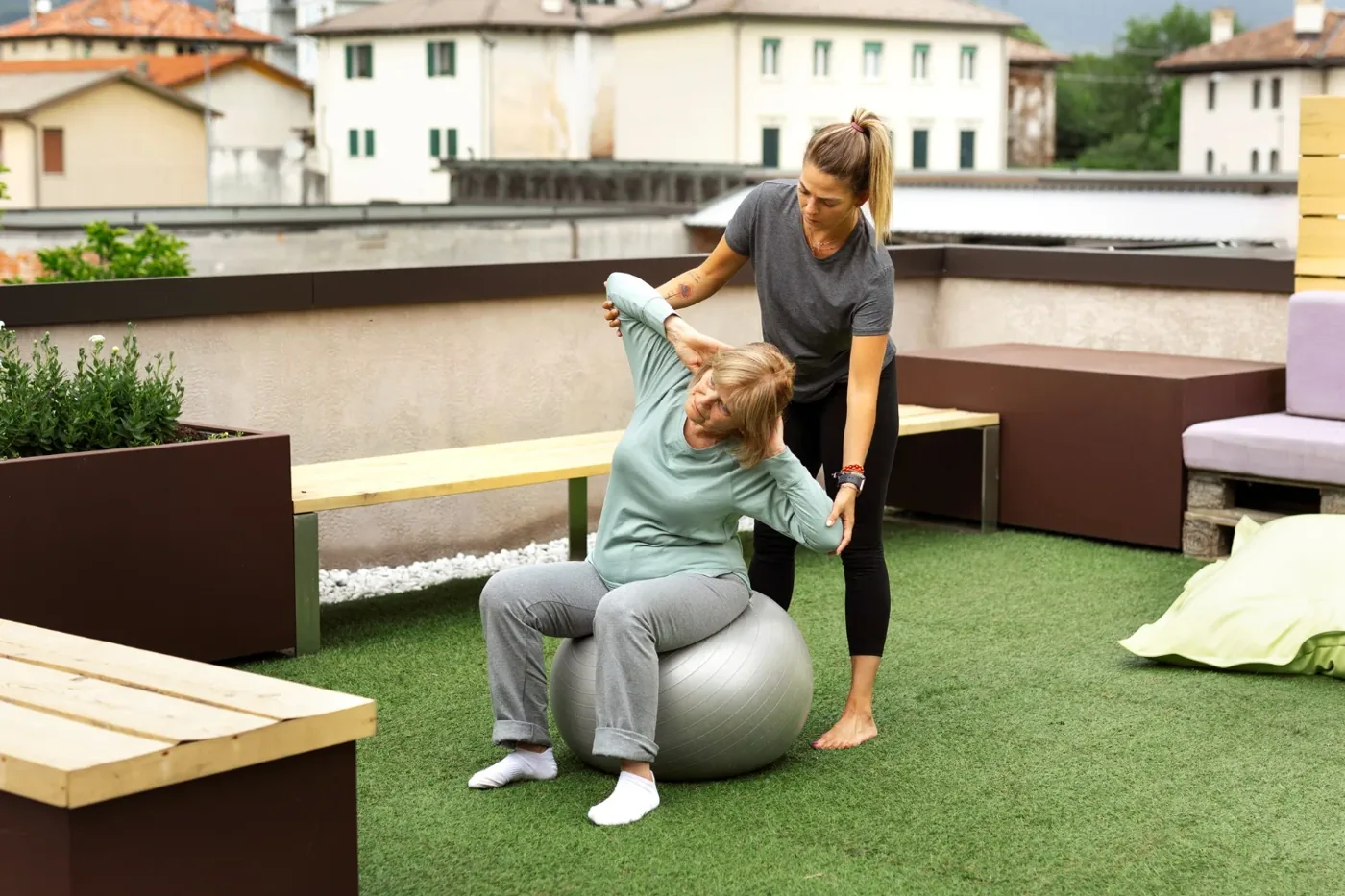
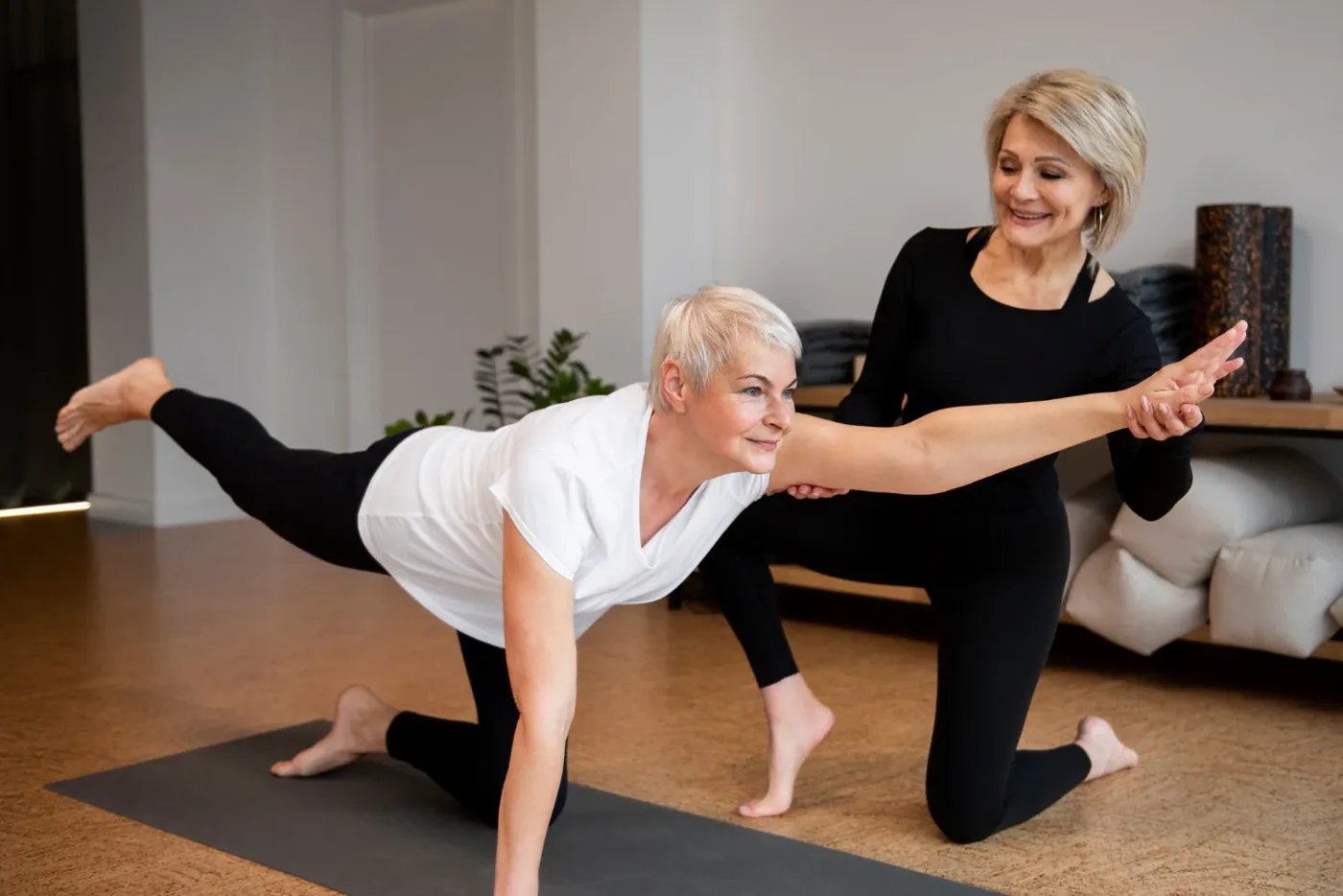
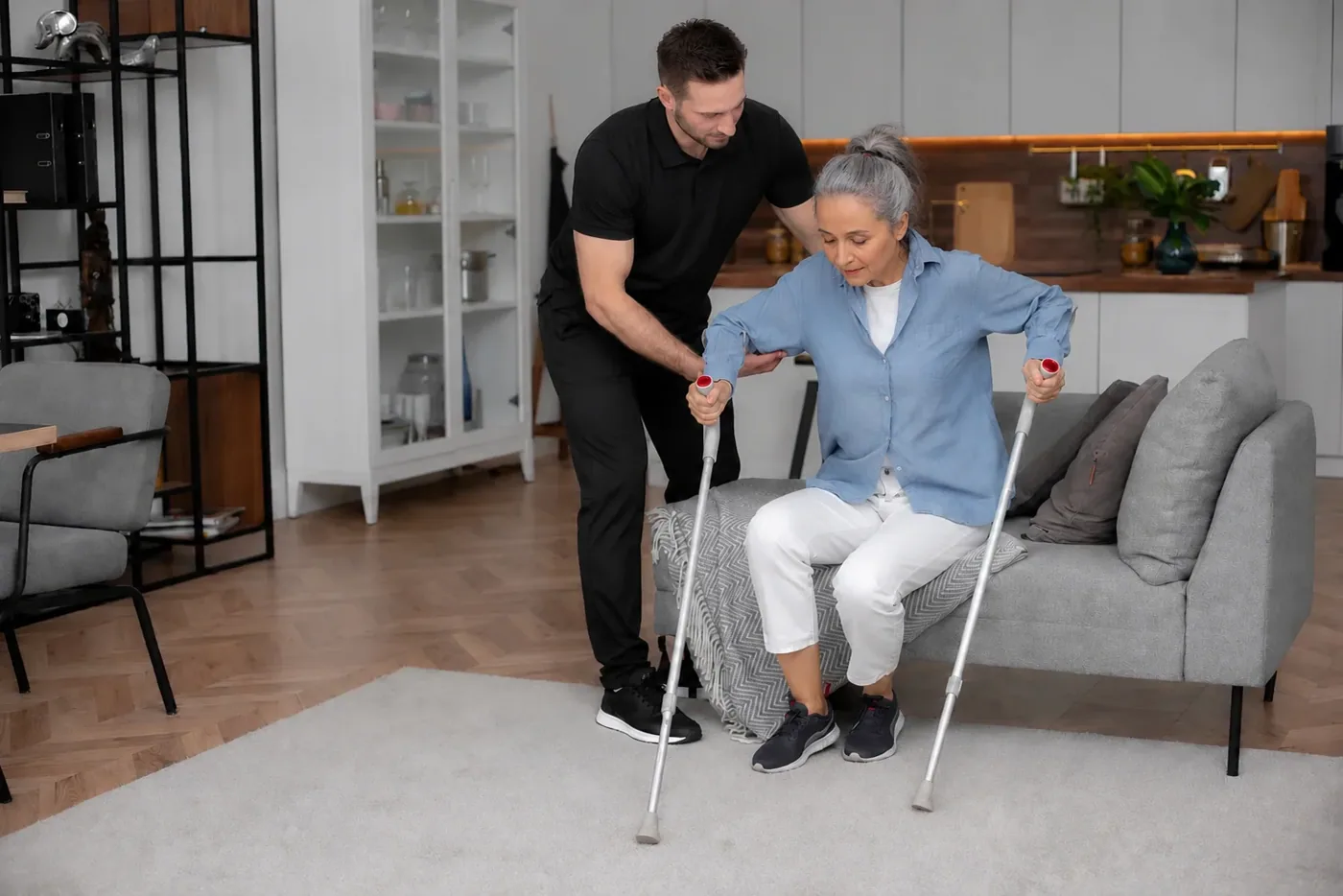
Aim for a consistent strengthening routine appropriate for your current ability. If you are unsure where to start, a physical therapist or qualified fitness professional can help you choose exercises and an appropriate level of challenge.
Add Movement to Things You Already Do
Fall routines often become busier, so attach movement to habits already on your calendar.
Walk while a grandchild is at practice.
Take a lap before grocery shopping.
Do a few sit-to-stands before lunch.
Practice balance near the kitchen counter while coffee brews.
Take the stairs when appropriate.
Small opportunities add up.
Do Not Wait for Motivation
The darker, colder months do not always make us feel eager to exercise.
That is normal.
Routines are more reliable than motivation. Decide when and where movement will happen, put it on your calendar, and make the starting point small enough that it is difficult to talk yourself out of it.
Give Yourself Something to Train For
Movement is easier to maintain when it connects to something meaningful.
Maybe you want to be ready for a winter trip.
Maybe you want enough stamina to shop with your daughter.
Maybe you want to keep up on a spring vacation.
Maybe you want to get on the floor with your grandkids at Christmas—and get back up.
Train for your life.
Shorter Days Do Not Have to Mean a Smaller Life
Seasonal changes are real, especially here in Michigan. But your movement routine can change with the season instead of disappearing because of it.
At Vitality At Home, we help adults 55+ throughout Greater Grand Rapids build realistic strength, balance, and endurance programs around the activities that matter to them.
If you want help creating a plan that keeps you active through fall and winter, call 616-644-9155 to learn more about our in-home physical therapy and wellness services.
The days may be getting shorter. Your goals do not have to.